 Librería Samer Atenea
 Kálamo Books
 Librería Elías (Asturias)
 Librería Kolima (Madrid)
 Librería Proteo (Málaga)
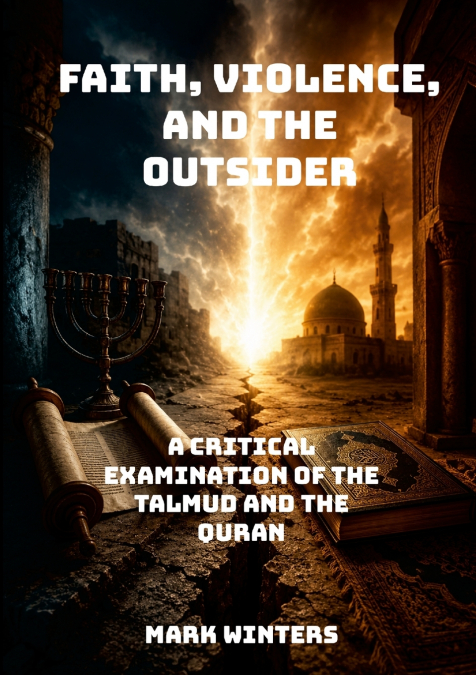
Why do the same sacred texts inspire devotion in some readers-and outrage in others?Few writings in history have been studied as intensely, revered as deeply, or debated as fiercely as the Talmud and the Quran. For believers, they are foundations of law, identity, and divine guidance. For critics, they are often cited in modern disputes about violence, morality, religious exclusivity, and the treatment of outsiders.Faith, Violence, and the Outsider asks a question that sits at the centre of these conflicts:Are these controversies rooted in the texts themselves-or in how they are read?This book takes a direct look at the passages most often cited in public debate, from discussions of non-believers and legal inequality to warfare, punishment, and the boundaries of religious community. But rather than isolating verses or drawing quick conclusions, it places them back into their legal, historical, and interpretive frameworks.What emerges is not a simple answer, but a deeper problem: the same passages that appear clear in modern debates often shift meaning entirely when read through classical commentary or scholarly tradition.Drawing on primary sources, rabbinic and Islamic legal traditions, and contemporary academic research, this book exposes the gap between text, interpretation, and modern perception-and why that gap refuses to close.Whether these scriptures are best understood as timeless moral law or historically situated legal systems remains one of the most contested questions in religious studies.And it is far from settled.