Exploiting Linkages for Building Technological Capabilities

Exploiting Linkages for Building Technological Capabilities

Mai Fujita

48,56 €
IVA incluido
Disponible
Editorial:
Springer Nature B.V.
Año de edición:
2014
Materia
Economía del desarrollo y economías emergentes
ISBN:
9784431547716
48,56 €
IVA incluido
Disponible

Selecciona una librería:

  • Librería Samer Atenea
  • Librería Aciertas (Toledo)
  • Kálamo Books
  • Librería Perelló (Valencia)
  • Librería Elías (Asturias)
  • Donde los libros
  • Librería Kolima (Madrid)
  • Librería Proteo (Málaga)

One of the key ingredients of success in building internationally competitive industries lies in amassing a sizeable pool of competent suppliers of parts, components and accessories. This monograph examines how in developing countries suppliers of mechanical components at the low end of the technological trajectory build up key capabilities over time. The focus is on Vietnam’s motorcycle industry, which was rapidly transformed from a small, highly protected market to the world’s fourth largest motorcycle producer. This rare success resulted from intense competition between leading Japanese motorcycle manufacturers and local Vietnamese assemblers of imported Chinese components both attempting to gain supremacy in the emerging market.In particular, the book analyzes how local Vietnamese suppliers of motorcycle components exploited participation in contrasting types of value chains developed by the two groups of leading manufacturing firms, referred to here as Japanese and/or Vietnamese-Chinese chains, for accumulating strategic know-how. On the basis of historical evidence and recent empirical data collected through repeated rounds of in-depth fieldwork the analysis finds first, those suppliers’ learning trajectories evolved over time resulting in a divergence in learning performance extending across suppliers in later phases of industrial development. In the later stage, high-performing suppliers amassed basic innovative expertise, constituting the bedrock of this fast-growing industry. Second, the analysis finds that the diverging performance can be explained by the combination of roles played by lead firms in inducing and facilitating supplier learning and those of suppliers in mobilizing their own sources of knowledge. These conclusions not only provide dynamic, insightful accounts of supplier learning in developing country contexts but also make key theoretical and methodological contributions to the research on value chain participationand supplier learning.

Artículos relacionados

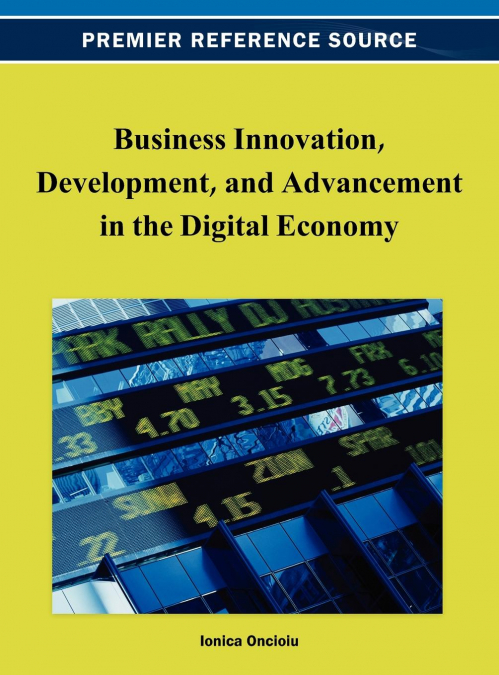
  • Business Innovation, Development, and Advancement in the Digital Economy
    Oncioiu
    Digital technologies maintain an important tool in today’s business economy. As the economy continues to change, businesses seek out solutions in order to enhance and develop their organization. Business Innovation, Development, and Advancement in the Digital Economy highlights the competitive advantages on the emerging digital economy. Bringing together the classic economy the...
  • Green Technology Applications for Enterprise and Academic Innovation
    Ezendu Ariwa
    In the age of corporate responsibility, green technology and sustainability continue to grip the consciousness of business and academic institutions. However, development of appropriate business-driven green applications requires an awareness of best practices of the green agenda. Green Technology Applications for Enterprise and Academic Innovation addresses the importance of g...
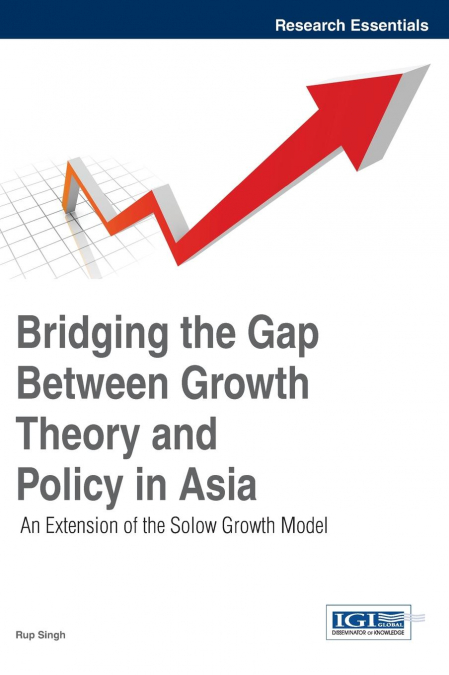
  • Bridging the Gap Between Growth Theory and Policy in Asia
    Rup Singh / Tatla Dar Singh
    Although economic growth is amongst the oldest of debates in Economics, there has been little advancement in growth theory since the classic works of Solow. As such, clear-cut answers to the context-specific determinants of growth, especially for developing countries, are rare. Bridging the Gap Between Growth Theory and Policy in Asia: An Extension of the Solow Growth Model add...
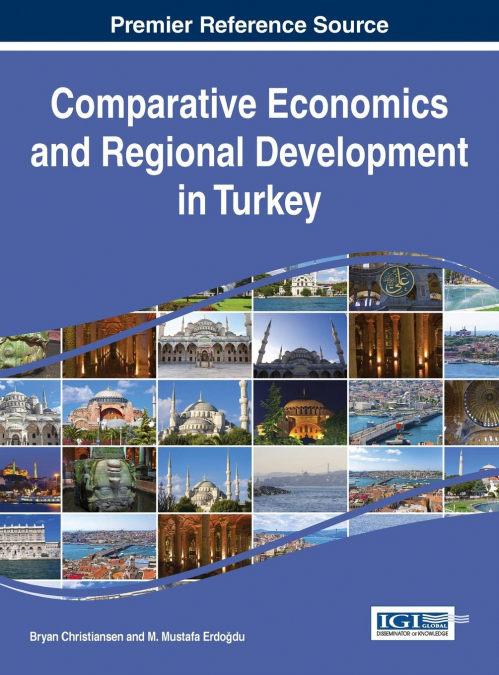
  • Comparative Economics and Regional Development in Turkey
    Bryan Christiansen / MMustafa Erdoğdu
    The rise of globalization has affected the ways in which nations maintain sustainable development and economic prosperity. Certain countries, such as Turkey, have evolved into a place of particular importance in the changing global economy. As such, it has become more important than ever to better understand the crucial role of such nations on an international scale. Comparativ...
  • Global Perspectives on Trade Integration and Economies in Transition
    Vasily Erokhin
    In the era of globalization, foreign trade has an immense impact upon modern economies. To succeed in the global marketplace, sustainable development in trade practices is an imperative goal for countries to reach. Global Perspectives on Trade Integration and Economies in Transition is an authoritative reference source for the latest research on the dynamics of transitional eco...
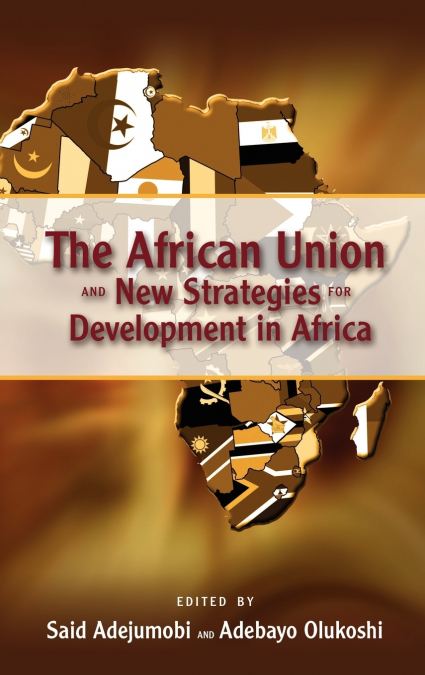
  • The African Union and New Strategies for Development in Africa
    The early twenty-first century witnessed remarkable attempts by Africa’s political leadership to promote regional integration as a means of fast-tracking economic progress, facilitating peace and security, consolidating democratic gains, and promoting the general welfare of the African people. The transition of the Organization of Unity (OAU) to the African Union (AU), as well ...

Otros libros del autor

  • Exploiting Linkages for Building Technological Capabilities
    Mai Fujita
    One of the key ingredients of success in building internationally competitive industries lies in amassing a sizeable pool of competent suppliers of parts, components and accessories. This monograph examines how in developing countries suppliers of mechanical components at the low end of the technological trajectory build up key capabilities over time. The focus is on Vietnam’s ...
    Disponible

    68,13 €