
Inicio > Sociedad y ciencias sociales > Política y gobierno > Gobierno central > Políticas del Gobierno central > Examining International Land Use Policies, Changes, and Conflicts
Examining International Land Use Policies, Changes, and Conflicts

Examining International Land Use Policies, Changes, and Conflicts


282,43 €
IVA incluido
Consulta disponibilidad
Editorial:
IGI Global
Año de edición:
2020
Materia
Políticas del Gobierno central
ISBN:
9781799843726

Selecciona una librería:

  • Librería Samer Atenea
  • Librería Aciertas (Toledo)
  • Kálamo Books
  • Librería Perelló (Valencia)
  • Librería Elías (Asturias)
  • Donde los libros
  • Librería Kolima (Madrid)
  • Librería Proteo (Málaga)

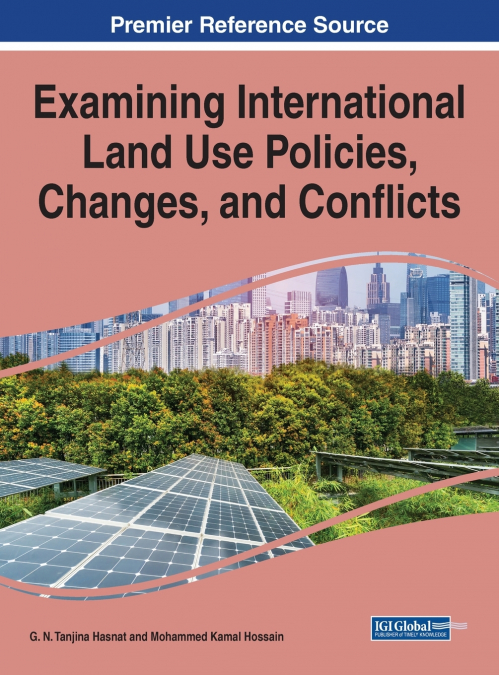
Though conflicts continue to arise over land use and land cover changes, the conversion of forest land to cropland or other land uses such as housing and urban development have been on the rise in recent years. Decisions regarding land use and land cover influence climate change as well as various natural processes. While proper changes can minimize the effects and speed of climatic changes, the continued adverse changes may be accelerating the deterioration of the world’s condition. Examining International Land Use Policies, Changes, and Conflicts presents the latest research on the present status of land use and land cover changes throughout the world in order to determine appropriate land use policies that can protect earth’s present and future condition. The findings of the studies investigate the conflicts behind the land tenure and land uses in different countries of the world and examines existing policies and the reasons behind changes in them. Ultimately, the book provides readers with knowledge on how land can be managed in a sustained manner, how landscape models are helpful for predicting and determining future land uses, how land can be managed with the best architectural measures, and how urban forestry is helpful for better environmental management and adapting or mitigating climate change effects. Land users, agriculturalists, urban planners, policymakers, government officials, researchers, academicians, and students looking to improve their understanding of this topic for better use of land in the future will find this book to be an asset to their current research.
Artículos relacionados

  • Law and Justice in a Multicultural Society. The Case of Mozambique
    Departing from a broad understanding of law in Mozambique, this work analyses the complex network of judicial systems by interrogating the roles of the entities intervening in the system in colonial and postcolonial contexts. The main objective is to promote an empirically sound and dynamic understanding of the relationships between the multiple judicial entities present in the...
    Disponible

    78,85 €

  • Socio-Legal Struggles for Indigenous Self-Determination in Latin America
    Roger Merino
    This book is an interdisciplinary study of struggles for indigenous self-determination and the recognition of indigenous’ territorial rights in Latin America. ...
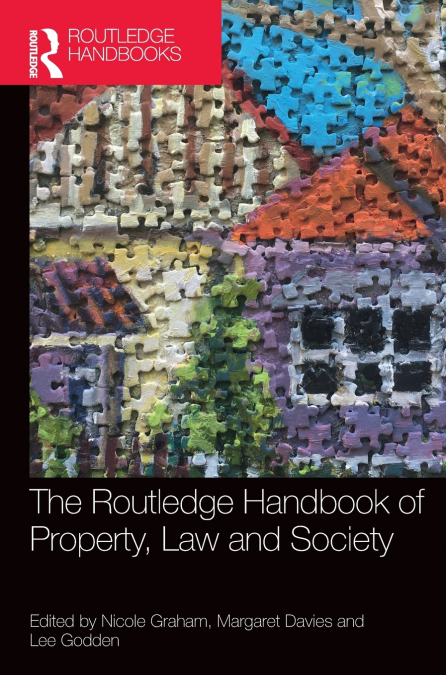
  • The Routledge Handbook of Property, Law and Society
    This handbook brings together diverse perspectives, major topics and multiple approaches to one of the biggest legal institutions in society: property. ...
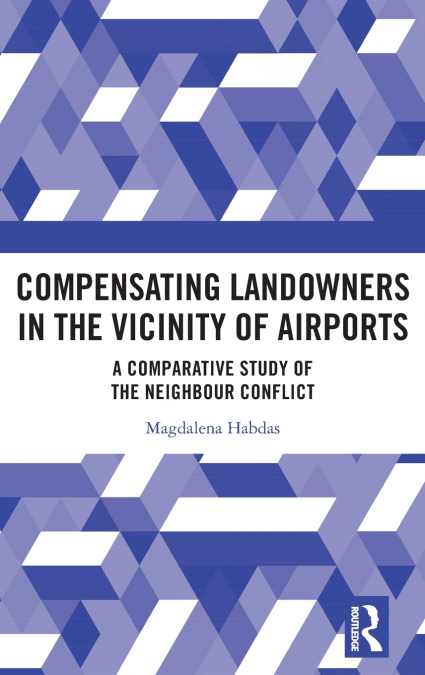
  • Compensating Landowners in the Vicinity of Airports
    Magdalena Habdas
    The purpose of this book is to consider the neighbour conflict arising between airports and neighbouring owners of land, particularly with residential uses, as well as to assess the existing solutions applied to manage or resolve that conflict. ...
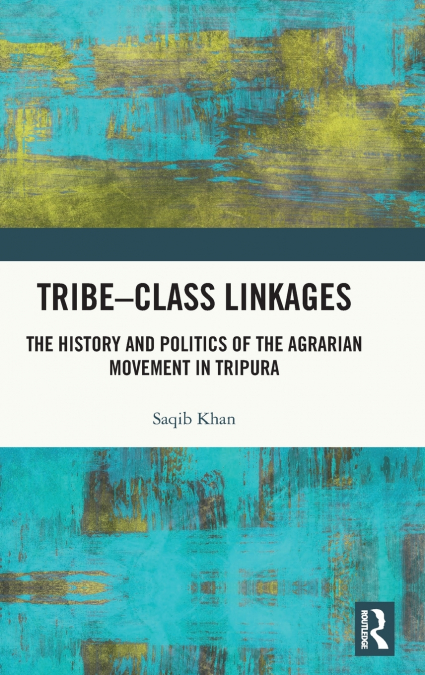
  • Tribe-Class Linkages
    Saqib Khan
    This book is a historical study of the development of agrarian class relations among the tribal population in Tripura. It traces the evolution of Tripura’s agrarian relations from monarchy in the nineteenth century to democracy in the twentieth century. ...
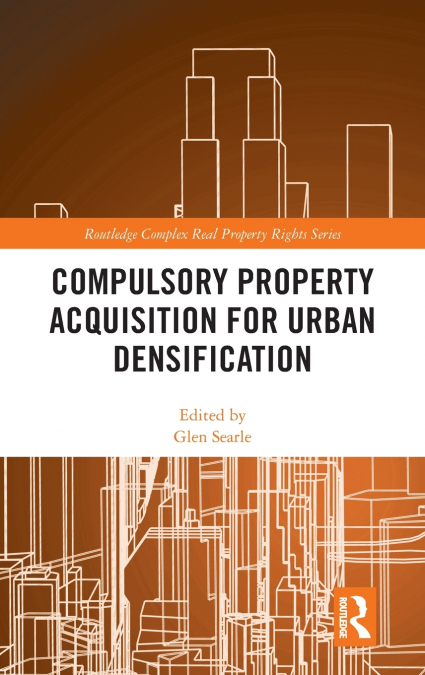
  • Compulsory Property Acquisition for Urban Densification
    Glen Searle
    This book summarizes international experiences of the extent to which property rights have or have not been protected in the use of compulsory property acquisition to achieve sustainable cities via urban densification. The case studies from Europe, North and South America, eastern Asia and Australia show how well, or not, property rights have been recognised in each country. ...