

 Librería Samer Atenea
 Kálamo Books
 Librería Elías (Asturias)
 Librería Kolima (Madrid)
 Librería Proteo (Málaga)
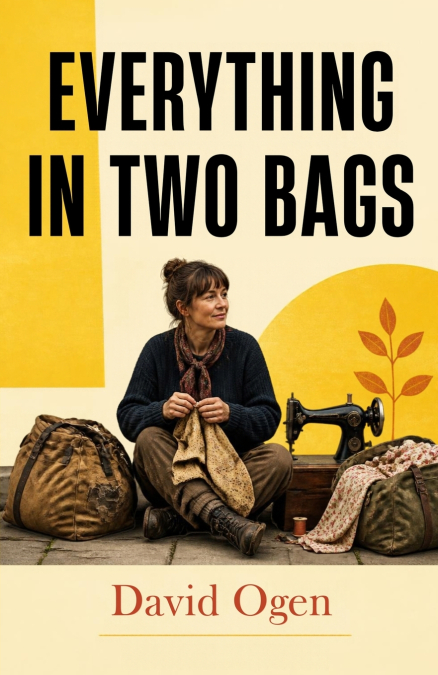
Viv Taylor is forty-three and works in a school office. One Tuesday morning the police come up the drive, and the man she has been married to for twenty-one years turns out to have been borrowing against her name without her knowing. The house goes. The savings go. By winter she is in a hostel, signing a book by the front door twice a day so somebody knows she is still there.What she has left is a skill. She can cut and make clothes.It starts with a single jacket, done as a favour, for a woman who cannot get anything to fit her. Then a wedding dress for her daughter. Then an empty shop, and a landlord who puts the keys on the counter, and the women she lives with finding eight hundred pounds between them and telling her to go and get her workshop.The second half is about running the thing, which is harder than opening it. Viv learns what a deposit is for by losing the price of a hand-finished coat. She says no to an order she has not got the machines or the staff for, and spends months finding both so she can take it after all. When an investor offers a hundred thousand pounds for half the business, she reads his figures, sets out her terms, and keeps the sizes, the street and everybody’s job.Along the way, readers will feel Viv’s heartbreak, frustration and uncertainty, but also share in her small triumphs, unexpected laughter and growing confidence. There is warmth in the friendships, tenderness in the moments of kindness and a quiet joy in watching a woman who has lost almost everything begin to find herself again. Her journey is moving without being sentimental, inspiring without pretending that life is easy. Readers will find themselves rooting for Viv, celebrating every hard-won success and perhaps recognising a little of their own strength in her story. Above all, it is a reminder that life can begin again at any age, that friendship can be a lifeline, and that sometimes the greatest achievement is simply learning to believe in yourself again.The story is told in short, plain scenes, and it refuses the usual rescues. No windfall, and no man who fixes it. Every pound is counted on the page, and the friends who carry her are not a reward for being good - they are women in the same building with the same problem. It ends with a wage sheet carrying five names, and a woven label in the back of a collar with her own name on it.It belongs with upmarket commercial fiction about starting again in middle age, and is written for readers who want a working-class setting, characters who work for a living, and an ending that is earned rather than given. A heartfelt, uplifting story of resilience, female friendship, independence and second chances.





