

 Librería Samer Atenea
 Kálamo Books
 Librería Elías (Asturias)
 Librería Kolima (Madrid)
 Librería Proteo (Málaga)
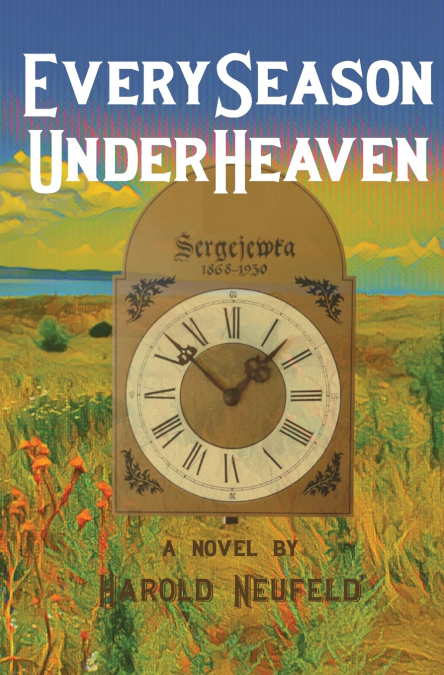
Acute land shortages, combined with religious divisions in the mother colonies of the Mennonites of South Russia, lead to the founding of Fürstenland, a new settlement 120 kilometres south of Chortitza, on land leased from a brother of the Czar. Sergejewka is the last of six villages, established in 1868 on marginal soils on the east bank of the Dniepr River. Originally a typical farming village of 30 households, it morphs into an industrial town dominated by a large factory employing equal numbers of Mennonites, Ukrainians and ethnic Germans. Almost immediately, the survival of the village is threatened by the mass emigrations of the 1870s. Escalating rents at century’s end trigger a second exodus.After the revolution of 1917, Johann, the mayor of the village, is caught between the needs of the citizens who elected him, and the demands of the Revolutionary Workers’ Komitee who take control of the factory. The wealthy owners and managers of the firm flee with the retreating Germans in November of 1918 and the few remaining families subsist as best they can on the land. Johann and Anna and their children survive the famine of 1921-23, but when the factory fails altogether, and drought strikes again in 1925, emigration to Canada is the only solution. The opening chapter finds them on a Manitoba farm in the midst of a fierce Canadian winter.





