Inicio > Lenguas > Lingüistica > Evaluation and Translation
Evaluation and Translation

Evaluation and Translation

Carol Maier

84,12 €
IVA incluido
Disponible
Editorial:
Taylor & Francis Ltd
Año de edición:
2000
Materia
Lingüistica
ISBN:
9781900650311
84,12 €
IVA incluido
Disponible

Selecciona una librería:

  • Librería Samer Atenea
  • Librería Aciertas (Toledo)
  • Kálamo Books
  • Librería Perelló (Valencia)
  • Librería Elías (Asturias)
  • Donde los libros
  • Librería Kolima (Madrid)
  • Librería Proteo (Málaga)

The definition of value or quality with respect to work in translation has historically been a particularly vexed issue. Today, however, the growing demand for translations in such fields as technology and business and the increased scrutiny of translators’ work by scholars in many disciplines is giving rise to a need for more nuanced, more specialized, and more explicit methods of determining value. Some refer to this determination as evaluation, others use the term assessment. Either way, the question is one of measurement and judgement, which are always unavoidably subjective and frequently rest on criteria that are not overtly expressed. This means that devising more complex evaluative practices involves not only quantitative techniques but also an exploration of the attitudes, preferences, or individual values on which criteria are established. Intended as an interrogation and a critique that can serve to prompt a more thorough and open consideration of evaluative criteria, this special issue of The Translator offers examinations of diverse evaluative practices and contains both empirical and hermeneutic work. Topics addressed include the evaluation of student translations using more up-to-date and positive methods such as those employed in corpus studies; the translation of non?standard language; translation into the second language; terminology; the application of theoretical criteria to practice; a social?textual perspective; and the reviewing of literary translations in the press. In addition, reviews by a number of literary translators discuss specific translations both into and out of English.
Artículos relacionados

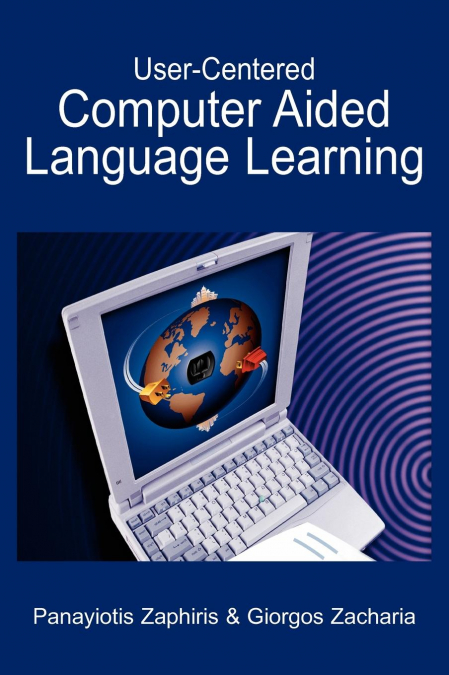
  • User-Centered Computer Aided Language Learning
    Giorgos Zacharia / Panayiotis Zaphiris
    ...
  • Deep Learning for Natural Language Processing
    Marco Antonio Valenzuela-Escárcega / Mihai Surdeanu
    ...
    Disponible

    47,60 €

  • Deep Learning for Natural Language Processing
    Marco Antonio Valenzuela-Escárcega / Mihai Surdeanu
    ...
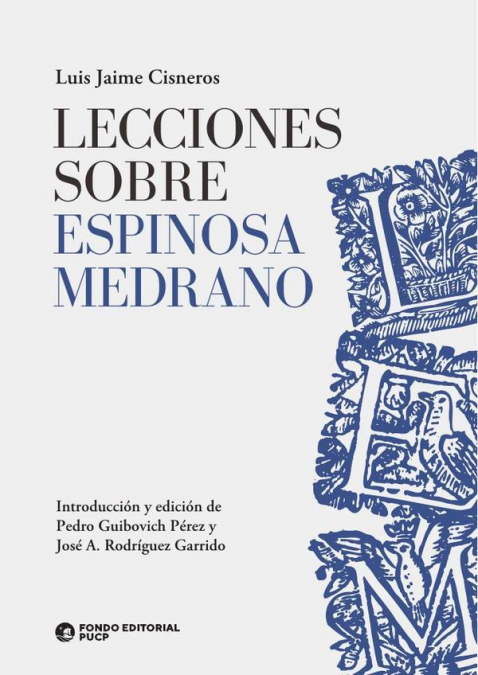
  • Lecciones sobre espinosa medrano
    Luis Jaime Cisneros Vizquerra
    La obra de Juan de Espinosa Medrano, apodado en su tiempo «El Lunarejo» (c. 1629-1688), fue uno de los mayores focos de interés académico de Luis Jaime Cisneros (1921-2011). En 1980 aparecieron sus primeros trabajos dedicados a estudiar los textos capitales de Espinosa Medrano (el Apologético en favor de don Luis de Góngora, la Panegírica declamación por la protección de las ci...
    Disponible

    17,63 €

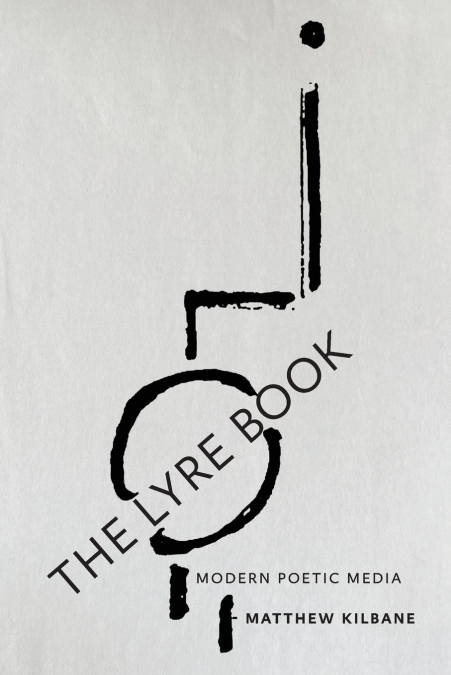
  • Lyre Book
    Matthew Kilbane
    Redefines modern lyric poetry at the intersection of literary and media studies.In The Lyre Book, Matthew Kilbane urges literary scholars to consider lyric not as a genre or a reading practice but as a media condition: the generative tension between writing and sound. In addition to clarifying issues central to the study of modern poetry--including its proximity to popular song...
    Disponible

    50,84 €

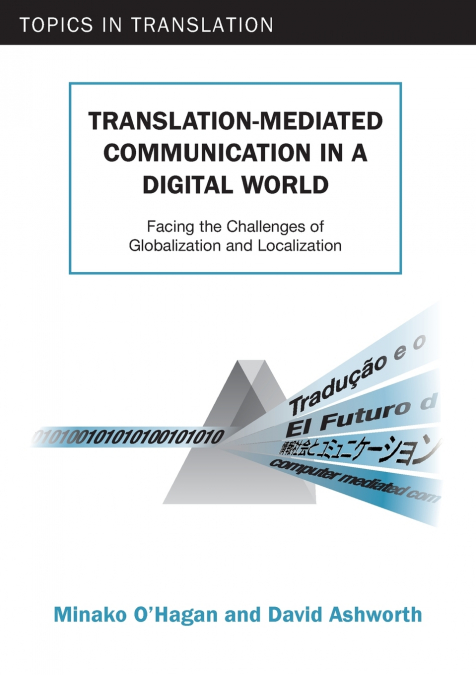
  • Translation-mediated Communication in a Digital World
    David Ashworth / Minako O’Hagan
    The Internet is accelerating globalization by exposing organizations and individuals to global audiences. This in turn is driving teletranslation and teleinterpretation, new types of multilingual support, which are functional in digital communications environments. The book describes teletranslation and teleinterpretation by exploring a number of key emerging contexts for langu...
    Disponible

    45,19 €