 Librería Samer Atenea
 Kálamo Books
 Librería Elías (Asturias)
 Librería Kolima (Madrid)
 Librería Proteo (Málaga)
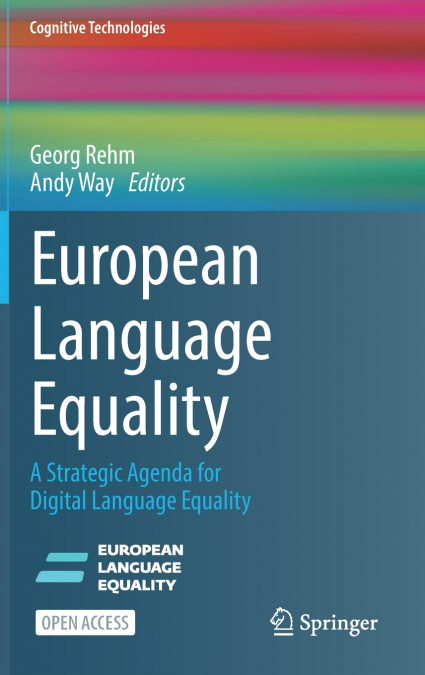
This open access book presents a comprehensive collection of the European Language Equality (ELE) project’s results, its strategic agenda and roadmap with key recommendations to the European Union on how to achieve digital language equality in Europe by 2030. The fabric of the EU linguistic landscape comprises 24 official languages and over 60 regional and minority languages. However, language barriers still hamper communication and the free flow of information. Multilingualism is a key cultural cornerstone of Europe, signifying what it means to be and to feel European. Various studies and resolutions have found a striking imbalance in the support of Europe’s languages through technologies, issuing a call to action. Following an introduction, the book is divided into two parts. The first part describes the state of the art of language technology and language-centric AI and the definition and metrics developed to measure digital language equality. It also presents the status quo in 2022/2023, i.e., the current level of technology support for over 30 European languages. The second part describes plans and recommendations on how to bring about digital language equality in Europe by 2030. It includes chapters on the setup and results of the community consultation process, four technical deep dives, an overview of existing strategic documents and an abridged version of the strategic agenda and roadmap.The recommendations have been prepared jointly with the European community in the fields of language technology, natural language processing, and language-centric AI, as well as with representatives of relevant initiatives and associations, language communities and regional and minority language groups. Ensuring appropriate technology support for all European languages will not only create jobs, growth and opportunities in the digital single market. Overcoming language barriers in the digital environment is also essential for an inclusive society and for providing unity in diversity for many years to come.