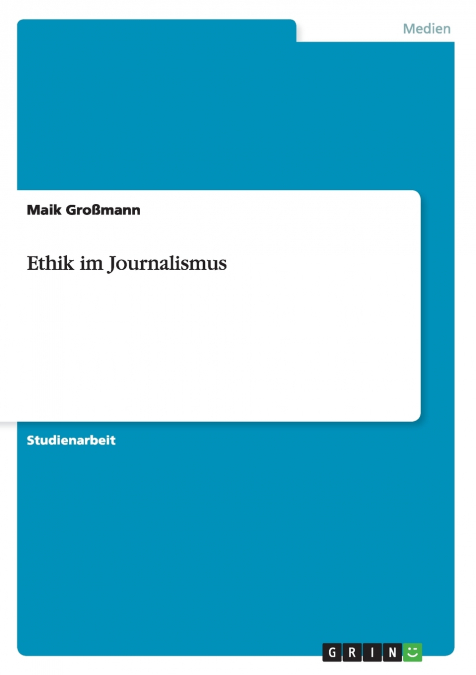

Ethik im Journalismus

Ethik im Journalismus

Maik Großmann

27,63 €
IVA incluido
Disponible
Editorial:
GRIN Verlag
Año de edición:
2008
Materia
Ética y filosofía moral
ISBN:
9783640112357
27,63 €
IVA incluido
Disponible

Selecciona una librería:

  • Librería Samer Atenea
  • Librería Aciertas (Toledo)
  • Kálamo Books
  • Librería Perelló (Valencia)
  • Librería Elías (Asturias)
  • Donde los libros
  • Librería Kolima (Madrid)
  • Librería Proteo (Málaga)

Studienarbeit aus dem Jahr 2001 im Fachbereich Medien / Kommunikation - Medienethik, Note: 1,0, Hochschule Bremen, Veranstaltung: Medientheorie II, Sprache: Deutsch, Abstract: Die Bundesrepublik Deutschland ist ein demokratischer Staat. Das Hauptmerkmal einer Demokratie ist die Gewaltenteilung, also die Zuweisung von Legislative, Exekutive und Judikative an voneinander unabhängige Staatsorgane.Eine wichtige Rolle in der Demokratie spielen auch die Medien. In erster Linie haben sie die Aufgabe, Kontrolle und Kritik an Staat und Gesellschaft zu üben, so dass der Volksmund die Medien sogar als Vierte Gewalt tituliert. Doch die Arbeit der Medien, genauer gesagt der Journalisten, ist oftmals nicht unumstritten. Von Machtmissbrauch und mangelndem Verantwortungsgefühl ist die Rede, wenn Journalisten Einzelschicksale zu Geld machen und inkauf nehmen, dass mancher Bürger in den Medien bloßgestellt wird.Immer wieder wird dann der Ruf nach professionellen Standards für Journalisten laut. Qualitätsverlust in den Medien und Wertewandel in der Gesellschaft sind Schlagworte einer Debatte, in der mehr Verantwortung von den Medien gefordert wird. Denn die Grenzziehung zwischen einer Diskussion über Ethik in den Medien und Qualität des Journalismus ist kaum möglich und entfällt oft ganz. Ursächlich für die Gefährdung der journalistischen Ethik verantwortlich gemacht werden dabei die raschen technischen Innovationen, die Globalisierung der Märkte und der zunehmende Wettbewerbsdruck.Aber wem ist der mediale Sittenverfall anzulasten? Medienschaffende scheinen mindestens ebenso gefordert wie die Journalisten. Dabei ist man sich einig, dass das Thema Ethik in einer journalistischen Ausbildung zumindest mehr als bisher eine Rolle spielen muss. Doch letztlich kommt es immer darauf an, sich - individuell oder als Berufsgruppe - einer Selbstkontrolle zu unterziehen und Eigenverantwortung zu entwickeln. Staatliche Regulierung kann diese Verantwortung nicht ersetzen.Ein großes Maß an Ve

Artículos relacionados

  • Ka Ab Ba Building The Lighted Temple
    Dr Terri R. Nelson / Dr Terri RNelson
    The book KaAbBa Building The Lighted Temple/Metaphysical Keys to the Tree of Life draws a circle that is inclusive of the Afrikan origin of the Ancient Kemetic/Egyptian wisdom. It reveals the undeniable root and link of Ancient Africa to all the religious systems that would develop worldwide. This book is explosive in its power to convey the meaning of KaAbBa, the Medu Neter  (...
    Disponible

    37,41 €

  • Technoethics and the Evolving Knowledge Society
    Rocci Luppicini
    Recently, there has been a major push to rediscover the ethical dimension of technology across the sciences, social sciences, and humanities. Technoethics and the Evolving Knowledge Society: Ethical Issues in Technological Design, Research, Development, and Innovation examines human processes and practices connected to technology embedded within social, political, and moral sph...
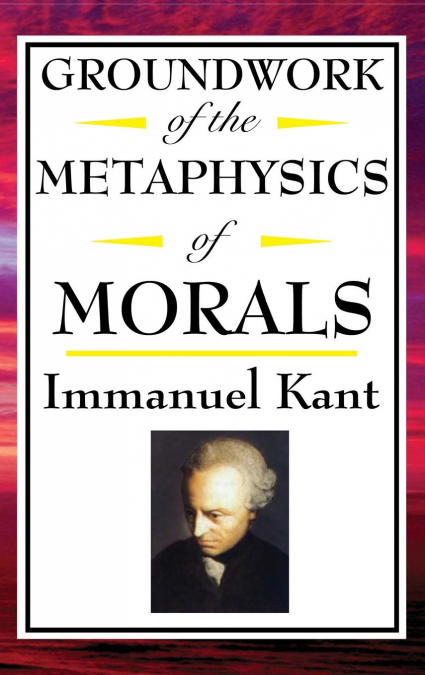
  • Kant
    Immanuel Kant
    Kant’s Groundwork of the Metaphysics of Morals is one of the most important works in modern moral philosophy. It belongs beside Plato, Aristotle, Machiavelli, and Hobbes. Here Kant sets out to articulate and defend the Categorical Imperative - the fundamental principle that underlies moral reasoning - and to lay the foundation for a comprehensive account of justice and human vi...
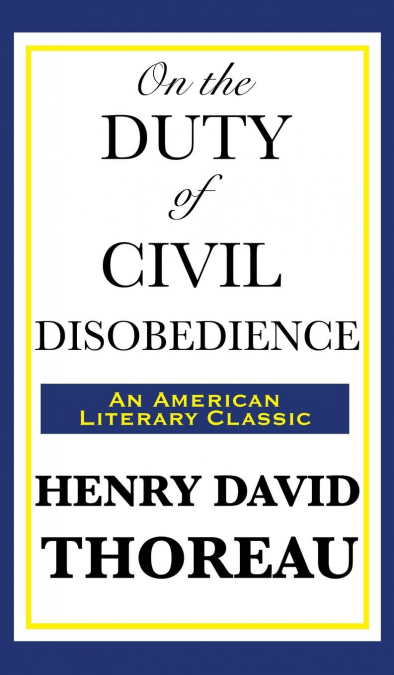
  • On the Duty of Civil Disobedience
    HENRY DAVID THOREAU
    Civil Disobedience argues that citizens should not permit their governments to overrule their consciences, and that they have a duty to avoid allowing their acquiescence to enable the government to make them the agents of injustice. Thoreau was motivated in part by his disgust with slavery and the Mexican-American War, but the sentiments he expresses here are just as pertinent ...
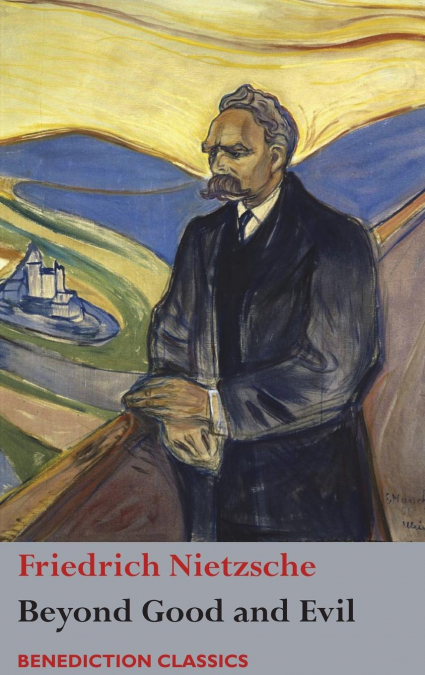
  • Beyond Good and Evil
    Friedrich Nietzsche
    Nietzsche, though primarily a philosopher, wrote widely on art, philology, history, religion, tragedy, culture, and science.  In 1886, at the height of his powers, he published Beyond Good and Evil.  Here he examines much of the best of human thought--dogmatic philosophy, Judeo-Christian morality, science and democracy – and finds it lacking.  Rejecting “slave-morality” he pres...
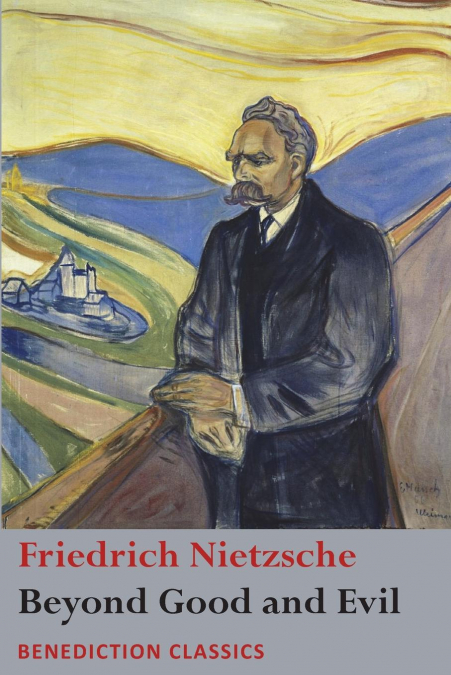
  • Beyond Good and Evil
    Friedrich Nietzsche
    Nietzsche, though primarily a philosopher, wrote widely on art, philology, history, religion, tragedy, culture, and science.  In 1886, at the height of his powers, he published Beyond Good and Evil.  Here he examines much of the best of human thought--dogmatic philosophy, Judeo-Christian morality, science and democracy – and finds it lacking.  Rejecting “slave-morality” he pres...
    Disponible

    9,99 €