
Inicio > Consulta, información y materias interdisciplinarias > Estudios interdisciplinarios > Estudios del desarrollo > Estlands Außen- und Sicherheitspolitik III. Eine gedächtnispolitische Analyse der estnischen Entwicklungspolitik 2006-2010
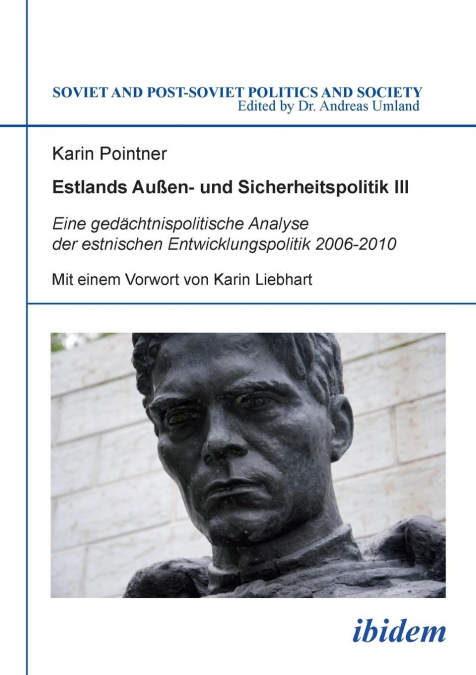
Estlands Außen- und Sicherheitspolitik III. Eine gedächtnispolitische Analyse der estnischen Entwicklungspolitik 2006-2010

Estlands Außen- und Sicherheitspolitik III. Eine gedächtnispolitische Analyse der estnischen Entwicklungspolitik 2006-2010

Estlands Außen- und Sicherheitspolitik III. Eine gedächtnispolitische Analyse der estnischen Entwicklungspolitik 2006-2010

Karin Pointner

38,13 €
IVA incluido
Disponible
Editorial:
ibidem
Año de edición:
2013
Materia
Estudios del desarrollo
ISBN:
9783838204352
38,13 €
IVA incluido
Disponible

Selecciona una librería:

  • Librería Samer Atenea
  • Librería Aciertas (Toledo)
  • Kálamo Books
  • Librería Perelló (Valencia)
  • Librería Elías (Asturias)
  • Donde los libros
  • Librería Kolima (Madrid)
  • Librería Proteo (Málaga)

Die vorliegende Arbeit führt die wichtigsten Gründe für die Auswahl der Schwerpunktländer der bilateralen Entwicklungspolitik Estlands von 2006 bis 2010 - Georgien, Ukraine, Moldawien und Afghanistan - an. Neben einem Überblick über die Strukturen der estnischen Entwicklungspolitik, deren AkteurInnen und Themenbereiche wird auf die Anfangsschwierigkeiten des New Donor seit 1998, das Selbstbild als Tiny Baltic Tiger und die Hauptgründe für die Orientierung der bilateralen Entwicklungspolitik 'to the East' eingegangen. Die Autorin diskutiert, wie die Abgrenzung von der sowjetischen Vergangenheit und die kollektive Erinnerung an die negativen Ereignisse dieser Zeit durch aktuelle Eigen- und Fremdbilder manifestiert werden. Es wird gezeigt, wie durch die unterschiedlichen Geschichtsinterpretationen Estlands und Russlands dualistische Zuschreibungen dazu führen, dass das Angstgefühl vor Russland und die Gegenüberstellung von 'Ost' und 'West' auch in der Entwicklungspolitik perpetuiert werden. Durch gezielte Unterstützung der Partnerstaaten bei Transformationsreformen soll deren staatliche Unabhängigkeit unterstützt, eine Sicherheitszone in der direkten EU-Nachbarschaft aufgebaut, der von Estland vorgelebte 'Estonian Way' vom maroden Empfängerland internationaler Hilfsgelder zum liberalen modernen EU- und NATO-Mitglied als nachahmenswertes Beispiel fungieren und das estnische Selbstbild als vertrauenswürdiger Partnerstaat in die internationale Donor community getragen werden.Vertrauen, emotionale Bindungen, ein überzogenes staatliches Sicherheitsgefühl, moralische Verpflichtungen und 'Kommunikation ohne Worte' sind nur einige der Aspekte, die im vorliegenden Werk über die estnische Entwicklungspolitik ihren Platz finden. 3
Artículos relacionados

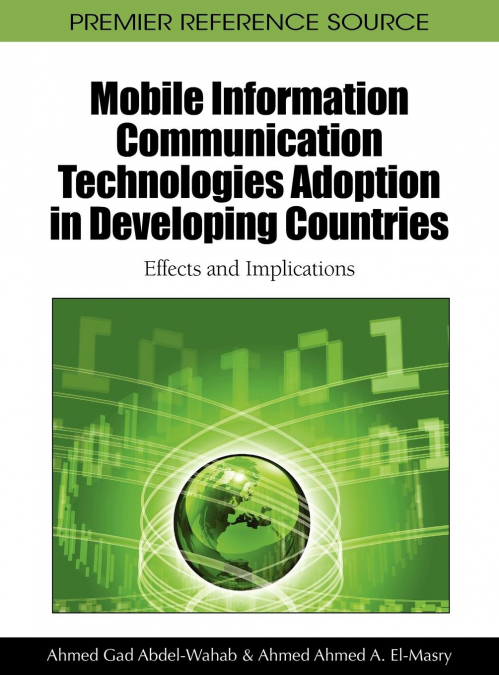
  • Mobile Information Communication Technologies Adoption in Developing Countries
    The mobile technology field is expanding with innovative research and discoveries that expand to all walks of life. Mobile technology may have its greatest impact in the developing world, because it brings telecommunication to districts that had never been reached before. Mobile Information Communication Technologies Adoption in Developing Countries: Effects and Implications re...
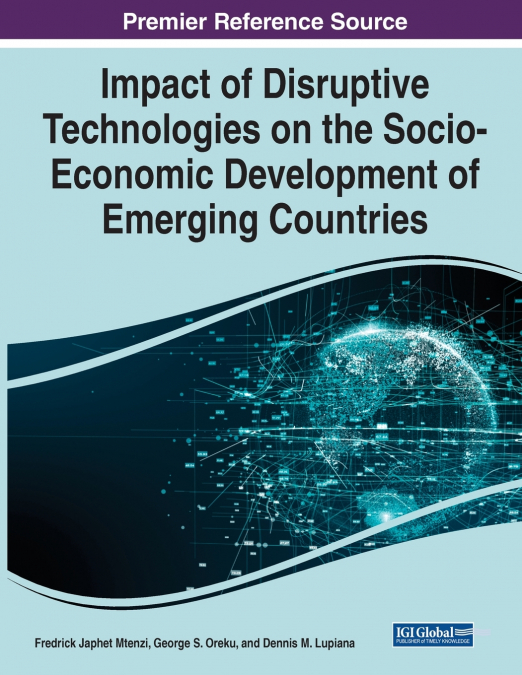
  • Impact of Disruptive Technologies on the Socio-Economic Development of Emerging Countries
    Global emergencies, such as the COVID-19 pandemic and environmental concerns, have challenged the readiness of societies and forced them to operate in more innovative ways. In response, the world has witnessed new technologies emerge and researchers continually finding better solutions to cope with these situations. It is crucial that these innovations are investigated so that ...
    Disponible

    222,57 €

  • The Drivers and Outcomes of Global Health Diplomacy
    Maria Berta Ecija
    This book investigates the Brazilian health cooperation in Mozambique through the implementation of a pharmaceutical factory in Maputo. ...
  • Gulf Ideological Dynamics
    GEW Reports & Analyses Team. / Hichem Karoui (Editor)
    The Gulf ideological system is a set of interconnected beliefs and principles governing the region’s political, economic, social, and cultural spheres. It combines various ideologies, including religious, nationalist, tribal, and pan-Islamic ideologies. It is shaped by a combination of historical, cultural, and socio-economic factors. Political alliances, economic shifts, socia...
    Disponible

    32,90 €

  • The Rise of Africa’s Middle Class
    Henning Melber
    Across Africa, a burgeoning middle class has become the poster child for the 'Africa rising' narrative. Ambitious, aspirational and increasingly affluent, this group is said to embody the values and hopes of the new Africa, with international bodies ranging from the United Nations Development Programme to the World Bank regarding them as important agents of both economi...
  • AIDS in Africa- How Did It Ever Happen
    Frank Ham
    This book offers a unique personal perspective on the HIV/AIDS crisis in Africa. It is a first person narrative of a European homosexual who tested positive in the early eighties. The author owes his survival to tell the tale not least to the drugs, which in his home country are accessible to any person who is HIV positive. Frank Ham visited Malawi in 1999 and repeatedly therea...
    Disponible

    36,43 €