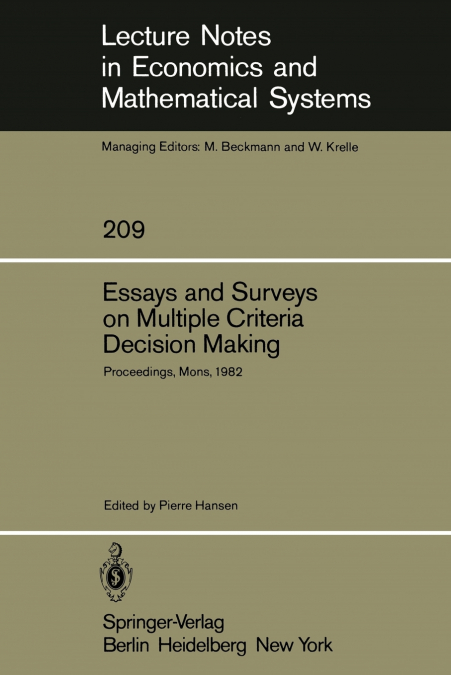

Essays and Surveys on Multiple Criteria Decision Making

Essays and Surveys on Multiple Criteria Decision Making

P. Hansen

133,13 €
IVA incluido
Disponible
Editorial:
Springer Nature B.V.
Año de edición:
1983
Materia
Toma de decisiones en la gestión de empresas
ISBN:
9783540119913
133,13 €
IVA incluido
Disponible

Selecciona una librería:

  • Librería Samer Atenea
  • Librería Aciertas (Toledo)
  • Kálamo Books
  • Librería Perelló (Valencia)
  • Librería Elías (Asturias)
  • Donde los libros
  • Librería Kolima (Madrid)
  • Librería Proteo (Málaga)

The Fifth International Conference on Multiple Criteria Decision Making, not suprisingly, had several objectives. First, it aimed at beinq a forum for exchange and intensive discussion of recent ideas on theory and practice of MCDM, following the now well-established tradition of the previous meetings in the series, organized by H. Thiriez and S. Zionts in Jouy-en-Josas (1975), S. Zionts in Buffalo (1977), G. Fandel and T. Gal in Hagen/Konigswinter (1979) and J. Morse in Newark (1980). Second, closer contacts Nere desired between participants in these meetings and other active groups in the field, prominent among which is the European Working Group on Multiple Criteria Decision Aid. Third, participation of senior or junior researchers who had recently developped important new methodolo0ies, such as the Analytical Hierarchy Process, was actively sought for. Fourth, a synthesis of the rapidly expanding field of MCDM was to be made through selective surveys by leading researchers in the various areas it comprises. Fifth, cross-fertilization and multidisciplinary research was to be encouraged through presentations on the connections between MCDM and mathematics, economics, game theory, computer science and other subjects. Sixth, much emphasis was to be given to real-world applications of MCDM, particularly large scale ones and/or pioneering work in new fields. The present volume reflects the general agreement observed among participants that these goals were largely attained.
Artículos relacionados

  • Ethics and Decision-Making for Sustainable Business Practices
    Ionica Oncioiu
    Alongside increasing demands for transparency and accountability, business governance is transforming due to decades of economic turmoil, regulatory reform, and technological change. There is now a holistic approach to this concept, as it is no longer just about running companies and organization efficiently. Ethics and Decision-Making for Sustainable Business Practices is a cr...
    Disponible

    282,00 €

  • Decisions
    Robert L. Dilenschneider
    ...
    Disponible

    15,88 €

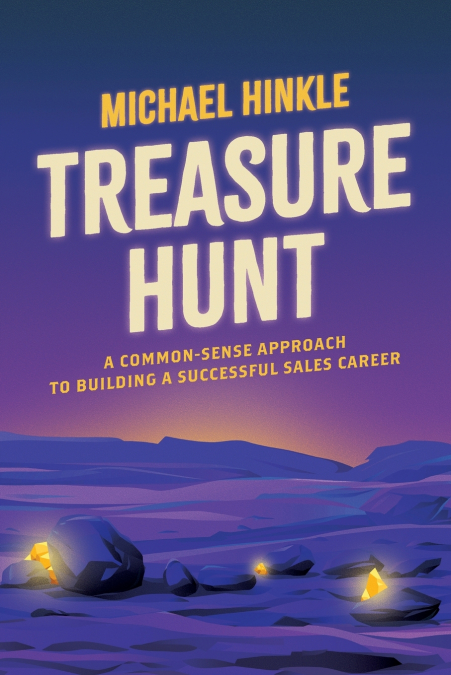
  • Treasure Hunt
    Michael Hinkle
    Sales Isn’t a Rat Race...It’s a Treasure Hunt.The question is...how do you get to the treasure? With over thirty years of sales experience-from owning his own business to commission-only roles-Michael Hinkle shares the mindsets and practices he’s used to cultivate a multimillion-dollar sales career. With a refreshingly straightforward and simple perspective on how to build a th...
    Disponible

    16,19 €

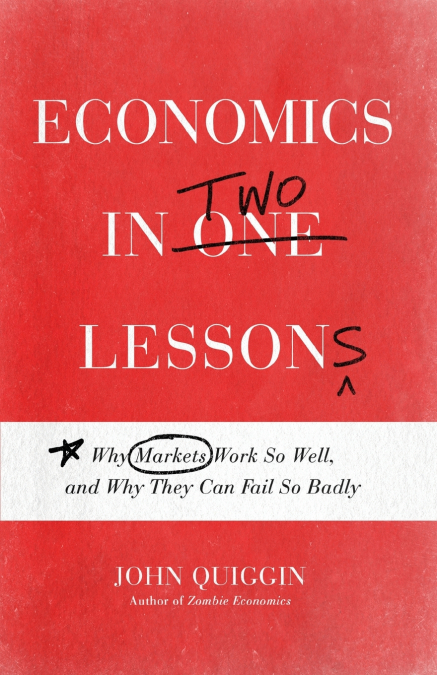
  • Economics in Two Lessons
    John Quiggin
    A masterly introduction to the key ideas behind the successes-and failures-of free-market economicsSince 1946, Henry Hazlitt’s bestselling Economics in One Lesson has popularized the belief that economics can be boiled down to one simple lesson: market prices represent the true cost of everything. But one-lesson economics tells only half the story. It can explain why markets of...
    Disponible

    30,15 €

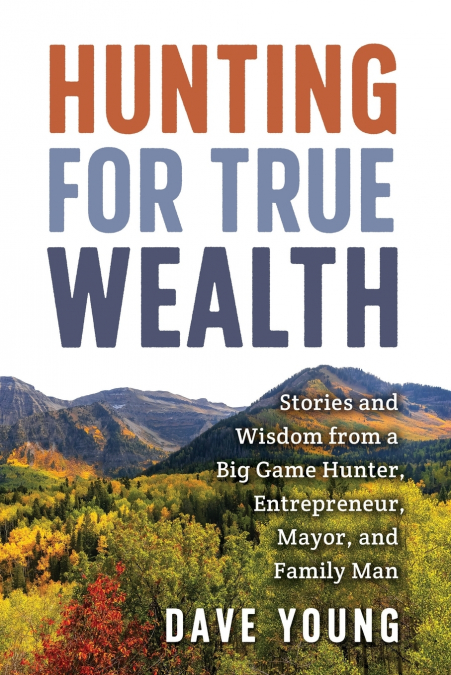
  • Hunting for True Wealth
    Dave Young
    Not all wealth is financial. No matter your age, career, or life experience, true wealth is within reach.Financial investing is a lot like big game hunting. They both come with risk and reward. They both require discipline, research, and excellent timing. They both offer clues to what it means to be truly wealthy.Hunting for True Wealth is your fun and informative guide to livi...
    Disponible

    17,77 €

  • ¿Quién decide quién decide?
    TED J. RAU
    Se forman tantos grupos y muchos de ellos se desvanecen. ¿Qué distingue a los grupos que crecen y prosperan de los que se desvanecen y fracasan? Los factores de éxito están bien estudiados, aunque las lecciones aprendidas difícilmente se incorporan al diseño de quienes inician grupos. Eso tiene sentido: los grupos se forman porque las personas sienten la urgencia de un cambio e...
    Disponible

    19,24 €