
Inicio > Humanidades > Filosofía > ¿Es posible una ética sin Dios?
¿Es posible una ética sin Dios?

¿Es posible una ética sin Dios?

Bella Bedia Botello

16,00 €
IVA incluido
Disponible
Editorial:
APEIRON
Año de edición:
2018
Materia
Filosofía
ISBN:
9788417574154
16,00 €
IVA incluido
Disponible

Selecciona una librería:

  • Librería Samer Atenea

  • Kálamo Books
  • Librería Elías (Asturias)
  • Librería Kolima (Madrid)
  • Librería Proteo (Málaga)

Hume y Rousseau son exponentes principales de la Ilustración, momento histórico donde se compartimenta, de forma estanca, la religión y las ciencias —incluida la Filosofía— detonándose el cambio cultural y filosófico que culminará, posteriormente, en la Filosofía Contemporánea. De ahí que la elección de estos autores sea crucial para el objetivo del trabajo: el estudio de la incompatibilidad e injerencias, o no, de una posible figura divina frente a la ética y libertad humanas. La tradición filosófica ha catalogado de emotivista y sentimentalista a Hume y Rousseau, respectivamente, pero en este trabajo se pretende también demostrar la injusticia cometida realizando dicha clasificación y, para ello, se releen sus posiciones bajo la luz de la ética de Nicolai Hartmann. A raíz de paralelismos encontrados en elementos clave, se puede afirmar que se ha caído en una malinterpretación histórica y hermenéutica de las posiciones éticas de los ilustrados. Dicho análisis lleva consigo, implícitamente, la respuesta parcial al objetivo principal: la universalidad de la ética como principio humanista objetivo y la salvaguardia de tal objetividad en caso de existir un Dios personal.

Artículos relacionados

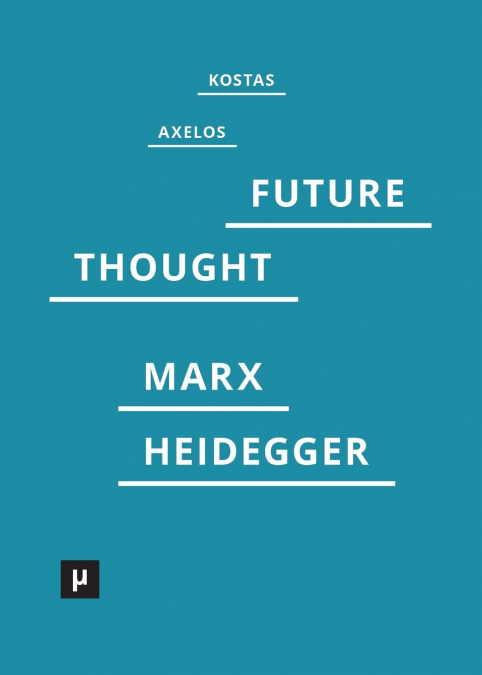
  • Introduction to a Future Way of Thought
    Kostas Axelos / Kenneth Mills
    'Technologists only change the world in various ways in generalized indifference; the point is to think the world and interpret the changes in its unfathomability, to perceive and experience the difference binding being to the nothing.'Anticipating the age of planetary technology Kostas Axelos, a Greek-French philosopher, approaches the technological question in this book, firs...
    Disponible

    18,58 €

  • Capsule
    John Kenneth Press
    Join John and Adam as they wander the mean streets of Japan on a psychedelic fueled search for identity. While fun for the average reader, this book could also serve as a philosphy textbook because of its ordered exploration of sources of identity. Ultimately this trip through nationalist attacks, sex, and drugs, will take you to a better understanding of yourself and your pl...
    Disponible

    11,51 €

  • If you look at it long enough...
    Paul Hallam
    Originally written for an academic journal, If you look at it long enough... is primarily a personal account of Paul Hallam’s recollections of “self-abuse” through the consumption of porn over several decades. Challenging the familiar form of an “academic essay,” this autobiographical narrative raises several questions in relation to our contemporary morals related to sex in ge...
    Disponible

    11,30 €

  • The Teachers of Gurdjieff
    Rafael Lafort / Rafael Lefort
    When The Teachers of Gurdjieff was first published more than 50 years ago, it made a considerable stir. George Ivanovich Gurdjieff had been one of the most famous mystics in the West in the first half of the 20th century - a teaching master who had many fashionable and influential pupils. He had a striking appearance and manner of teaching, and his teaching proved to be very in...
    Disponible

    20,45 €

  • Manifesto of the Communist Party
    Karl Marx
    The Communist Manifesto was first published on February 21, and it is one of the world’s most influential political tracts. Commissioned by the Communist League and written by communist theorists Karl Marx and Friedrich Engels, it laid out the League’s purposes and program. The Manifesto suggested a course of action for a proletarian (working class) revolution to overthrow the ...
  • The Art of Literature
    Arthur Schopenhauer
    Collected here are eight short essays, On Authorship, On Style, On the Study of Latin, On Men of Learning, On Thinking for Ones Self, On Criticism, On Reputation, On Genius, by the world renowned philosopher Arthur Achopenhauer. ...