 Librería Samer Atenea
 Kálamo Books
 Librería Elías (Asturias)
 Librería Kolima (Madrid)
 Librería Proteo (Málaga)
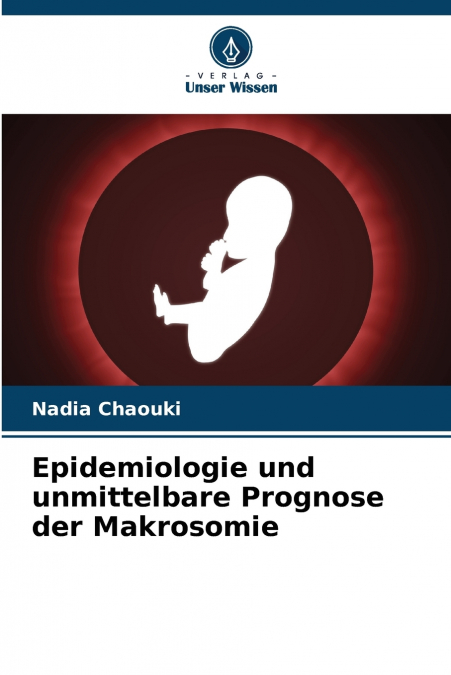
Macrosomia is a multifactorial condition. Maternal hyperglycemia, ethnicity, parity, history of macrosomia, maternal obesity, and gestational weight gain are all factors that can influence fetal growth. The delivery of a macrosomic infant has always been a concern for physicians, diabetologists, obstetricians, and pediatricians. It has often required their presence and close collaboration. Maternal morbidity is mainly represented by postpartum hemorrhage, uterine rupture, vaginal lacerations, and postpartum shock. Macrosomic babies are born with a risk of traumatic injuries (shoulder dystocia), metabolic disorders (hypoglycemia, polycythemia, hyperbilirubinemia, and hypothermia), and congenital malformations (hypertrophic cardiomyopathy). These complications are mainly found in segmental macrosomic babies born to diabetic mothers. The aim of our work was to confirm the epidemiological profile of macrosomia and to make recommendations to the Ministry of Health, health professionals, and the general public in order to reduce the morbidity rate.