
Inicio > Humanidades > Historia > Historia regional y nacional > Historia de Europa > Environment and Society in Soviet Estonia, 1960-1990
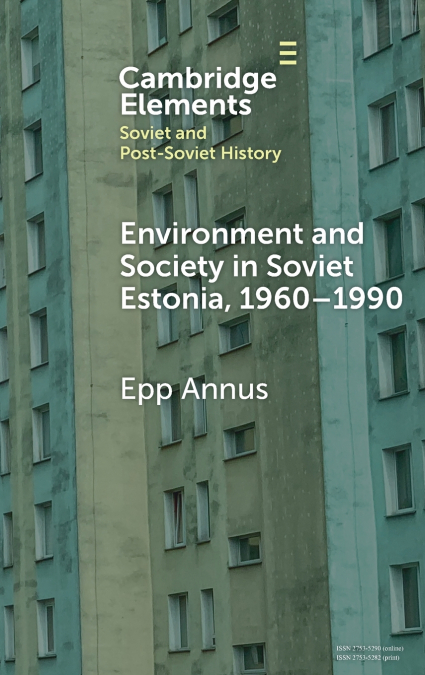
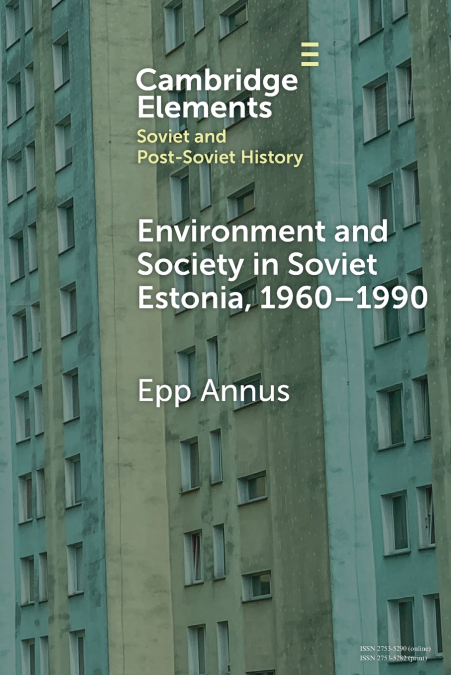
Environment and Society in Soviet Estonia, 1960-1990

Environment and Society in Soviet Estonia, 1960-1990

Epp Annus

26,43 €
IVA incluido
Disponible
Editorial:
Cambridge University Press
Año de edición:
2025
Materia
Historia de Europa
ISBN:
9781009429351
26,43 €
IVA incluido
Disponible

Selecciona una librería:

  • Librería Samer Atenea
  • Librería Aciertas (Toledo)
  • Kálamo Books
  • Librería Perelló (Valencia)
  • Librería Elías (Asturias)
  • Donde los libros
  • Librería Kolima (Madrid)
  • Librería Proteo (Málaga)

Artículos relacionados

Otros libros del autor

  • Environment and Society in Soviet Estonia, 1960-1990
    Epp Annus
    Russia’s twenty-first-century military aggression has inspired calls for re-thinking the Soviet era and its aftermath - in particular, for drawing attention to the non-Russian parts of the (former) USSR. At the same time, the present era of anthropogenic climate change urges us to consider the global and planetary implications of local actions. This Element combines these two s...
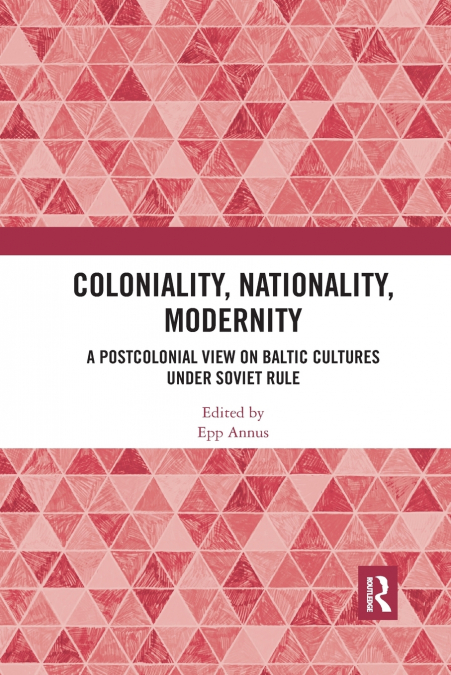
  • Coloniality, Nationality, Modernity
    Epp Annus
    This book explores the intersection of Soviet colonial strategies with broader processes of modernity and in their entangled relationship to Baltic national imaginaries. The chapters were originally published in a special issue of the Journal of Baltic Studies. ...
    Disponible

    80,37 €

  • Soviet Postcolonial Studies
    Epp Annus
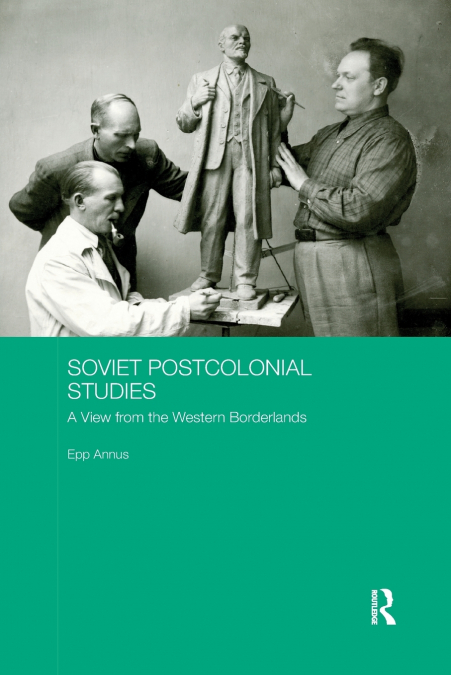
    This book considers postcolonial theory in relation to the former Soviet bloc, and also uses the experiences of former Soviet bloc countries to refine and advance theory. It explores topics like Soviet colonality as co-constituted with Soviet modernity, and how cultural imaginaries were formative of Soviet everyday experience. ...
    Disponible

    94,65 €

  • Soviet Postcolonial Studies
    Epp Annus
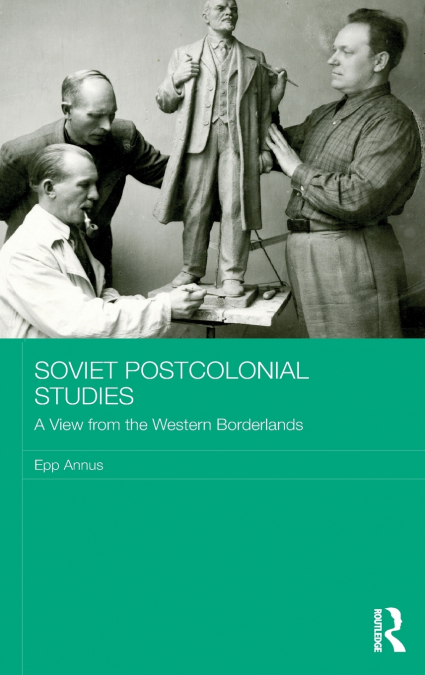
    This book considers postcolonial theory in relation to the former Soviet bloc, and also uses the experiences of former Soviet bloc countries to refine and advance theory. It explores topics like Soviet colonality as co-constituted with Soviet modernity, and how cultural imaginaries were formative of Soviet everyday experience. ...