Inicio > Humanidades > Filosofía > Entre lo invisible y lo asombroso
Entre lo invisible y lo asombroso

Entre lo invisible y lo asombroso

Nicolás Rojas / Raúl Villarroel / Roberto Campos Garro

14,56 €
IVA incluido
Disponible
Editorial:
Editorial Universitaria de Chile
Año de edición:
2025
Materia
Filosofía
ISBN:
9789561131149
14,56 €
IVA incluido
Disponible

Selecciona una librería:

  • Librería Samer Atenea
  • Librería Aciertas (Toledo)
  • Kálamo Books
  • Librería Perelló (Valencia)
  • Librería Elías (Asturias)
  • Donde los libros
  • Librería Kolima (Madrid)
  • Librería Proteo (Málaga)

La pregunta por cómo comienzan los textos filosóficos desemboca en la selección y examen de un conjunto de ejemplos que, extraídos de la historia de la filosofía, permiten su problematización. Por tanto, esta argumentación apunta a situar al prólogo filosófico como una forma consolidada de expresión, con una caracterización específica. Los prólogos de la filosofía son más bien una invención reciente. La naturalidad que tiene referirse a un prólogo de Kant o a una introducción de Hegel nos dispensa de percatarnos de la necesidad que para esos autores estuvo el escribirlos. La afirmación que señala que los libros nos transforman y ellos mismos se transforman al hacerlo, tiene su confirmación más cercana en las aventuras –entendidas como transformaciones– a las que el libro se ha visto expuesto. En el caso del libro filosófico tal cuestión no es menor. Y genera de inmediato abrirse a la comprensión de la relación que entre filosofía y expresión se suscita cada vez que esta se plantea. Que a cada filosofía le corresponda una forma de exposición inserta y urge por la solución a la pregunta, siendo, sin embargo, la respuesta a esta última pregunta el regadero de una inmensa cantidad de relaciones y cruces.  10
Artículos relacionados

  • Introduction to a Future Way of Thought
    Kostas Axelos / Kenneth Mills
    'Technologists only change the world in various ways in generalized indifference; the point is to think the world and interpret the changes in its unfathomability, to perceive and experience the difference binding being to the nothing.'Anticipating the age of planetary technology Kostas Axelos, a Greek-French philosopher, approaches the technological question in this book, firs...
    Disponible

    18,58 €

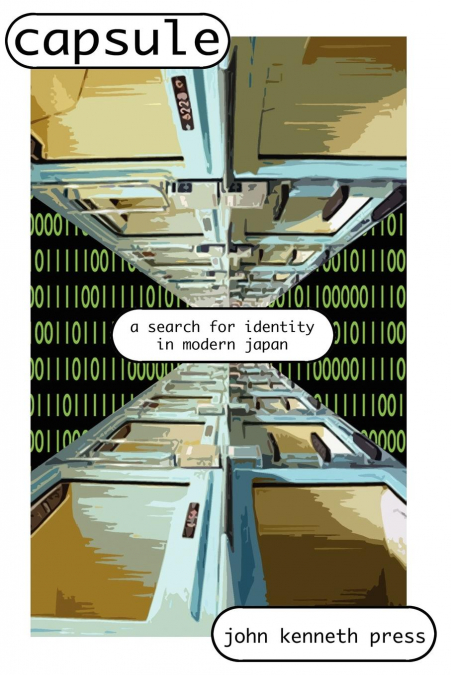
  • Capsule
    John Kenneth Press
    Join John and Adam as they wander the mean streets of Japan on a psychedelic fueled search for identity. While fun for the average reader, this book could also serve as a philosphy textbook because of its ordered exploration of sources of identity. Ultimately this trip through nationalist attacks, sex, and drugs, will take you to a better understanding of yourself and your pl...
    Disponible

    11,51 €

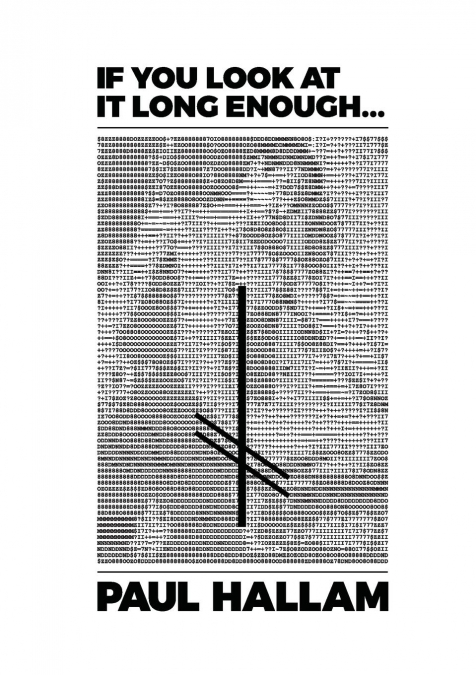
  • If you look at it long enough...
    Paul Hallam
    Originally written for an academic journal, If you look at it long enough... is primarily a personal account of Paul Hallam’s recollections of “self-abuse” through the consumption of porn over several decades. Challenging the familiar form of an “academic essay,” this autobiographical narrative raises several questions in relation to our contemporary morals related to sex in ge...
    Disponible

    11,30 €

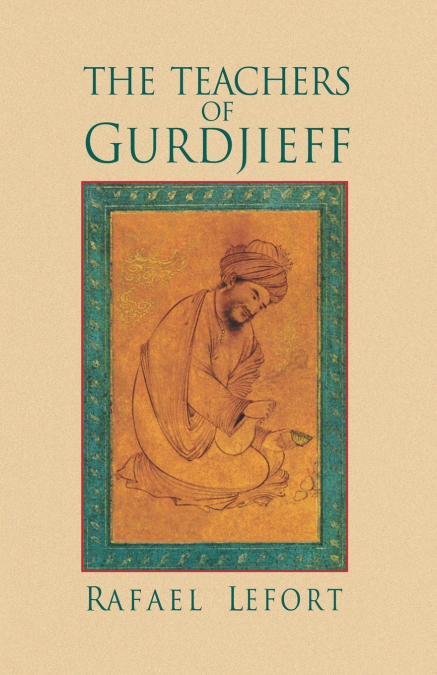
  • The Teachers of Gurdjieff
    Rafael Lafort / Rafael Lefort
    When The Teachers of Gurdjieff was first published more than 50 years ago, it made a considerable stir. George Ivanovich Gurdjieff had been one of the most famous mystics in the West in the first half of the 20th century - a teaching master who had many fashionable and influential pupils. He had a striking appearance and manner of teaching, and his teaching proved to be very in...
    Disponible

    20,45 €

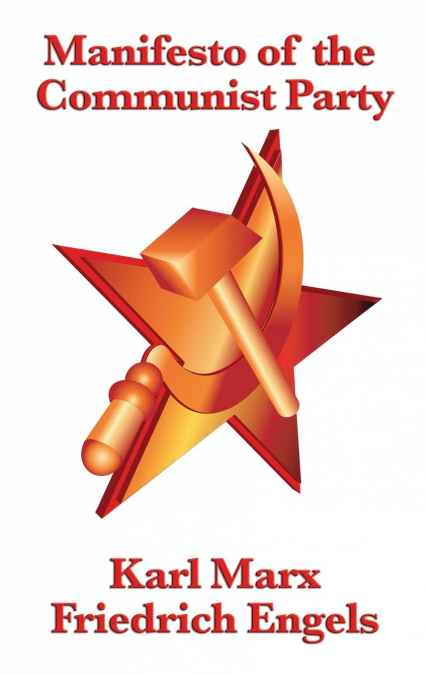
  • Manifesto of the Communist Party
    Karl Marx
    The Communist Manifesto was first published on February 21, and it is one of the world’s most influential political tracts. Commissioned by the Communist League and written by communist theorists Karl Marx and Friedrich Engels, it laid out the League’s purposes and program. The Manifesto suggested a course of action for a proletarian (working class) revolution to overthrow the ...
  • The Art of Literature
    Arthur Schopenhauer
    Collected here are eight short essays, On Authorship, On Style, On the Study of Latin, On Men of Learning, On Thinking for Ones Self, On Criticism, On Reputation, On Genius, by the world renowned philosopher Arthur Achopenhauer. ...