Inicio > Medicina > Medicina clínica e interna > Enfermedades y trastornos > Ensemble Model for Forecasting Infectious Diseases
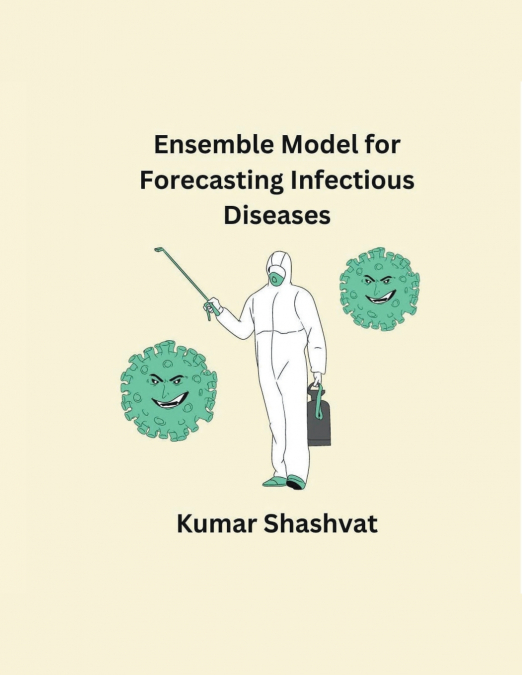
Ensemble Model for Forecasting Infectious Diseases

Ensemble Model for Forecasting Infectious Diseases

Kumar Shashvat

32,55 €
IVA incluido
Consulta disponibilidad
Editorial:
Draft2Digital
Año de edición:
2023
Materia
Enfermedades y trastornos
ISBN:
9798215200117

Selecciona una librería:

  • Librería Desdémona
  • Librería Samer Atenea
  • Librería Aciertas (Toledo)
  • Kálamo Books
  • Librería Perelló (Valencia)
  • Librería Elías (Asturias)
  • Donde los libros
  • Librería Kolima (Madrid)
  • Librería Proteo (Málaga)

The Vector borne diseases have become the most widespread diseases worldwide, making them a threat to the society. According to a report by WHO the vector borne diseases like malaria, dengue and chikungunya are one of the most common, epidemic diseases in most cities and states. Many scientists to develop new models for forecasting as well as the prediction of number of cases for these deadly epidemic diseases by various regression models. Every year there are thousands of deaths due to these vector borne diseases. Vector-borne diseases are human illness caused by parasites, viruses and bacteria which are transmitted by mosquitoes, sand flies, bugs, mites, nails and lice. Every year there are more than 70,000 deaths from diseases such as dengue, malaria, yellow fever and Japanese encephalitis globally. The major vector borne diseases account 17% of all the infectious diseases. The burdens of these diseases are high especially in the tropical and subtropical areas and they affect the poorest population. Since 2014, a major outbreak of dengue, malaria and Zika virus have affected the majority of populations in South Asia and overwhelmed the health systems in various countries. The determination of vector borne diseases is determined by complex demographic, environmental and social factors. Global trade, travel, unplanned urbanization and climate change can impact on pathogen transmission, making transmission season longer or causing diseases to emerge in Countries where they were previously unknown.
Artículos relacionados

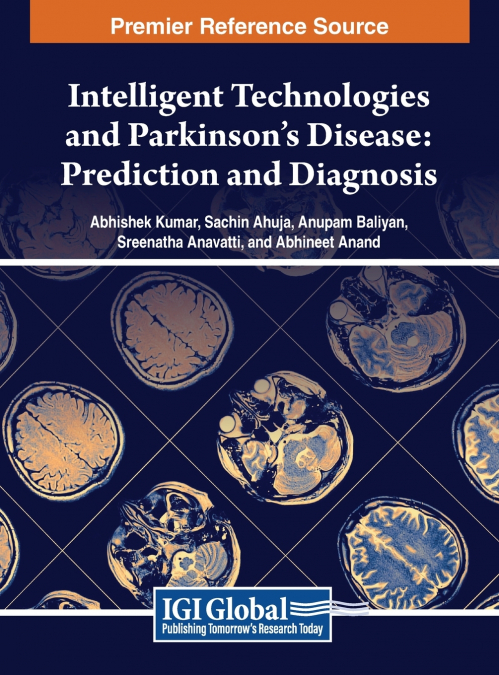
  • Intelligent Technologies and Parkinson’s Disease
    When it comes to Parkinson’s disease, one of the most important issues revolves around early detection and accurate diagnosis. The intricacies of this neurodegenerative disorder often elude timely identification, leaving patients and healthcare providers grappling with its progressive symptoms. Ethical concerns surrounding the use of machine learning to aid in diagnosis further...
    Disponible

    479,72 €

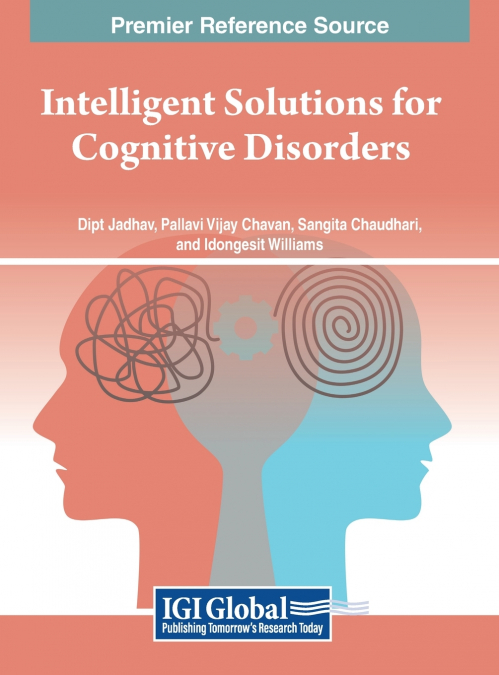
  • Intelligent Solutions for Cognitive Disorders
    Cognitive disorders are a growing concern, affecting individuals across the age spectrum and society. These disorders can profoundly disrupt daily life, and their timely diagnosis is crucial for effective intervention and care. As the prevalence of cognitive disorders continues to rise, the need for precise and early diagnosis has never been more pressing. Intelligent Solutions...
    Disponible

    480,32 €

  • Gene Amplification Techniques for Detection and Identification of West Nile Virus
    Priyanka Singh Tomar
    The current evolution of West Nile Virus (WNV) disease with increase in the frequency, number and severity of cases in many countries reveal that new epidemiological scenarios are being appeared all across the world. The first United States (US) outbreak of WNV occurred in New York City in 1999; 68 human infections, mostly as encephalitis and meningitis were reported, resulting...
  • Phased Array Applicator for Hyperthermia Treatment of Locally Advanced Breast Cancer
    Divya B.
    Breast cancer is the most commonly diagnosed female cancer and is the major cause of morbidity and mortality among women worldwide. Cancer statistics in developed countries such as the United States of America report that about 12% of women in their general population will develop breast cancer sometime during their lives and it represents nearly 23% of all cancers in the Ameri...
  • The Role of Health Literacy in Major Healthcare Crises
    The COVID-19 pandemic clearly shows the vital role of accurate and reliable information in public health. Health literacy addresses not only patient needs but also the needs of the general population, who must not only comply with advice and instructions but also understand the severity of health crises and respond accordingly. A variety of crises imposed on healthcare systems ...
    Disponible

    308,19 €

  • The Role of Health Literacy in Major Healthcare Crises
    The COVID-19 pandemic clearly shows the vital role of accurate and reliable information in public health. Health literacy addresses not only patient needs but also the needs of the general population, who must not only comply with advice and instructions but also understand the severity of health crises and respond accordingly. A variety of crises imposed on healthcare systems ...
    Disponible

    235,81 €