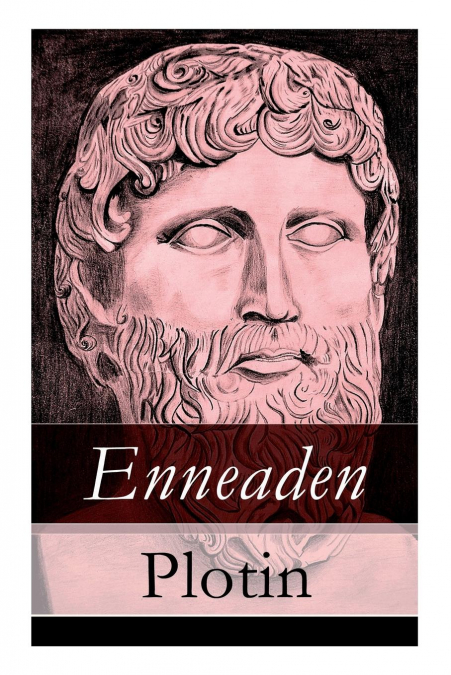
Enneaden

Enneaden

Hermann Friedrich Müller / Plotin

19,18 €
IVA incluido
Disponible
Editorial:
e-artnow
Año de edición:
2017
Materia
Ética y filosofía moral
ISBN:
9788026856511
19,18 €
IVA incluido
Disponible

Selecciona una librería:

  • Librería Samer Atenea
  • Librería Aciertas (Toledo)
  • Kálamo Books
  • Librería Perelló (Valencia)
  • Librería Elías (Asturias)
  • Donde los libros
  • Librería Kolima (Madrid)
  • Librería Proteo (Málaga)

Plotin vertrat einen radikalen idealistischen Monismus (Zurückführung aller Phänomene und Vorgänge auf ein einziges immaterielles Grundprinzip). Das Ziel seiner philosophischen Bemühungen bestand in der Annäherung an das 'Eine', das Grundprinzip der gesamten Wirklichkeit, bis hin zur Erfahrung der Vereinigung mit dem Einen. Der den Sinnen unzugängliche Teil der Gesamtwirklichkeit gliedert sich nach seiner Lehre in drei Bereiche: das Eine, den absoluten, überindividuellen Geist (nous oder nus) samt den platonischen Ideen und das Seelische (Weltseele und andere Seelen). Die sinnlich wahrnehmbare Welt ist das Ergebnis einer Einwirkung aus der geistigen Welt auf die formlose Urmaterie, in der dadurch die Gestalten der verschiedenen Sinnesobjekte in Erscheinung treten. Das Eine bleibt somit einem verstandesmäßigen, diskursiven Begreifen prinzipiell entzogen. Außerdem meint er, es gebe einen übervernünftigen Zugang zum Einen, da es erlebt werden könne. Dies werde möglich, wenn man sich nach innen wende und nicht nur das Sinnliche, sondern auch alles Geistige hinter sich lasse. Einen solchen Vollzug der Annäherung an das Eine und Vereinigung mit ihm hat Plotin als wiederholtes Erlebnis für sich selbst in Anspruch genommen. Wegen seiner Behauptung, es gebe eine das Denken übersteigende Erfahrung einer höchsten Wirklichkeit, wird Plotin oft als Mystiker bezeichnet. Plotin (205-270) war ein antiker Philosoph. Er war der Begründer und bekannteste Vertreter des Neuplatonismus. Seine Ausbildung erhielt er in Alexandria bei Ammonios Sakkas, von dem er maßgebliche Impulse empfing. Ab 244 lebte er in Rom, wo er eine Philosophenschule gründete, die er bis zu seiner tödlichen Erkrankung leitete. In Kreisen der politischen Führungsschicht des Römischen Reichs erlangte er hohes Ansehen. 3

Artículos relacionados

  • Ka Ab Ba Building The Lighted Temple
    Dr Terri R. Nelson / Dr Terri RNelson
    The book KaAbBa Building The Lighted Temple/Metaphysical Keys to the Tree of Life draws a circle that is inclusive of the Afrikan origin of the Ancient Kemetic/Egyptian wisdom. It reveals the undeniable root and link of Ancient Africa to all the religious systems that would develop worldwide. This book is explosive in its power to convey the meaning of KaAbBa, the Medu Neter  (...
    Disponible

    37,41 €

  • Technoethics and the Evolving Knowledge Society
    Rocci Luppicini
    Recently, there has been a major push to rediscover the ethical dimension of technology across the sciences, social sciences, and humanities. Technoethics and the Evolving Knowledge Society: Ethical Issues in Technological Design, Research, Development, and Innovation examines human processes and practices connected to technology embedded within social, political, and moral sph...
    Disponible

    236,22 €

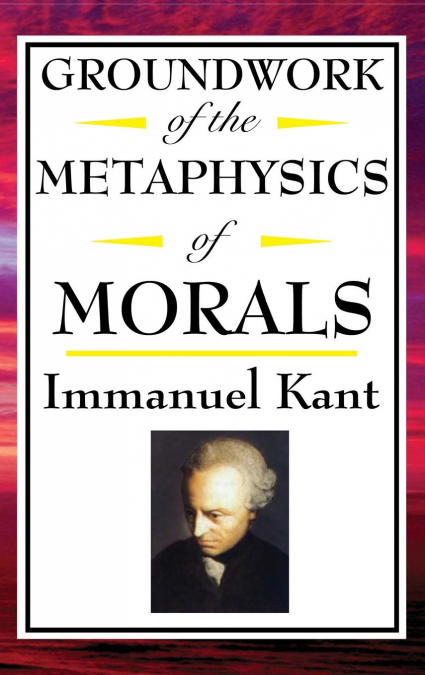
  • Kant
    Immanuel Kant
    Kant’s Groundwork of the Metaphysics of Morals is one of the most important works in modern moral philosophy. It belongs beside Plato, Aristotle, Machiavelli, and Hobbes. Here Kant sets out to articulate and defend the Categorical Imperative - the fundamental principle that underlies moral reasoning - and to lay the foundation for a comprehensive account of justice and human vi...
    Disponible

    20,26 €

  • On the Duty of Civil Disobedience
    HENRY DAVID THOREAU
    Civil Disobedience argues that citizens should not permit their governments to overrule their consciences, and that they have a duty to avoid allowing their acquiescence to enable the government to make them the agents of injustice. Thoreau was motivated in part by his disgust with slavery and the Mexican-American War, but the sentiments he expresses here are just as pertinent ...
    Disponible

    17,75 €

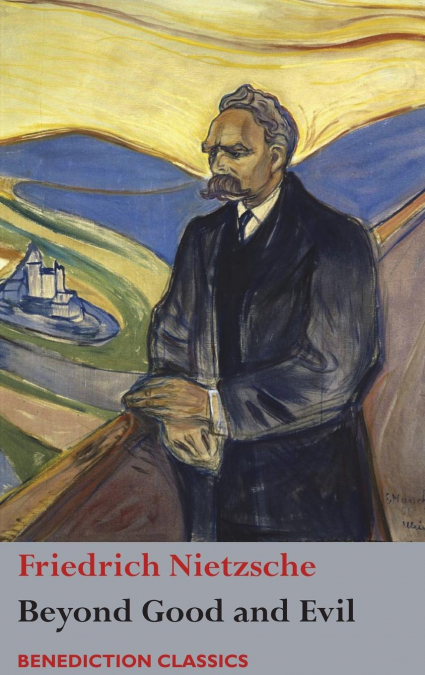
  • Beyond Good and Evil
    Friedrich Nietzsche
    Nietzsche, though primarily a philosopher, wrote widely on art, philology, history, religion, tragedy, culture, and science.  In 1886, at the height of his powers, he published Beyond Good and Evil.  Here he examines much of the best of human thought--dogmatic philosophy, Judeo-Christian morality, science and democracy – and finds it lacking.  Rejecting “slave-morality” he pres...
    Disponible

    21,70 €

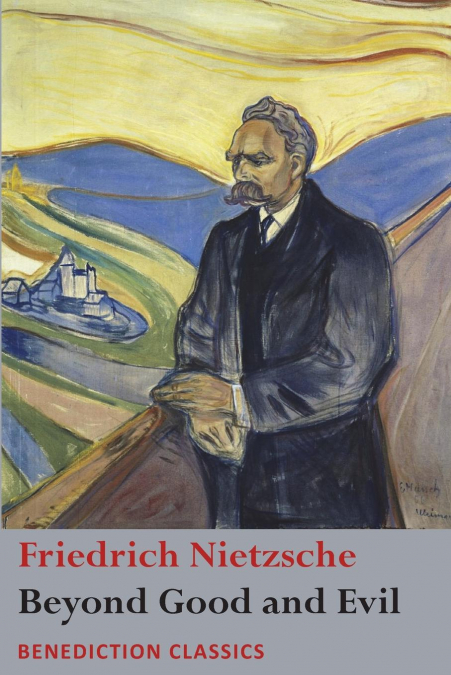
  • Beyond Good and Evil
    Friedrich Nietzsche
    Nietzsche, though primarily a philosopher, wrote widely on art, philology, history, religion, tragedy, culture, and science.  In 1886, at the height of his powers, he published Beyond Good and Evil.  Here he examines much of the best of human thought--dogmatic philosophy, Judeo-Christian morality, science and democracy – and finds it lacking.  Rejecting “slave-morality” he pres...
    Disponible

    9,99 €