
Inicio > Matemáticas y ciencia > Química > Química física > Electrochemistry of Silicon and Its Oxide
Electrochemistry of Silicon and Its Oxide

Electrochemistry of Silicon and Its Oxide

Xiaoge Gregory Zhang

309,19 €
IVA incluido
Consulta disponibilidad
Editorial:
Springer Nature B.V.
Año de edición:
2001
Materia
Química física
ISBN:
9780306465413

Selecciona una librería:

  • Librería Samer Atenea
  • Librería Aciertas (Toledo)
  • Kálamo Books
  • Librería Perelló (Valencia)
  • Librería Elías (Asturias)
  • Donde los libros
  • Librería Kolima (Madrid)
  • Librería Proteo (Málaga)

It may be argued that silicon, carbon, hydrogen, oxygen, and iron are among the most important elements on our planet, because of their involvement in geological, biol- ical, and technological processes and phenomena. All of these elements have been studied exhaustively, and voluminous material is available on their properties. Included in this material are numerous accounts of their electrochemical properties, ranging from reviews to extensive monographs to encyclopedic discourses. This is certainly true for C, H, O, and Fe, but it is true to a much lesser extent for Si, except for the specific topic of semiconductor electrochemistry. Indeed, given the importance of the elect- chemical processing of silicon and the use of silicon in electrochemical devices (e. g. , sensors and photoelectrochemical cells), the lack of a comprehensive account of the electrochemistry of silicon in aqueous solution at the fundamental level is surprising and somewhat troubling. It is troubling in the sense that the non-photoelectrochemistry of silicon seems 'to have fallen through the cracks,' with the result that some of the electrochemical properties of this element are not as well known as might be warranted by its importance in a modern technological society. Dr. Zhang’s book, Electrochemical Properties of Silicon and Its Oxide, will go a long way toward addressing this shortcoming. As with his earlier book on the elect- chemistry of zinc, the present book provides a comprehensive account of the elect- chemistry of silicon in aqueous solution.
Artículos relacionados

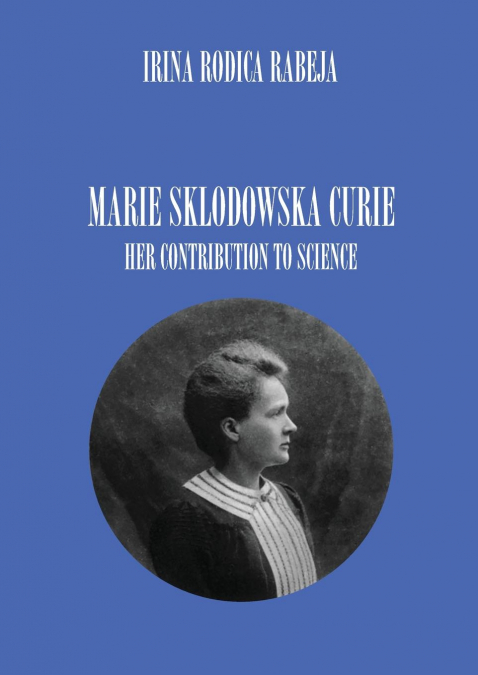
  • MARIE SKLODOWSKA CURIE
    Irina Rodica Rabeja
    Marie Sklodowska Curie (7 November 1867 – 4 July 1934) was one of the greatest scientific minds that brought a fundamental contribution in science opening the door to the understanding/knowledge of the structure of the atom in the 20th century.                 Marie Sklodowska Curie’s hypothesis that the spontaneous emission of powerful rays by some chemical elements, emission ...
    Disponible

    89,28 €

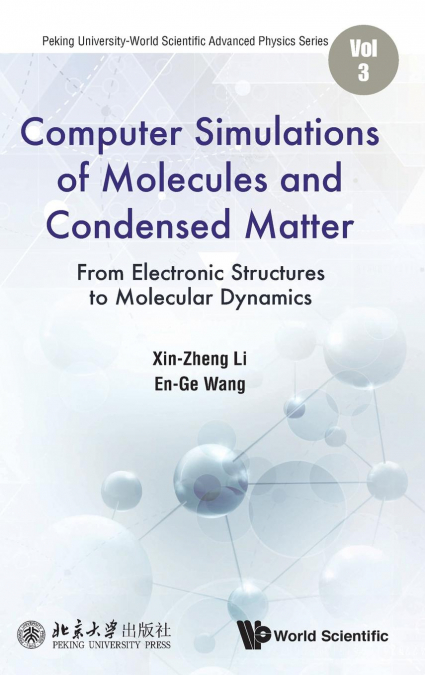
  • COMPUTER SIMULATIONS OF MOLECULES AND CONDENSED MATTER
    En-Ge Wang / LI XIN-ZHENG / Xin-Zheng Li / XIN-ZHENG LI & EN-GE WANG
    This book provides a relatively complete introduction to the methods used in computational condensed matter. A wide range of electronic structure theories are introduced, including traditional quantum chemistry methods, density functional theory, many-body perturbation theory, and more. Molecular dynamics simulations are also discussed, with extensions to enhanced sampling and ...
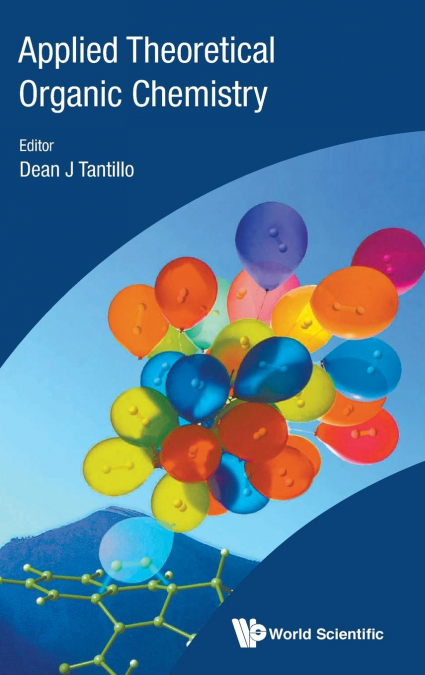
  • APPLIED THEORETICAL ORGANIC CHEMISTRY
    DEAN J TANTILLO / TANTILLO DEAN J
    This book provides state-of-the-art information on how studies in applied theoretical organic chemistry are conducted. It highlights the many approaches and tools available to those interested in using computational chemistry to predict and rationalize structures and reactivity of organic molecules. Chapters not only describe theoretical techniques in detail, but also describe ...
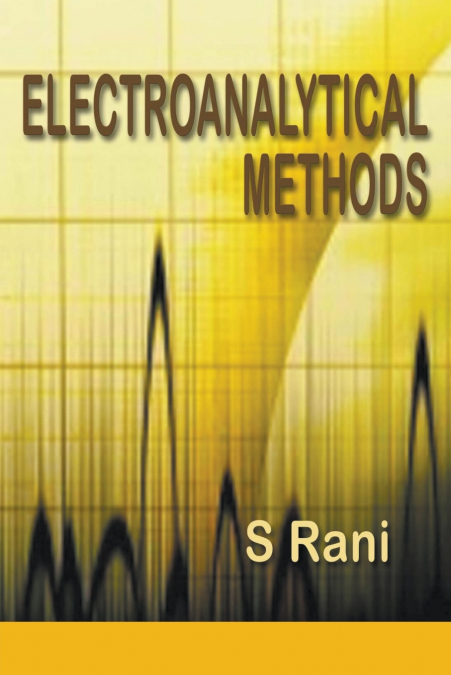
  • ELECTROANALYTICAL METHODS
    S Rani
    'Electroanalytical Methods' is a pivotal text that offers a comprehensive exploration of electrochemistry and its numerous applications across a wide array of scientific disciplines, including earth science, life science, physical science, biochemistry, and pharmaceutical chemistry. This book is an invaluable resource for chemistry graduates, underlining the increasing necessit...
    Disponible

    18,75 €

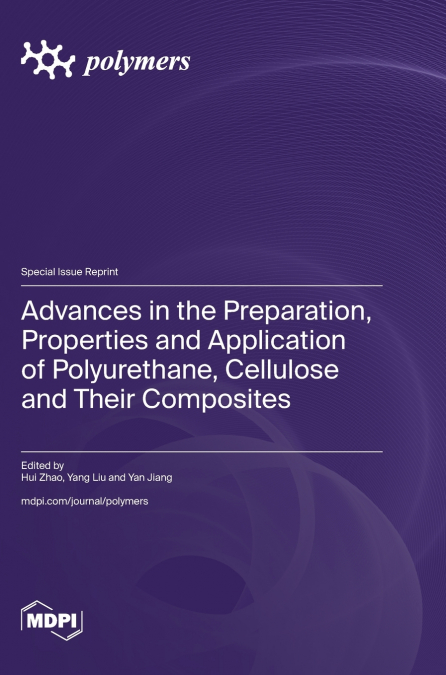
  • Advances in the Preparation, Properties and Application of Polyurethane, Cellulose and Their Composites
    Due to their excellent properties, polyurethane, cellulose and their composites have become widely used in previously unimagined areas. Given the fast-increasing consumption in recent years, the demand for advanced polyurethane- and cellulose-based composites is rapidly growing. Accordingly, this Special Issue seeks to showcase research papers, short communications and review a...
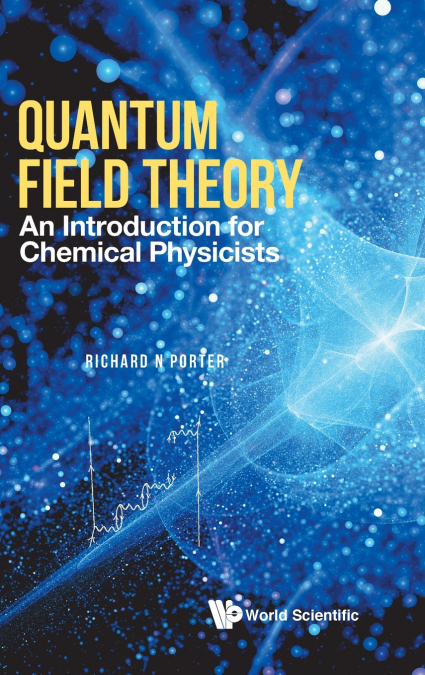
  • QUANTUM FIELD THEORY
    PORTER RICHARD N / RICHARD N PORTER
    This introduction to quantum field theory (QFT) is written by a physical chemist for physical chemists, chemical physicists, and other non-physicists with knowledge of quantum theory but who want to explore ways in which they might use the power of QFT in their investigations. This book starts where many graduate courses in quantum theory that are offered to chemistry students ...

Otros libros del autor

  • Corrosion and Electrochemistry of Zinc
    Xiaoge Gregory Zhang
    Humankind’s use of zinc stretches back to antiquity, and it was a component in some of the earliest known alloy systems. Even though metallic zinc was not 'discovered' in Europe until 1746 (by Marggral), zinc ores were used for making brass in biblical times, and an 87% zinc alloy was found in prehistoric ruins in Transylvania. Also, zinc (the metal) ...
    Disponible

    406,89 €

  • Electrochemistry of Silicon and Its Oxide
    Xiaoge Gregory Zhang
    It may be argued that silicon, carbon, hydrogen, oxygen, and iron are among the most important elements on our planet, because of their involvement in geological, biol- ical, and technological processes and phenomena. All of these elements have been studied exhaustively, and voluminous material is available on their properties. Included in this materi...
    Disponible

    308,66 €

  • Corrosion and Electrochemistry of Zinc
    Xiaoge Gregory Zhang
    Humankind’s use of zinc stretches back to antiquity, and it was a component in some of the earliest known alloy systems. Even though metallic zinc was not 'discovered' in Europe until 1746 (by Marggral), zinc ores were used for making brass in biblical times, and an 87% zinc alloy was found in prehistoric ruins in Transylvania. Also, zinc (the metal) ...