Inicio > Humanidades > Historia > El sello real en el Perú colonial: poder y representación en la distancia
El sello real en el Perú colonial: poder y representación en la distancia

El sello real en el Perú colonial: poder y representación en la distancia

Julio Alberto Ramírez Barrios

20,28 €
IVA incluido
Disponible
Editorial:
Fondo Ed. Pontificia Uni. Católica del Perú
Año de edición:
2021
Materia
Historia
ISBN:
9786123176358
20,28 €
IVA incluido
Disponible

Selecciona una librería:

  • Librería Samer Atenea
  • Librería Aciertas (Toledo)
  • Kálamo Books
  • Librería Perelló (Valencia)
  • Librería Elías (Asturias)
  • Donde los libros
  • Librería Kolima (Madrid)
  • Librería Proteo (Málaga)

Empezad, pues, a exercer la potestad que os cometo; este es mi Sello Real, por él han de obedeceros1. Con estas palabras el rey de Creta nombraba como gobernador del reino al legislador espartano Licurgo, cediéndole su signo más distintivo y personal, su sello, gracias al cual se haría obedecer por los vasallos, pues encerraba en sí la potestad de quien representaba, y por ello, se constituía en un instrumento esencial para el gobierno. La mención al sello real en este breve pasaje de la comedia El dueño de las estrellas, obra del dramaturgo novohispano Juan Ruiz de Alarcón, no debe interpretarse como un simple recurso literario de su autor, sino como expresión y reconocimiento de la importancia de que gozaba este singular símbolo regio. Ruiz de Alarcón era perfecto conocedor del valor de los sellos reales, pues, además de dramaturgo, desempeñó el cargo de relator del Consejo de Indias por su amistad con Ramiro Núñez de Guzmán, yerno del conde duque de Olivares y su sucesor como Canciller y Registrador Perpetuo de las Audiencias de Indias2. Unas instituciones, Consejo de Indias y Reales Audiencias, que estaban unidas al sello de forma connatural. 4

Artículos relacionados

  • Raising Freedom's Banner
    Paul Harris
    World wide history of peaceful street demonstrations from their earliest beginning in eighteenth century England to their use throughout the world in the twenty-first century. Describes why some demonstration movements succeeded and others failed. Contrasts demonstrations within the law with civil disobedience demonstrations. Describes Peterloo, the Chartists, the Suffragettes,...
    Disponible

    23,59 €

  • Waipi’o Valley
    Jeffrey L. Gross
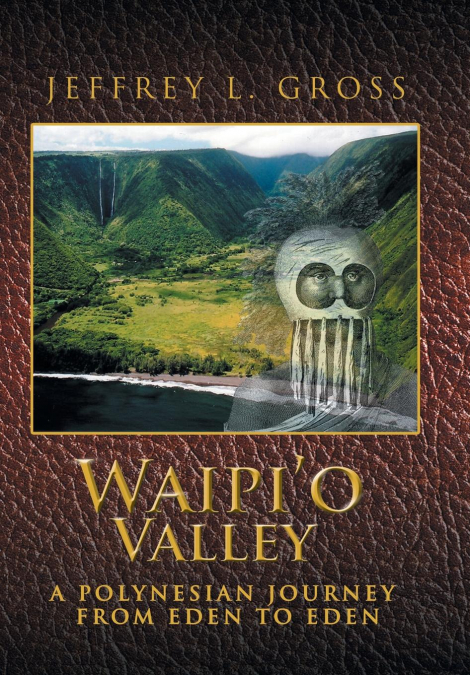
    Waipi’o Valley: A Polynesian Journey from Eden to Eden recounts the remarkable migrations of the Polynesians across a third of the circumference of the earth. Their amazing journey began from Kalana i Hau’ola, the biblical “Garden of Eden” located along the shore of the Persian Gulf, extended to the Indus River Valley of ancient Vedic India, to Egypt where some ancestors of the...
  • Floralia
    June Rainsford Butler
    A century characterized by a growing interest in science, the opportunity for travel, and leisure for gardening furnishes the setting for Butler’s book. The rise of landscape gardening in England is traced, and the origin and history of its most famous gardens are given. The close relation between England and America in the field of horticulture is also discussed.Originally pub...
    Disponible

    61,20 €

  • President Wilson’s Addresses
    Woodrow Wilson
    'These addresses of President Woodrow Wilson are almost entirely concerned with political affairs, and more specifically with defining Americanism. Yet they also show that even as he moved from academia to the heights of politics, Wilson retained something of the teacher’s interest in showing the relation between specific instances and the general forms of thought or action of ...
  • The Story of my Life
    John Albert Macy
    The Story of My Life, is Helen Keller’s autobiography detailing her early life, especially her experiences with Anne Sullivan. The book is dedicated to inventor Alexander Graham Bell. The dedication reads, 'To ALEXANDER GRAHAM BELL Who has taught the deaf to speak and enabled the listening ear to hear speech from the Atlantic to the Rockies, I dedicate this Story of My Life.' ...
  • The Story of My Life Vol. 6 Spanish Passions
    Giacomo Casanova
    Casanova was an Italian adventurer and author from the Republic of Venice. His autobiography, Histoire de ma vie (Story of My Life), is regarded as one of the most authentic sources of the customs and norms of European social life during the 18th century. He has become so famous for his often complicated and elaborate affairs with women that his name is now synonymous with 'wom...

Otros libros del autor

  • El sello real en el Perú colonial: poder y representación en la distancia
    Julio Alberto Ramírez Barrios
    Empezad, pues, a exercer la potestad que os cometo; este es mi Sello Real, por él han de obedeceros1. Con estas palabras el rey de Creta nombraba como gobernador del reino al legislador espartano Licurgo, cediéndole su signo más distintivo y personal, su sello, gracias al cual se haría obedecer por los vasallos, pues encerraba en sí la potestad de quien representaba, y por ello...