
Inicio > Derecho > Teoría general del derecho > El decreto-ley en España: un Gobierno legislando con pocas garantías
El decreto-ley en España: un Gobierno legislando con pocas garantías

El decreto-ley en España: un Gobierno legislando con pocas garantías

Juan Carlos Calomarde García

15,00 €
IVA incluido
Disponible
Editorial:
APEIRON
Año de edición:
2021
Materia
Teoría general del derecho
ISBN:
9788412446425
15,00 €
IVA incluido
Disponible

Selecciona una librería:

  • Librería Samer Atenea

  • Kálamo Books
  • Librería Elías (Asturias)
  • Librería Kolima (Madrid)
  • Librería Proteo (Málaga)

El presente trabajo analiza los problemas más importantes que presenta el decreto-ley en España. De esta manera, tras una primera aproximación histórica y conceptual, se aborda de modo detallado la legislación de urgencia en el Derecho español. Eso sí, albergando también un breve estudio comparado sobre el tratamiento que recibe esta misma figura en otros países. A continuación, se acomete la parte crítica que pivota principalmente sobre la siguiente cuestión: ¿por qué el Gobierno puede aprobar normas con rango o fuerza de ley si no cuenta con potestad legislativa? Es más, el decreto-ley sitúa al ejecutivo en una posición de superioridad, ya que impide al legislador presentar enmiendas al texto, salvo que lo haga con posterioridad. Además, este recurso está diseñado para ser usado por un órgano (Gobierno) no elegido directamente por la ciudadanía, lo que implica que su legitimidad sea distinta a la de las Cortes Generales.

Artículos relacionados

  • EU General Data Protection Regulation (GDPR)
    IT Governance Privacy Team
    An in-depth guide to complying with the EU GDPR.Now in its second edition, EU GDPR – An Implementation and Compliance Guide is a clear and comprehensive guide to this new data protection law, providing a detailed commentary on the Regulation, and setting out the obligations of data  processors and controllers in clear and comprehensible terms.Read this book to learn: How the ...
    Disponible

    33,34 €

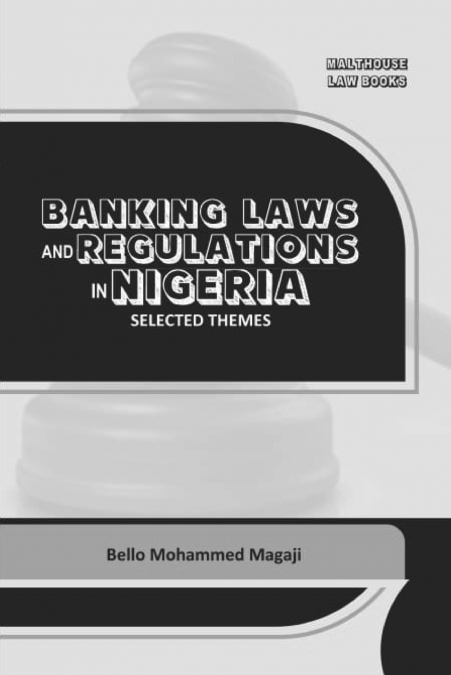
  • Banking Laws and Regulations in Nigeria
    Bello Mohammed Magaji
    Banking Law and Regulations in Nigeria: Selected Themes essentially deals with the laid down rules or code of conduct meant to control and set standards for banking business. Indeed, the main aim of the ongoing banking reforms in Nigeria, started in 2004, is to ensure banks’ conformity to the laid down banking rules and regulations. The eleven-chapter book contains vital and ri...
    Disponible

    46,32 €

  • States and the Interpretation of Treaties
    Dimitris Liakopoulos
    States and the Interpretation of Treaties opens with a provocative reconsideration of a debate on the subject of comparative international legal obligations by the United Nations’s International Law Commission. In this book, distinguished Tufts University legal scholar Dimitris Liakopoulos identifies and explores relevant considerations in the work of the Commission and offers ...
  • The role of customs in international treaties
    Dimitris Liakopoulos
    The Role of Customs in International Treaties concentrates on issues of friction between member states of the United Nations. In view of the role played by the United Nations in resolving international disputes, Dimitris Liakopoulos hypothesizes that 'practical guides' based on custom often catalyze the positions taken by states, courts, scholars, and other actors, constituting...
  • Debtor protection in American and European Union bankruptcy law
    Dimitris Liakopoulos
    In Debtor Protection in American and European Union Bankruptcy Law, international law scholar Dimitris Liakopulos raises a delicate issue at the foundations of the modern banking system by analyzing US bankruptcy law with a focus on the concept of automatic stay. His work identifies legal sources and authorities having repercussions in terms of operational protection. It then e...
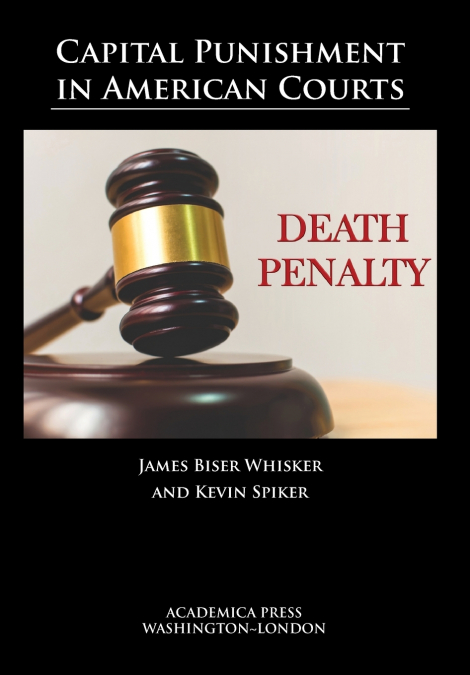
  • Capital punishment in American courts
    James Biser Whisker / Kevin Spiker
    In the 400 years since the first known execution was carried out for treason in Virginia, American jurisdictions have debated both the appropriateness and methods of capital punishment. Over that time, courts have placed varying restrictions on its application, excluding categories of citizens (for example the insane or the underaged) and evaluating and excluding methods of exe...