Inicio > Humanidades > Historia > El colegio de la unión
El colegio de la unión

El colegio de la unión

Antonio Casanueva de Luis

15,00 €
IVA incluido
Disponible
Editorial:
Bohodón Ediciones S.L.
Año de edición:
2016
Materia
Historia
ISBN:
9788416893379
15,00 €
IVA incluido
Disponible

Selecciona una librería:

  • Librería Samer Atenea
  • Librería Aciertas (Toledo)
  • Kálamo Books
  • Librería Perelló (Valencia)
  • Librería Elías (Asturias)
  • Donde los libros
  • Librería Kolima (Madrid)
  • Librería Proteo (Málaga)

El Colegio de Huérfanas de la Unión fue fundado en el año 1835 mediante un Real Decreto firmado en El Pardo por la Reina Gobernadora, Dña. María Cristina de Borbón, viuda de Fernando VII. En la Exposición de Motivos de dicho Real Decreto el Ministro de la Gobernación explicaba las razones que movieron al Gobierno y a la soberana a dictar esta norma: dar cobijo y educación a las huérfanas de los patriotas caídos en defensa del trono isabelino.Sus sedes más importantes estuvieron primero en Aranjuez, en la Casa de Infantes y en la Casa de Frutería, y después en la finca de Vista Alegre, en Carabanchel Bajo, ocupando parte de las instalaciones que fueron propiedad del Marqués de Salamanca y que el Estado adquirió en 1886.En los primeros años la educación que recibían las huérfanas era la más adecuada para formarlas como unas honradas y laboriosas madres de familia, “inculcándoles los principios más sanos de religión y de moral, inspirándolas amor al trabajo y a la virtud, y haciéndolas apreciar el beneficio que reciben, y la deuda de gratitud que contraen por la educación e instrucción que se les proporciona”, una enseñanza entre lancasteriana y pestalozziana dirigida por la Junta de Damas de Honor y Mérito. Pero, más adelante, el modelo educativo del Colegio, diseñado en el siglo XIX y renovado en el siglo XX, en manos de las Hijas de la Caridad, entró en contradicción con los nuevos planteamientos ideológicos de la enseñanza oficial hasta hacer inviable su existencia, cuando el Estado generalizó la educación, la hizo gratuita y estableció los derechos del alumnado y del profesorado.La protección de las hijas de los militares fallecidos en conflictos bélicos era su razón de ser, y con la paz su objeto fundacional se diluyó en una sociedad democrática avanzada, y a nadie interesó defender su historia y rescatarlo de su fatal destino. El Colegio de la Unión se cerró en 1986, tras una corta historia en común con el Albergue María Cristina, como “Colegio nacional de niñas Albergue María Cristina-Colegio Huérfanas de la Unión”. 10
Artículos relacionados

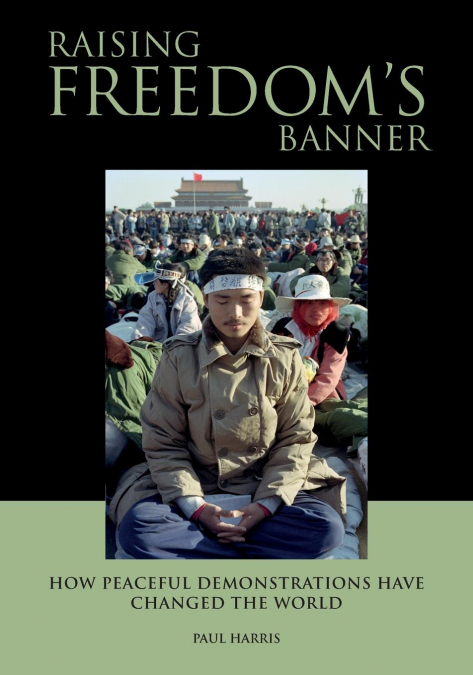
  • Raising Freedom's Banner
    Paul Harris
    World wide history of peaceful street demonstrations from their earliest beginning in eighteenth century England to their use throughout the world in the twenty-first century. Describes why some demonstration movements succeeded and others failed. Contrasts demonstrations within the law with civil disobedience demonstrations. Describes Peterloo, the Chartists, the Suffragettes,...
    Disponible

    23,59 €

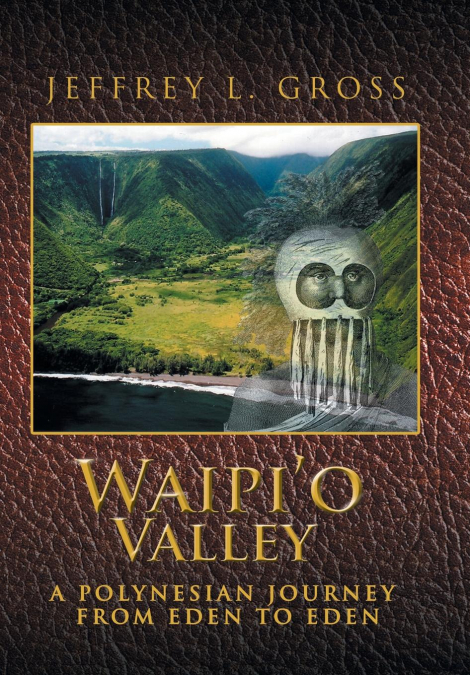
  • Waipi’o Valley
    Jeffrey L. Gross
    Waipi’o Valley: A Polynesian Journey from Eden to Eden recounts the remarkable migrations of the Polynesians across a third of the circumference of the earth. Their amazing journey began from Kalana i Hau’ola, the biblical “Garden of Eden” located along the shore of the Persian Gulf, extended to the Indus River Valley of ancient Vedic India, to Egypt where some ancestors of the...
  • Floralia
    June Rainsford Butler
    A century characterized by a growing interest in science, the opportunity for travel, and leisure for gardening furnishes the setting for Butler’s book. The rise of landscape gardening in England is traced, and the origin and history of its most famous gardens are given. The close relation between England and America in the field of horticulture is also discussed.Originally pub...
    Disponible

    61,20 €

  • President Wilson’s Addresses
    Woodrow Wilson
    'These addresses of President Woodrow Wilson are almost entirely concerned with political affairs, and more specifically with defining Americanism. Yet they also show that even as he moved from academia to the heights of politics, Wilson retained something of the teacher’s interest in showing the relation between specific instances and the general forms of thought or action of ...
  • The Story of my Life
    John Albert Macy
    The Story of My Life, is Helen Keller’s autobiography detailing her early life, especially her experiences with Anne Sullivan. The book is dedicated to inventor Alexander Graham Bell. The dedication reads, 'To ALEXANDER GRAHAM BELL Who has taught the deaf to speak and enabled the listening ear to hear speech from the Atlantic to the Rockies, I dedicate this Story of My Life.' ...
  • The Story of My Life Vol. 6 Spanish Passions
    Giacomo Casanova
    Casanova was an Italian adventurer and author from the Republic of Venice. His autobiography, Histoire de ma vie (Story of My Life), is regarded as one of the most authentic sources of the customs and norms of European social life during the 18th century. He has become so famous for his often complicated and elaborate affairs with women that his name is now synonymous with 'wom...