

 Librería Samer Atenea
 Kálamo Books
 Librería Elías (Asturias)
 Librería Kolima (Madrid)
 Librería Proteo (Málaga)
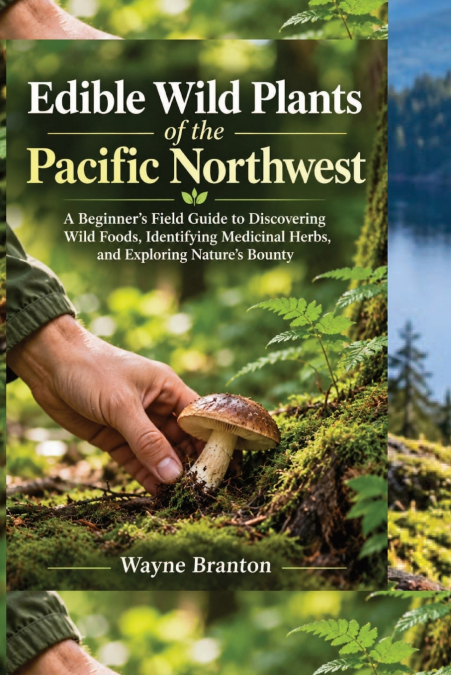
Discover the Wild Foods of the Pacific NorthwestThe forests, coastlines, meadows, and mountain trails of the Pacific Northwest are home to an amazing variety of wild plants, berries, mushrooms, and other natural foods. Learning to recognize them can make a walk in the woods more interesting and open up a whole new way to appreciate the outdoors.But successful foraging takes more than simply knowing what looks edible. You need to understand where wild foods grow, when they are available, how to identify them correctly, and how to harvest them responsibly.Foraging the Pacific Northwest introduces you to the region’s wild foods and helps you develop the knowledge to explore nature with greater confidence. Whether you are a beginner or already enjoy spending time outdoors, this guide will help you discover more about the plants and fungi growing around you.What You’ll Discover InsideWild Edible Plants: Learn about edible plants found in the Pacific Northwest and the features that can help you recognize them in their natural surroundings.Wild Berries and Fruits: Explore seasonal berries and other wild fruits, including where they grow and when you may find them.Mushrooms and Fungi: Discover the fascinating world of wild mushrooms and learn why careful identification is essential before considering any mushroom for consumption.Seasonal Foraging: Understand how the seasons influence the availability of wild foods and what to look for at different times of the year.Habitats and Growing Locations: Learn about the environments where wild foods may be found, from forest floors and woodland edges to meadows and coastal areas.Safe and Responsible Harvesting: Understand the importance of avoiding poisonous look-alikes, protecting natural habitats, and following local foraging rules.Preparing and Preserving Wild Foods: Learn about the basic considerations involved in cleaning, storing, and preserving properly identified wild edibles.Foraging offers a wonderful reason to slow down and pay closer attention to the natural world. A familiar walking trail can become a place of discovery when you begin noticing the plants around you, recognizing seasonal changes, and understanding how different species grow.This knowledge can also complement your interests in hiking, camping, outdoor cooking, gardening, and traditional uses of wild plants.Whether you are exploring a local woodland, walking along the coast, or venturing into the mountains, learning about wild foods can help you develop a deeper appreciation for the remarkable natural diversity of the Pacific Northwest.You don’t need to be an expert botanist to begin learning about wild foods. What matters is developing good observation skills, using reliable identification resources, and understanding the importance of patience and caution.If you want to learn more about the wild plants, berries, and mushrooms of the Pacific Northwest, this guide is an invitation to explore, observe, and discover what makes the region so special.Open the door to a new outdoor adventure and discover the fascinating world of foraging in the Pacific Northwest.





