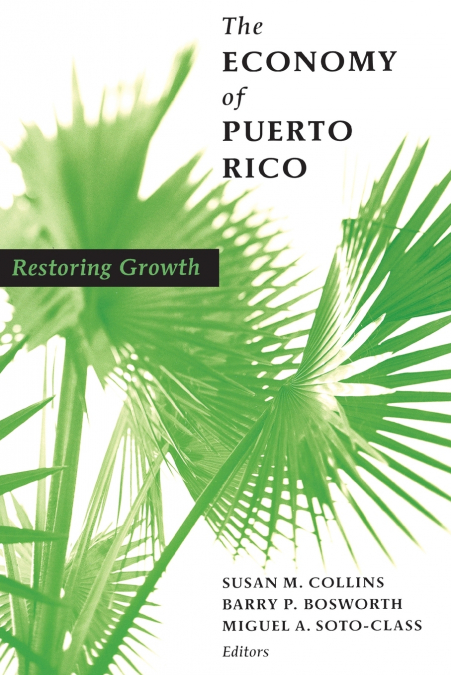

Economy of Puerto Rico

Economy of Puerto Rico


40,22 €
IVA incluido
Disponible
Editorial:
Bloomsbury Publishing plc
Año de edición:
2006
Materia
Estudios del desarrollo
ISBN:
9780815715535
40,22 €
IVA incluido
Disponible

Selecciona una librería:

  • Librería Samer Atenea
  • Librería Aciertas (Toledo)
  • Kálamo Books
  • Librería Perelló (Valencia)
  • Librería Elías (Asturias)
  • Donde los libros
  • Librería Kolima (Madrid)
  • Librería Proteo (Málaga)

'A Brookings Institution Press and the Center for the New Economy publicationA non-incorporated territory of the United States, Puerto Rico operates under U.S. legal, monetary, security and tariff systems. Despite sharing in these and other key U.S. institutions, Puerto Rico has experienced economic stagnation and large scale unemployment since the 1970s. The island's living standards are low by U.S. standards, with a per capita income only half that of Mississippi, the poorest state. While many studies have analyzed the fiscal implications of Puerto Rico's political relationship with the United States, little research has focused broadly on the island's economic experience or assessed its growth prospects.In this innovative new book, economists from U.S. and Puerto Rican institutions address a range of major policy issues affecting the island's economic development. To frame the current situation, the contributors begin by assessing Puerto Rico's past experience with various growth policies. They then analyze several reforms and new initiatives in labor, education, entrepreneurship, fiscal policy, migration, trade, and financing development, which they incorporate into a proposed strategy for jumpstarting Puerto Rican economic growth.Contributors include Gary Burtless (Brookings Institution); Orlando Sotomayor, Luis Rivera-Batiz, Ramóoacute;n Cao, Maria Enchautegui, Joséeacute; Joaquíiacute;n Villamil, Eileen Segarra, Marinés Aponte, and Juan Lara (University of Puerto Rico); Richard Freeman and Robert Lawrence (Harvard University); Helen Ladd (Duke University); Francisco Rivera-Batiz (Columbia University); Steven Davis and Bruce Meyer (University of Chicago); James Alm (Georgia State University); Ingo Walter, Rita Maldonado-Bear, and William Baumol (New York University); Belinda Reyes (University of California, Merced); Alan Krueger (Princeton University); Carlos Santiago (University of Wisconsin); David Audretsch (Indiana University); Ronald Fisher (Michigan State University); Fuat Andic (UN Advisor); Arturo Estrella (NY Federal Reserve); James Hanson and Daniel Lederman (World Bank); James Dietz (University of California, Fullerton); and Katherine Terrell (University of Michigan).'
Artículos relacionados

  • Mobile Information Communication Technologies Adoption in Developing Countries
    The mobile technology field is expanding with innovative research and discoveries that expand to all walks of life. Mobile technology may have its greatest impact in the developing world, because it brings telecommunication to districts that had never been reached before. Mobile Information Communication Technologies Adoption in Developing Countries: Effects and Implications re...
  • Impact of Disruptive Technologies on the Socio-Economic Development of Emerging Countries
    Global emergencies, such as the COVID-19 pandemic and environmental concerns, have challenged the readiness of societies and forced them to operate in more innovative ways. In response, the world has witnessed new technologies emerge and researchers continually finding better solutions to cope with these situations. It is crucial that these innovations are investigated so that ...
    Disponible

    222,57 €

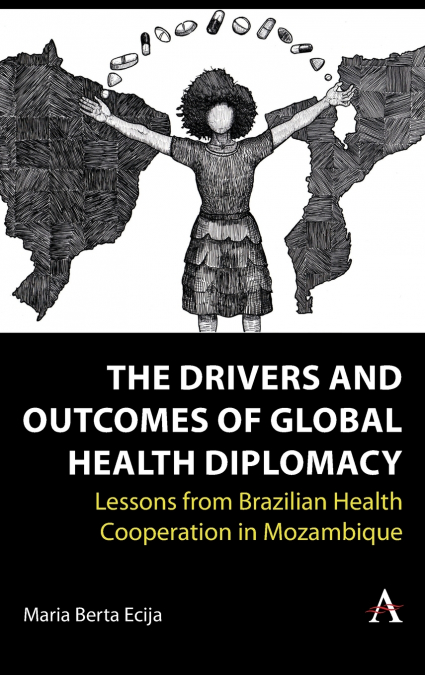
  • The Drivers and Outcomes of Global Health Diplomacy
    Maria Berta Ecija
    This book investigates the Brazilian health cooperation in Mozambique through the implementation of a pharmaceutical factory in Maputo. ...
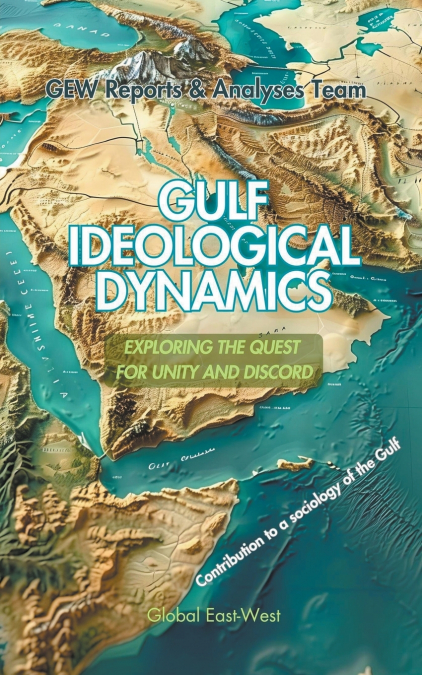
  • Gulf Ideological Dynamics
    GEW Reports & Analyses Team. / Hichem Karoui (Editor)
    The Gulf ideological system is a set of interconnected beliefs and principles governing the region’s political, economic, social, and cultural spheres. It combines various ideologies, including religious, nationalist, tribal, and pan-Islamic ideologies. It is shaped by a combination of historical, cultural, and socio-economic factors. Political alliances, economic shifts, socia...
    Disponible

    32,90 €

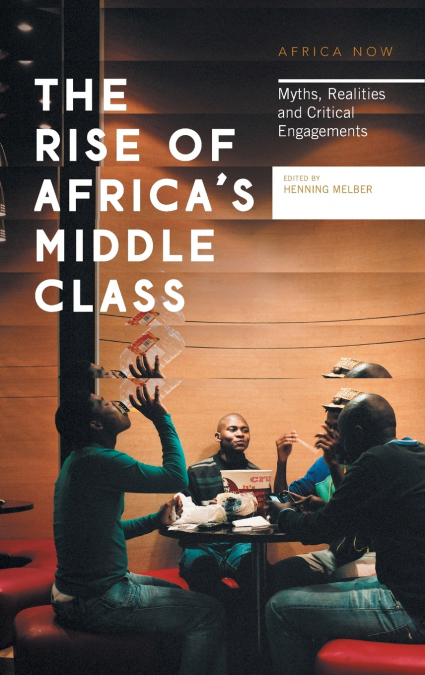
  • The Rise of Africa’s Middle Class
    Henning Melber
    Across Africa, a burgeoning middle class has become the poster child for the 'Africa rising' narrative. Ambitious, aspirational and increasingly affluent, this group is said to embody the values and hopes of the new Africa, with international bodies ranging from the United Nations Development Programme to the World Bank regarding them as important agents of both economi...
  • AIDS in Africa- How Did It Ever Happen
    Frank Ham
    This book offers a unique personal perspective on the HIV/AIDS crisis in Africa. It is a first person narrative of a European homosexual who tested positive in the early eighties. The author owes his survival to tell the tale not least to the drugs, which in his home country are accessible to any person who is HIV positive. Frank Ham visited Malawi in 1999 and repeatedly therea...
    Disponible

    36,43 €