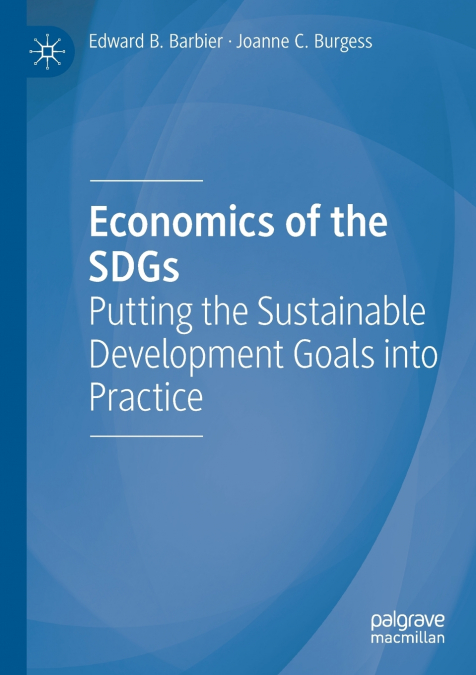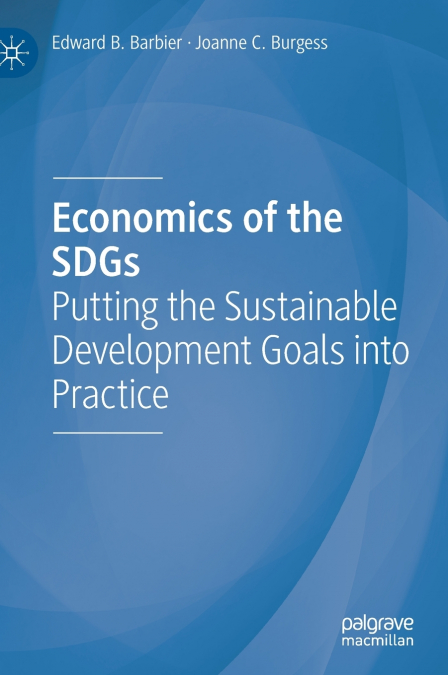
Economics of the SDGs

Economics of the SDGs

Edward B. Barbier / Joanne C. Burgess

144,80 €
IVA incluido
Disponible
Editorial:
Springer Nature B.V.
Año de edición:
2021
Materia
Políticas del Gobierno central
ISBN:
9783030786977
144,80 €
IVA incluido
Disponible

Selecciona una librería:

  • Librería Samer Atenea
  • Librería Aciertas (Toledo)
  • Kálamo Books
  • Librería Perelló (Valencia)
  • Librería Elías (Asturias)
  • Donde los libros
  • Librería Kolima (Madrid)
  • Librería Proteo (Málaga)

This is the first book that employs economics to develop and apply an analytical framework for assessing progress towards the Sustainable Development Goals (SDGs). The authors explore the historical context for the underlying sustainability concept, develop an economics-based analytical framework for assessing progress towards the SDGs, and discuss the implications for sustainability policy and future research. Economics is concerned with analysing the trade-offs in allocating scarce means to achieve various ends. Thus, economic methods are ideally suited to assessing how progress towards one or more SDGs may come at the expense of achieving other goals. Such interactions are inevitable in meeting the 2030 Agenda over the next decade, given that the SDGs include different economic, social, and environmental elements. Although it may be possible to make progress across all 17 goals by 2030, it is more likely that improvement toward all goals will be mixed. For example, we may have reduced poverty or hunger over recent years, but the way in which this progress has been achieved - e.g. through economic expansion and industrial growth - may have come at the cost in achieving some environmental or social goals. On the other hand, progress in reducing poverty is likely to go hand-in-hand with other important goals, such as eliminating hunger, improving clean water and sanitation, and ensuring good health and well-being. Assessing these interactions is essential for guiding policy, so that countries and the international community can begin implementing the right set of environmental, social and economic policies to achieve more sustainable and inclusive global development.  
Artículos relacionados

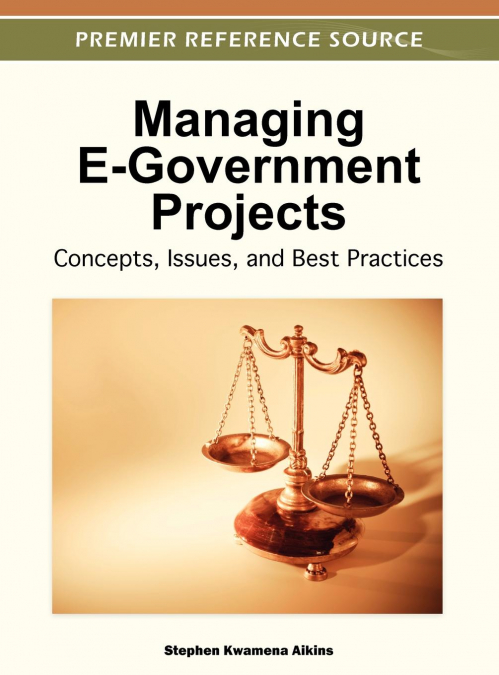
  • Managing E-Government Projects
    Stephen Kwamena Aikins
    E-government promises efficient communication, streamlined operations, citizen involvement, improved services, and increased transparency. However, despite huge investments in e-government, evidence suggests numerous e-government projects are late, over budget, and inadequate. Managing E-Government Projects: Concepts, Issues, and Best Practices collects the work of some of the ...
    Disponible

    236,50 €

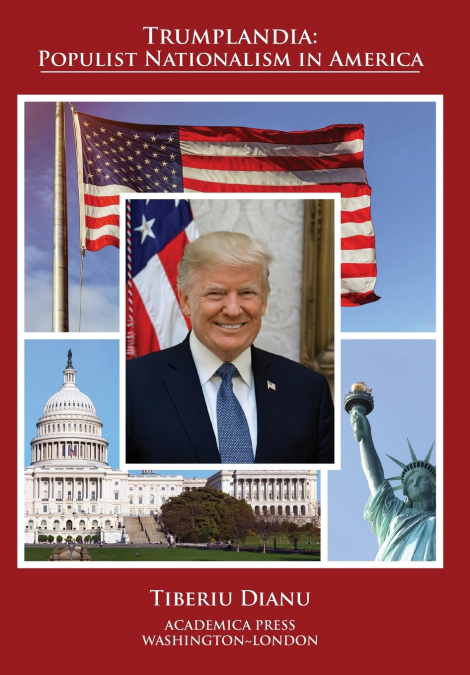
  • Trumplandia
    Tiberiu Dianu
    Trumplandia: Populist Nationalism in America is a collection of essays about the transformation of America, which has turned from a united nation to one more divided than ever under the presidency of Donald Trump. Some pundits predict that if things don’t change another civil war could occur. Have we reached a point of no return? Author and attorney Tiberiu Dianu writes in the ...
    Disponible

    198,58 €

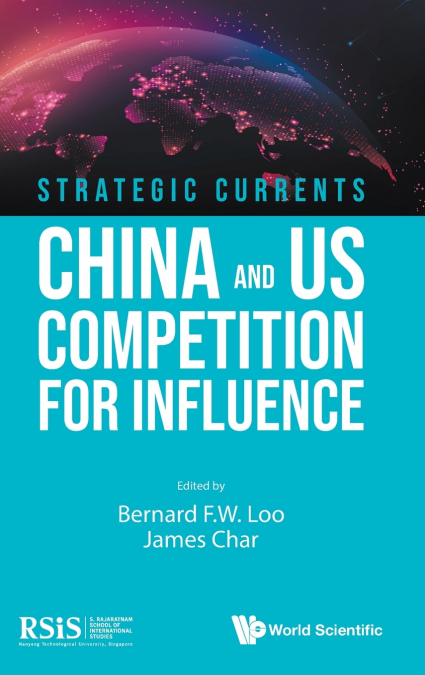
  • STRATEGIC CURRENTS
    JAMES CHAR BERNARD F W LOO / LOO BERNARD F W
    The advent of the 4th Industrial Revolution amidst the increasingly intensified global competition between the United States and China promises to be a major inflection point in human history. The authors assembled in this volume provide a sober assessment of this techno-nationalist contest and their implications for the rest of the world. ...
    Disponible

    70,05 €

  • At a Turning Point
    Australia is at a much-needed turning point in work, care and family policy. Australian women, families and communities are struggling to manage the complex demands of work and care.Rapid social and demographic change, alongside new workplace, labour market trends and the aftermath of the COVID-19 pandemic, requires a policy revamp that will allow all Australians to work, care ...
    Disponible

    25,96 €

  • Shadows of Catastrophe
    Richard Skiba
    This book explores the concept of S-Risks, or suffering risks, and delves into their significance, distinguishing them from conspiracy theories and alarmism. It categorizes S-Risks into agential, natural, and incidental types, discussing the disjunctive nature and various factors influencing them. Examining technological progress, the existence of powerful agents, and unintende...
    Disponible

    22,35 €

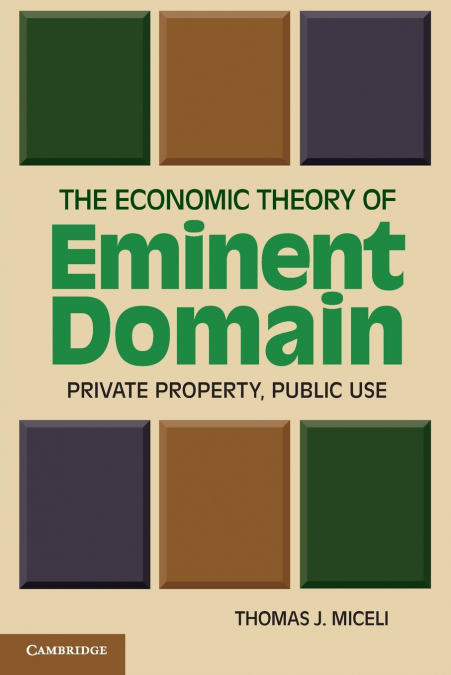
  • The Economic Theory of Eminent Domain
    Thomas J. Miceli
    ...
    Disponible

    47,12 €

Otros libros del autor

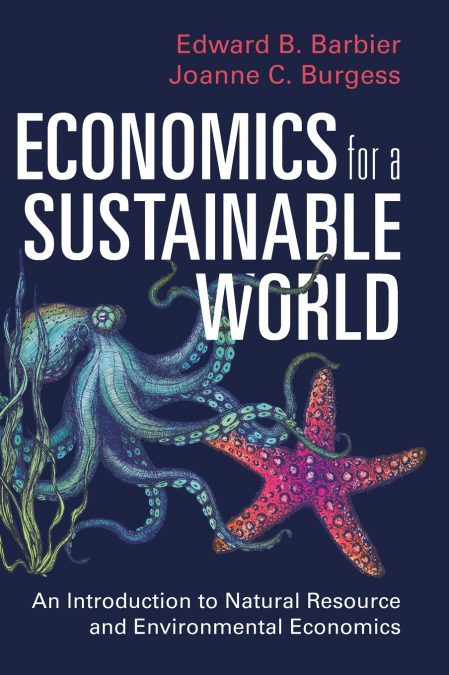
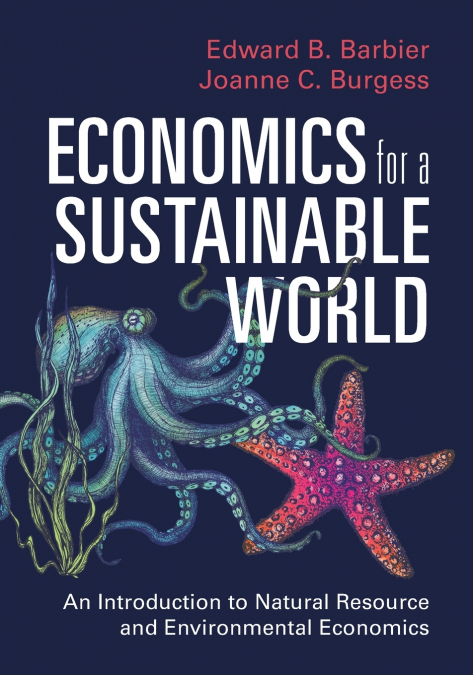
  • Economics for a Sustainable World
    Edward B. Barbier / Joanne C. Burgess
    ...
    Disponible

    223,19 €

  • Economics for a Sustainable World
    Edward B. Barbier / Joanne C. Burgess
    ...
    Disponible

    81,24 €

  • Economics of the SDGs
    Edward B. Barbier / Joanne C. Burgess
    This is the first book that employs economics to develop and apply an analytical framework for assessing progress towards the Sustainable Development Goals (SDGs). The authors explore the historical context for the underlying sustainability concept, develop an economics-based analytical framework for assessing progress towards the SDGs, and discuss the implications for sustaina...
    Disponible

    146,49 €