Drawing the Line

Drawing the Line

Philip M. Rosoff

99,04 €
IVA incluido
Consulta disponibilidad
Editorial:
Oxford University Press
Año de edición:
2016
Materia
Ética médica y conducta profesional
ISBN:
9780190206567

Selecciona una librería:

  • Librería Samer Atenea
  • Librería Aciertas (Toledo)
  • Kálamo Books
  • Librería Perelló (Valencia)
  • Librería Elías (Asturias)
  • Donde los libros
  • Librería Kolima (Madrid)
  • Librería Proteo (Málaga)

Unlike the rest of the advanced industrialized world, the United States does not have a national healthcare system that guarantees that all residents have access to medical services. Over the past century a number of unsuccessful attempts have been made to create and implement a unified, coordinated healthcare system. Piecemeal progress has been made, such as with the passage of Medicare, Medicaid, and the Affordable Care Act. However, the US still has the dubious distinction of possessing the most expensive healthcare in the world as well as health-related outcomes that are shameful for a wealthy country, mostly due to the number of people who lack decent care. The continuing escalation in medical costs is also threatening the financial stability of the nation. In his first book, Rationing is Not a Four-Letter Word, Philip M. Rosoff argued that the only way to control costs is to impose rationing, and the only way to do so fairly is to have it apply to all. The key to rationing is how it is accomplished. He outlined a general approach to making rationing decisions that involved a comprehensive explication of procedural fairness and illustrated this with the real-life accepted system of solid organ allocation for transplantation. In this book, he discusses how to decide what should and should not be covered in a generous benefits plan for all. He considers a variety of ways this might be done and concludes that the most just approach is to utilize a transparent process in which experts and lay people develop a consensus on what should be covered by focusing on both clinical evidence of need and the effective and appropriate means to address those needs. He also considers the various objections and impediments to this proposal and concludes that they are obstacles that can be successfully met.

Artículos relacionados

  • Geographic Information Systems and Public Health
    Andrew Curtis
    ...
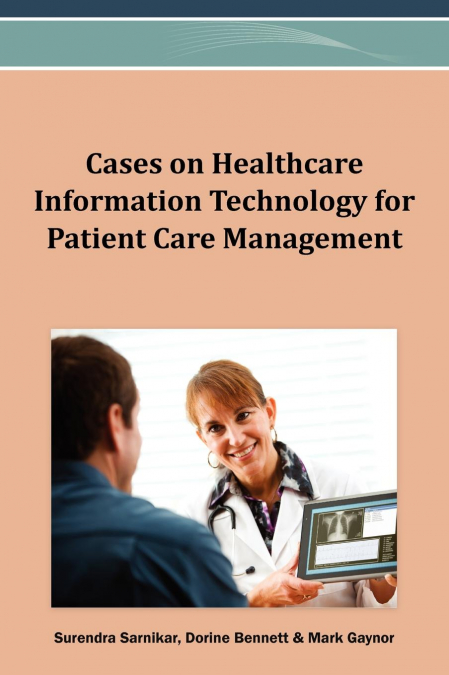
  • Cases on Healthcare Information Technology for Patient Care Management
    Health care organizations have made investments in health information technologies such as electronic health records, health information exchanges, and many more, which have increased the importance of Health Information Technology studies. Cases on Healthcare Information Technology for Patient Care Management highlights the importance of understanding the potential challenges ...
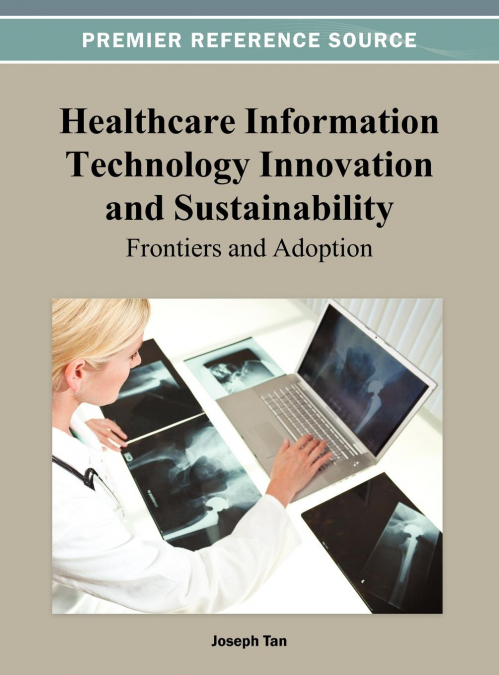
  • Healthcare Information Technology Innovation and Sustainability
    Joseph Tan
    Healthcare Information Technology Innovation and Sustainability: Frontiers and Adoption presents research in the emerging field on information systems and informatics in the healthcare industry. By addressing innovative concepts and critical issues through case studies and experimental research, this reference source is useful for practitioners, researchers and academics aiming...
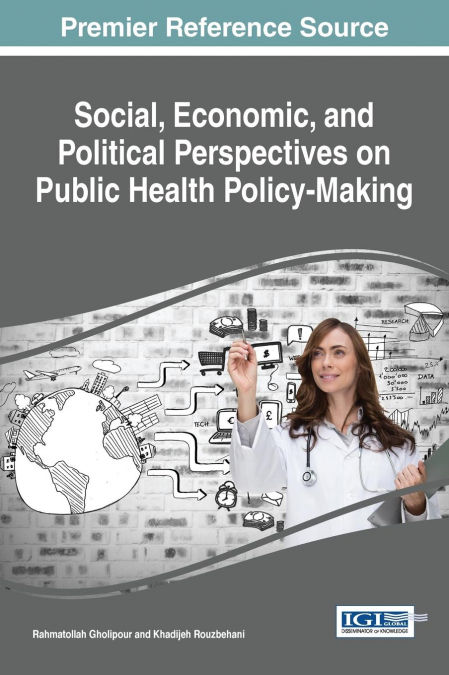
  • Social, Economic, and Political Perspectives on Public Health Policy-Making
    Presently, the healthcare industry is grappling with many challenges both nationally and globally, including escalating costs, a move to a preventative care environment and a technology savvy patient with high expectations. To accommodate the changing health demands of the current global population, public healthcare policy must undergo a critical analysis. Social, Economic, an...
  • Modern Concepts and Practices in Cardiothoracic Critical Care
    Adam S Evans / Gregory E Kerr / Insung Chung
    With an increase in admission to intensive care units, medical professionals must search for the best practices and procedures to provide efficient medical care to each patient. Despite medical advances, there is still a need for well-trained cardiovascular intensivists to meet the needs of patients. Modern Concepts and Practices in Cardiothoracic Critical Care brings together ...
  • Reshaping Medical Practice and Care with Health Information Systems
    Ashish Dwivedi
    Technology has become an integral part of our daily interactions, even within the hospitals and healthcare facilities we rely on in times of illness and injury. New technologies and systems are being developed every day, advancing the ways that we treat and maintain the health and wellbeing of diverse populations. Reshaping Medical Practice and Care with Health Information Syst...