

 Librería Samer Atenea
 Kálamo Books
 Librería Elías (Asturias)
 Librería Kolima (Madrid)
 Librería Proteo (Málaga)
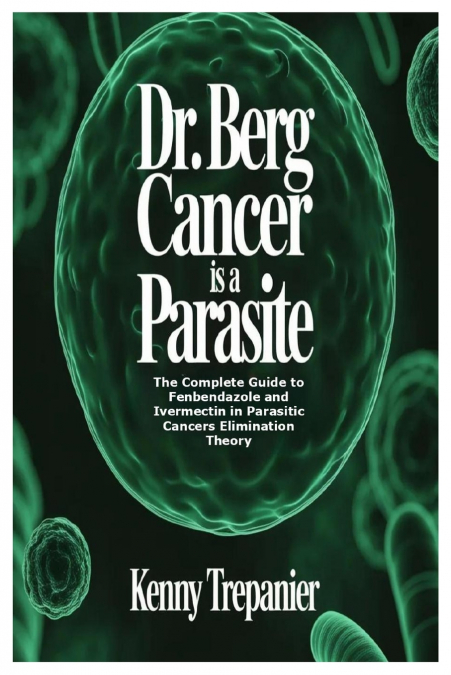
Cancer has remained one of the greatest medical mysteries of the modern age. Despite enormous scientific advances in surgery, chemotherapy, radiation, immunotherapy, and genetic research, millions of people around the world continue searching for deeper explanations about why cancer develops and how it survives inside the body. Alongside conventional medicine, alternative health communities have increasingly explored theories involving chronic inflammation, hidden infections, toxins, parasites, nutritional deficiencies, immune suppression, and metabolic dysfunction as possible contributors to disease.Among the most controversial ideas discussed today is the theory that cancer may behave similarly to a parasite within the human body. This concept became increasingly popular through the influence of Dr. Berg. Through his teachings on fasting, ketosis, insulin resistance, inflammation, nutrition, and chronic illness, Dr. Berg encouraged people to look beyond symptoms and examine the internal environment that allows disease to thrive.Although mainstream medicine does not define cancer as a parasite, supporters of the theory argue that cancer shares several parasitic characteristics. They believe abnormal cells survive by feeding on nutrients, suppressing immune defenses, adapting to hostile environments, and spreading aggressively throughout the body. According to these alternative perspectives, chronic inflammation, toxicity, weakened immunity, poor diet, stress, and metabolic imbalance may create conditions that support abnormal cellular behavior.As public interest in these theories expanded, attention quickly shifted toward antiparasitic medications that some people believed could influence abnormal cellular activity. Two compounds that became central to these discussions are fenbendazole and ivermectin. Fenbendazole, originally developed as a veterinary antiparasitic medication, gained widespread attention after anecdotal reports and laboratory studies suggested possible effects on cellular replication and microtubule function. Ivermectin, one of the world’s most recognized antiparasitic drugs used in both humans and animals, also became associated with theories involving inflammation control, immune modulation, and cellular signaling pathways.





