 Librería Samer Atenea
 Kálamo Books
 Librería Elías (Asturias)
 Librería Kolima (Madrid)
 Librería Proteo (Málaga)
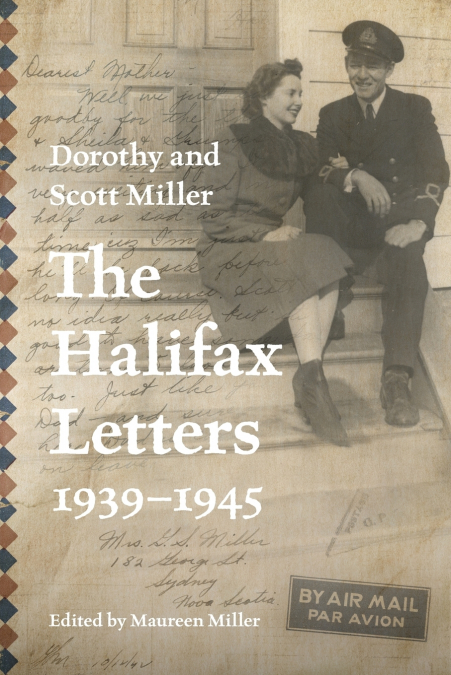
A true story of love, war, and resilience.Dorothy and Scott Miller: The Halifax Letters, 1939-1945 is an intimate, ground-level account of the Battle of the Atlantic and the Royal Canadian Navy’s crucial role in it - as well as a love story about two young people caught in a world war. For readers of WWII memoirs, naval history, and the Home Front experience, it offers a telling in real time, letter by letter, from the people who lived with the fear and the not-knowing, through the deadliest war in human history.In 1938, a young Canadian ice hockey player from the rural plains of Saskatchewan is recruited to play at UCLA. Within a year, Scott Miller has met and fallen for Dorothy Dodge, a Los Angeles ingénue who overcame severe childhood illness to chase her own dream of a college education. At UCLA, Scott captains the hockey team and leads his fraternity; Dorothy is elected student body vice president, crowned Crew Queen, and bonds with the women in her sorority. They marry and set off on their honeymoon in December 1941-only to hear that Pearl Harbor has been attacked. Nothing about their future will unfold the way they planned.The war carries them 3,000 miles from the Southern California sun to wartime Halifax, Nova Scotia-the 'front door' to the Battle of the Atlantic, the struggle to protect the vital shipping lifeline for Britain’s survival and later, the Allied Front. Scott becomes a lieutenant in the Royal Canadian Navy, sent to sea aboard a corvette to escort merchant convoys through U-boat-infested waters. Dorothy stays behind in a city transformed by blackouts, rationing, and a housing shortage so severe that she ends up renting a house barely vacated after a murder-suicide in its boathouse-the police are still dragging the waterway for the missing culprit when she moves in. She dubs it 'Murder Manor,' and sub-lets rooms to a rotating cast of Navy wives who lean on one another, cook for sailors on leave, and form friendships that outlast the war.Throughout, the author situates the letters within the broader sweep of the war-tracing the strategic arc of the Battle of the Atlantic, the Royal Canadian Navy’s rapid wartime expansion, and the wider Allied campaign. The book moves seamlessly between the intimate and the historical, giving readers both the felt experience of the war and the context to understand its stakes.