 Librería Samer Atenea
 Kálamo Books
 Librería Elías (Asturias)
 Librería Kolima (Madrid)
 Librería Proteo (Málaga)
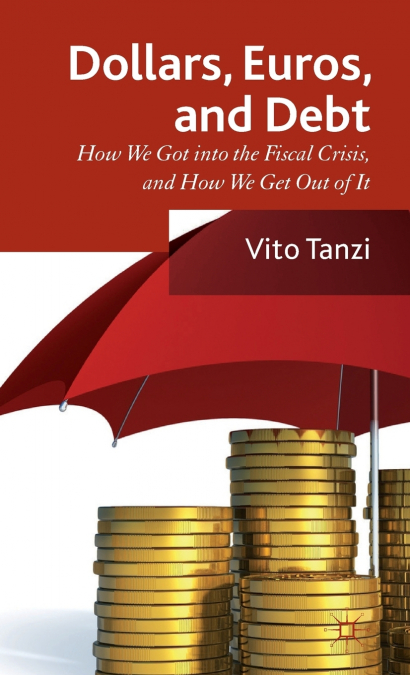
The current economic crisis has been assumed to reflect a cyclical problem, and someeconomists have asked that it be dealt with ’fiscal stimulus packages’, especiallypackages associated with public spending. This action is similar to that of givingsteroids to a patient who suffers from a serious illness. It might make him or her feeltemporarily better, but it actually aggravates the illness. Dollars, Euro’s, and Debt suggests that an increase in public spending is the wrongmedicine, because it was precisely the increase in public spending that created someof the structural problems that are now confused with, or have led to, the cyclicalslowdowns. The book argues that, over the years, and in a growing number ofcountries, the high and increasing levels of public spending were, first and progressively,being financed by higher tax levels and, subsequently, by increasing borrowing.In the early years of the twenty-first century governments started facing strongtaxpayers’ resistance to tax increases. Thus, they relied more and more on publicborrowing, pushing the public debts to high levels. More recently they started facingstronger resistance by private lenders, that led to the progressive easing of monetaryconditions by central banks. The central banks’ actions have made it difficult toseparate fiscal from monetary actions and have hidden some of the true deteriorationin the fiscal accounts. They have also increased future uncertainty and potential ’timeconsistency’ problems. The book evaluates the effects of ’fiscal stimulus packages’,especially when they start from precarious fiscal conditions, and presents a novel’law of public expenditure growth’, and suggests how that law may help in the designof ’exit strategies’ from the current crisis. It also discusses similarities and differencesbetween the monetary union that the euro and the monetary union that is the dollar.