 Librería Samer Atenea
 Kálamo Books
 Librería Elías (Asturias)
 Librería Kolima (Madrid)
 Librería Proteo (Málaga)
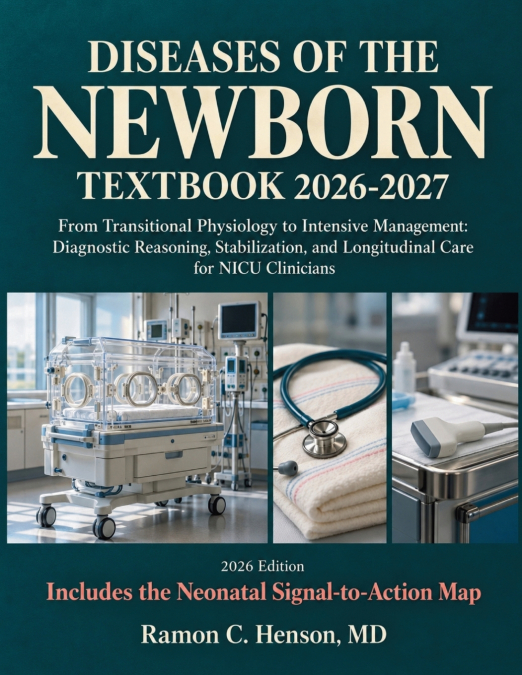
Turn Early Physiologic Change Into Safe Neonatal Action This clinically focused reference connects transitional physiology with the recognition and management of illness during the first weeks of life. Written for clinicians working in nurseries and intensive care settings, it follows the infant from delivery-room stabilization through respiratory, cardiovascular, infectious, neurologic, gastrointestinal, hematologic, renal, endocrine, genetic, surgical, and developmental care. The emphasis remains on trajectory, mechanism, and decisions that protect immature organs while diagnostic certainty is still developing. Structured pathways, narrative cases, native comparison tables, and specialty-specific visual prompts support rapid interpretation without separating bedside findings from their physiologic cause. Clinical Capabilities Developed Across the Book Transitional physiology and first-hours assessment - distinguish expected adaptation from early loss of reserve Respiratory support and hemodynamics - connect monitoring patterns with mechanism-directed escalation Sepsis, inflammation, and antimicrobial stewardship - obtain decisive specimens and limit avoidable exposure Neurologic injury, seizures, and encephalopathy - integrate examination, EEG, and imaging into time-sensitive care Nutrition, gastrointestinal disease, and metabolic stability - protect growth while recognizing surgical and biochemical emergencies Genetic, congenital, sensory, and surgical disorders - coordinate phenotype-driven evaluation with definitive referral Discharge, development, ethics, and palliative care - close safety loops and align treatment with informed family goals Use this volume to move from a changing bedside signal to a defensible clinical action and an accountable follow-up plan.