

 Librería Samer Atenea
 Kálamo Books
 Librería Elías (Asturias)
 Librería Kolima (Madrid)
 Librería Proteo (Málaga)
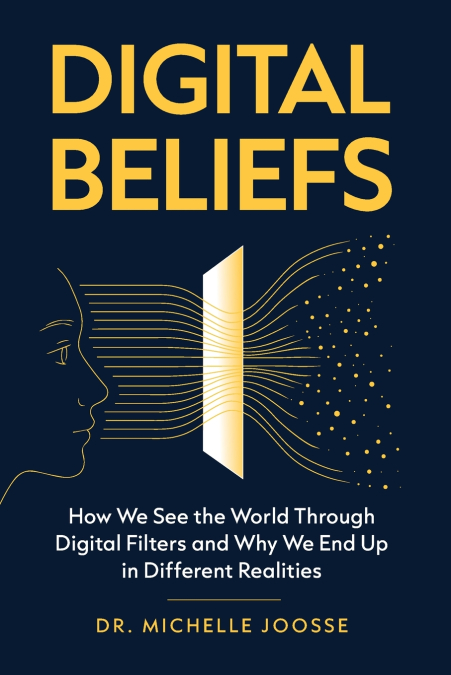
Digital BeliefsHow We See the World Through Digital Filters and Why We End Up in Different RealitiesWe are living in an age where information moves faster than our ability to make sense of it. Every day, we are asked to decide what to believe, who to trust and what to share - often in seconds.Algorithms shape what we see. Repetition can make information feel true. Emotion can make us act before we have stopped to think. And when our beliefs become connected to our identity, changing our minds can feel like losing something important.But there is hope.Digital Beliefs is an invitation to pause and look more closely at how we think, what shapes our beliefs and how the digital world influences the information we trust and pass on.Drawing on the CID³T framework and a practical set of tools for awareness, critical thinking, curiosity and trust, this book helps you recognise the moments when you are most likely to react, believe or share without evaluation - and gives you simple ways to create better habits.This is not a book about telling you what to believe. It is not about becoming sceptical of everything, winning arguments or finding ways to fix people who disagree with you.It is about helping you become more conscious of how you come to believe.Through exploring the relationship between cognition, identity, digital systems and trust, you will discover how your own experiences, assumptions and need for belonging influence what you accept as true. You will also learn how digital platforms, algorithms and information environments can reinforce existing beliefs and shape the way you see the world.The book encourages you to:Recognise how your beliefs, assumptions and biases influence your thinking.Understand why people can look at the same information and reach very different conclusions.Question why you are seeing particular information and who might benefit from you believing or sharing it.Pause when content triggers a strong emotional response.Look beyond information that simply confirms what you already believe.Consider perspectives you may not have encountered.Become more confident in evaluating information and making considered decisions.Because we may not be able to control the digital world, but we can become more thoughtful participants in it.By slowing down, asking better questions, understanding ourselves and others, and becoming more willing to reconsider what we believe, we can make better decisions and engage more constructively with the world around us.Better thinking doesn’t begin with proving someone else wrong. It begins with being willing to question whether we might be wrong ourselves. 6





