
Inicio > Humanidades > Filosofía > Ética y filosofía moral > Die Leistungssteigerung des menschlichen Gehirns
Die Leistungssteigerung des menschlichen Gehirns

Die Leistungssteigerung des menschlichen Gehirns


47,80 €
IVA incluido
Disponible
Editorial:
Springer Nature B.V.
Año de edición:
2018
Materia
Ética y filosofía moral
ISBN:
9783658036829
47,80 €
IVA incluido
Disponible

Selecciona una librería:

  • Librería Samer Atenea
  • Librería Aciertas (Toledo)
  • Kálamo Books
  • Librería Perelló (Valencia)
  • Librería Elías (Asturias)
  • Donde los libros
  • Librería Kolima (Madrid)
  • Librería Proteo (Málaga)

Die Autorinnen und Autoren dieses Bandes analysieren in kritischer Weise die Breite und Tiefe des Diskurses zu Neuro-Enhancement, der sich aber nicht nur durch ethische Fragen auszeichnet. Sie zeigen, dass es darüber hinaus grundlegende philosophische, anthropologische und gesellschaftstheoretische Aspekte sind, die im Steigerungsbedürfnis spätmoderner Leistungs(steigerungs)gesellschaften zu Tage treten. So scheint eine neue Wunschwelt vor der Tür zu stehen: Doping fürs Gehirn! Der rasante Fortschritt der Neurowissenschaften hat das menschliche Gehirn erreicht. Die Möglichkeiten der Leistungssteigerung könnten bald auch das „Innerste' des Menschen essentiell betreffen: sein Denken und Fühlen, Entscheiden und Handeln.Die HerausgeberProf. Dr. Nicola Erny ist Professorin für Philosophie an der Hochschule Darmstadt.Dr. Matthias Herrgen lehrte am Philosophischen Seminar der Westfälischen Wilhelms-Universität in Münster.Prof. Dr. Jan Cornelius Schmidt unterrichtet Philosophie, Ethik und Technikfolgenabschätzung an der Hochschule Darmstadt.

Artículos relacionados

  • Ka Ab Ba Building The Lighted Temple
    Dr Terri R. Nelson / Dr Terri RNelson
    The book KaAbBa Building The Lighted Temple/Metaphysical Keys to the Tree of Life draws a circle that is inclusive of the Afrikan origin of the Ancient Kemetic/Egyptian wisdom. It reveals the undeniable root and link of Ancient Africa to all the religious systems that would develop worldwide. This book is explosive in its power to convey the meaning of KaAbBa, the Medu Neter  (...
    Disponible

    37,41 €

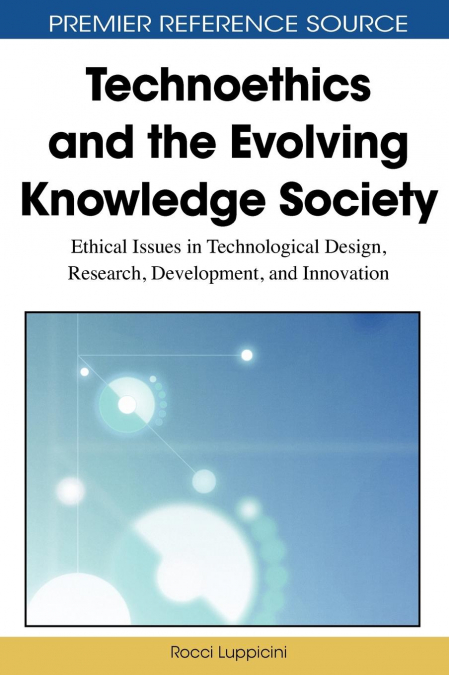
  • Technoethics and the Evolving Knowledge Society
    Rocci Luppicini
    Recently, there has been a major push to rediscover the ethical dimension of technology across the sciences, social sciences, and humanities. Technoethics and the Evolving Knowledge Society: Ethical Issues in Technological Design, Research, Development, and Innovation examines human processes and practices connected to technology embedded within social, political, and moral sph...
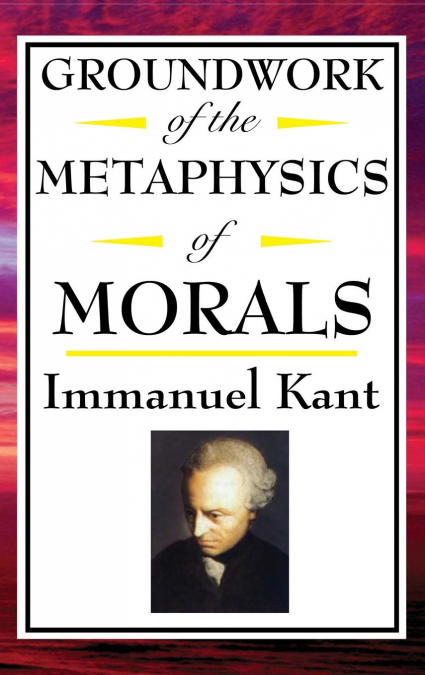
  • Kant
    Immanuel Kant
    Kant’s Groundwork of the Metaphysics of Morals is one of the most important works in modern moral philosophy. It belongs beside Plato, Aristotle, Machiavelli, and Hobbes. Here Kant sets out to articulate and defend the Categorical Imperative - the fundamental principle that underlies moral reasoning - and to lay the foundation for a comprehensive account of justice and human vi...
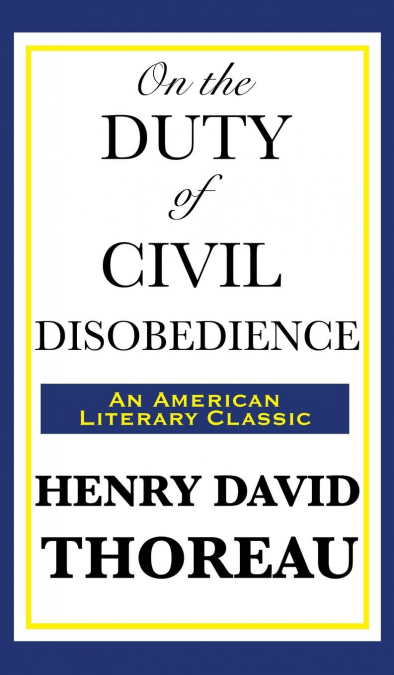
  • On the Duty of Civil Disobedience
    HENRY DAVID THOREAU
    Civil Disobedience argues that citizens should not permit their governments to overrule their consciences, and that they have a duty to avoid allowing their acquiescence to enable the government to make them the agents of injustice. Thoreau was motivated in part by his disgust with slavery and the Mexican-American War, but the sentiments he expresses here are just as pertinent ...
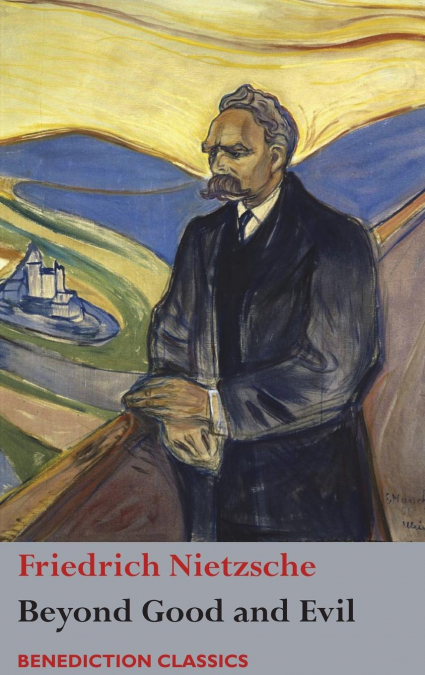
  • Beyond Good and Evil
    Friedrich Nietzsche
    Nietzsche, though primarily a philosopher, wrote widely on art, philology, history, religion, tragedy, culture, and science.  In 1886, at the height of his powers, he published Beyond Good and Evil.  Here he examines much of the best of human thought--dogmatic philosophy, Judeo-Christian morality, science and democracy – and finds it lacking.  Rejecting “slave-morality” he pres...
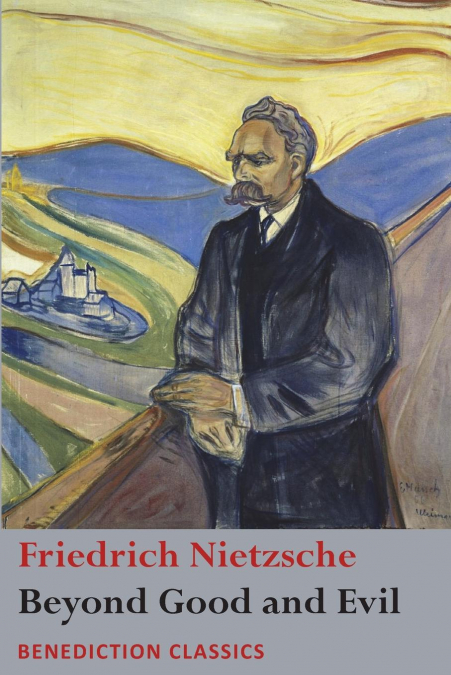
  • Beyond Good and Evil
    Friedrich Nietzsche
    Nietzsche, though primarily a philosopher, wrote widely on art, philology, history, religion, tragedy, culture, and science.  In 1886, at the height of his powers, he published Beyond Good and Evil.  Here he examines much of the best of human thought--dogmatic philosophy, Judeo-Christian morality, science and democracy – and finds it lacking.  Rejecting “slave-morality” he pres...
    Disponible

    9,99 €