
Inicio > Derecho > Derecho internacional > Die EU und Entwicklungsländer - Die EU zwischen EEF und AKP-Staaten
Die EU und Entwicklungsländer - Die EU zwischen EEF und AKP-Staaten

Die EU und Entwicklungsländer - Die EU zwischen EEF und AKP-Staaten

Tim Patrik Albrecht

16,06 €
IVA incluido
Disponible
Editorial:
GRIN Verlag
Año de edición:
2007
Materia
Derecho internacional
ISBN:
9783638704892
16,06 €
IVA incluido
Disponible

Selecciona una librería:

  • Librería Samer Atenea
  • Librería Aciertas (Toledo)
  • Kálamo Books
  • Librería Perelló (Valencia)
  • Librería Elías (Asturias)
  • Donde los libros
  • Librería Kolima (Madrid)
  • Librería Proteo (Málaga)

Studienarbeit aus dem Jahr 2004 im Fachbereich Jura - Europarecht, Völkerrecht, Internationales Privatrecht, Note: 1,0, FOM Essen, Hochschule für Oekonomie & Management gemeinnützige GmbH, Hochschulleitung Essen früher Fachhochschule (Rechtswissenschaft), Veranstaltung: Europarecht, 28 Quellen im Literaturverzeichnis, Sprache: Deutsch, Abstract: „Als absolut arm gilt derjenige, der tägliche weniger als 1 US$ zur Verfügung hat' Der Anteil der Weltbevölkerung, der diesem Kriterium entspricht, wird heute auf 21% geschätzt, d.h. 1,1 Mrd. Menschen leben unterhalb der Armutsgrenze. Gegen die Ursachen der Armut und den aus ihr entspringenden Folgen soll die internationale Entwicklungshilfe wirken. Die Flutkatastrophe vom 25.12.04 hat weite Teile Asiens zerstört, der Wiederaufbau und die Bekämpfung der ökologischen Folgen können ohne die Hilfe von Außen nicht bewirkt werden. Auch hier sind die sog. Industrienationen gefordert einen Betrag zu leisten. Vor diesem Hintergrund soll die EU als Akteur in der internationalen Entwicklungspolitik und -hilfe dargestellt werden. Dazu wird zunächst eine Definition und Kriterien aufgezeigt die ein Land als Entwicklungsland kennzeichnen. Aus einer ethisch-moralischen Verantwortung der Industrienationen heraus begründet sich die Entwicklungshilfe. Die Kolonialzeit und die damit verbundene Ausbeutung der Länder der heutigen Dritten Welt, sind mitverantwortlich für deren Rückstand in der Entwicklung. Weitere Ziele sind in den Vertragsgrundlagen der EU zu finden. Eine Darstellung der Instrumente, die der EU zur Verfügung stehen, schließt sich daran an. Die juristischen Instrumente ergeben sich zum einen aus dem EG-Vertrag (unilaterales System) und zum anderen aus internationalen Abkommen wie z.B. Yaoundé-Abkommen (vertragliches System). Aus finanzieller Sicht gibt es drei Instrumente der Entwicklungshilfe, den Gemeinschaftshaushalt, den Europäischen Entwicklungsfonds (EEF) und die Europäische Investitionsbank (EIB). Zus
Artículos relacionados

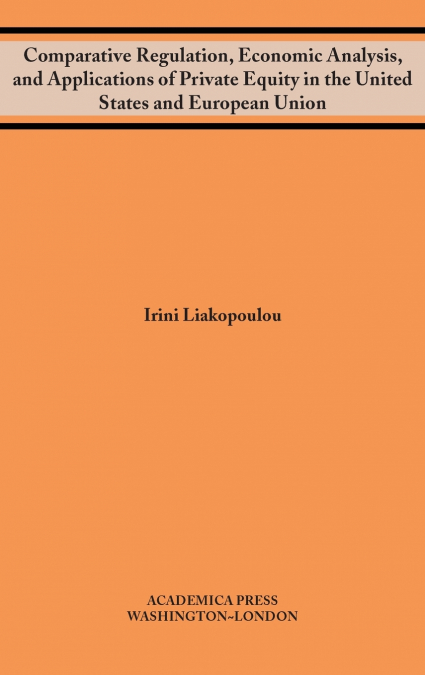
  • Comparative regulation, economic analysis, and applications of private equity in the united states and european union
    Irini Liakopoulou
    The present work examines the economics and legal doctrine of private equity. After a consideration of private equity’s origins, the book will explore the evolution of private equity in the United States and Europe. The reference economic model then will be reconstructed, with particular attention to financial flows to and from private equity firms and funds. This reconstructio...
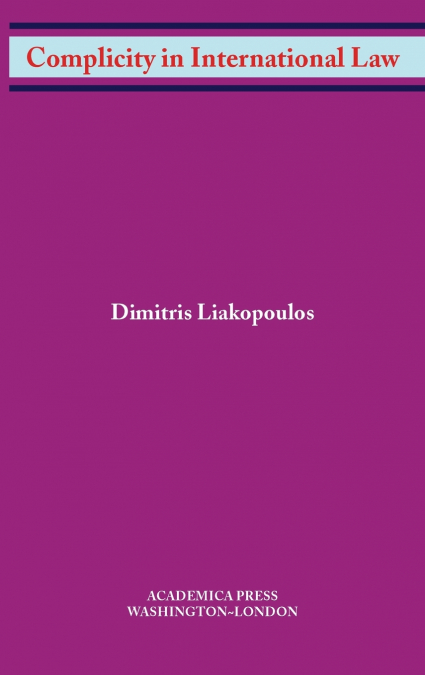
  • Complicity in International Law
    Dimitris Liakopoulous
    Complicity in International Law aims to analyze questions arising from a state’s complicity in conflict with another state or an international organization. On the basis of international legal provisions, a state that assists the illicit fact of another state or an international organization in turn commits an offense if it is aware of the main fact and is bound by the same obl...
  • Command responsibility
    James B Whisker / Kevin R Spiker
    Command responsibility, or executive accountability, assumes that leaders are responsible for the actions of their subordinates. If subordinates misbehave, violate basic moral laws, transgress international law, or thwart international standards of behavior, their leader may be called before to justice. Standards that set the boundaries of human action have been evolving for ma...
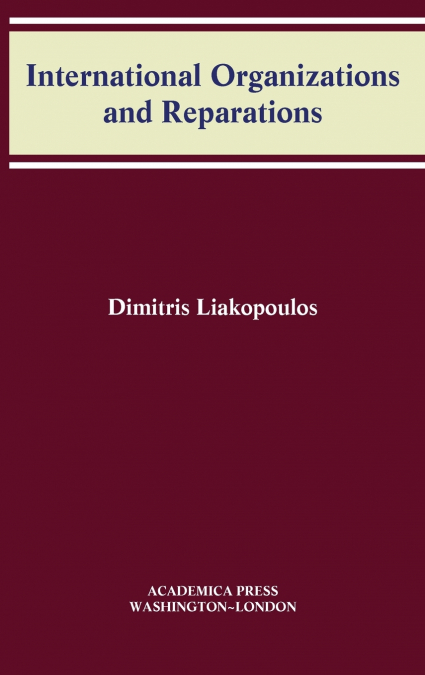
  • International Organizations and Reparations
    Dimitris Liakopoulos
    In the first part of this book, noted legal scholar Dimtris Liakopoulos deals with reconstructing the legal regulatory framework governing human rights violations in the activities of organizations. After identifying rules that are generally applicable to organizations’ offenses and govern the profile of reparations, this study assesses primary rules that guarantee the right to...
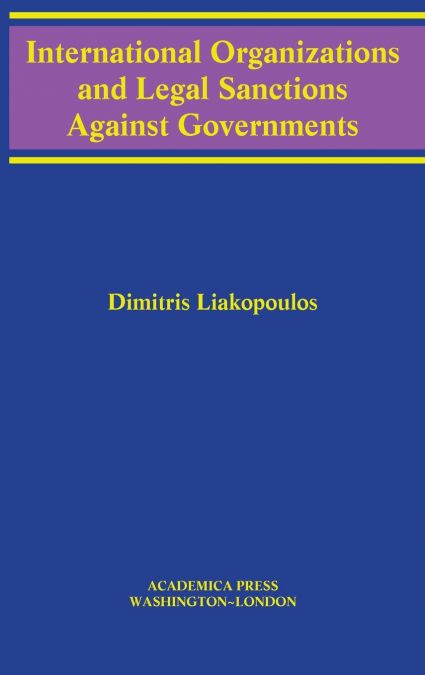
  • International Organizations and Legal Sanctions Against Governments
    Dimitris Liakopoulos
    This book examines the relationship between governments and international organizations under international law. After surveying the policing powers of international organizations under international law, it illustrates some normative aspects of law that distinguish regulation from enforcement via study of recent legal cases before international judicial bodies. According to Di...
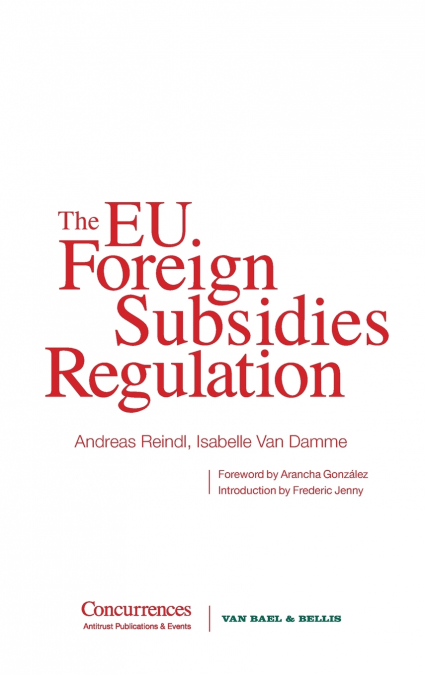
  • The EU Foreign Subsidies Regulation
    Andreas Reindl / Isabelle Van Damme
    'The EU Foreign Subsidies Regulation' is a pioneering manual authored by legal experts Andreas Reindl and Isabelle Van Damme. This essential guide, the first of its kind, is tailored for legal practitioners, offering a thorough exploration of the tools and mechanisms embedded within this novel European regulatory framework. The authors meticulously dissect the EU Foreign Subsid...