
Die Ethik inklusiver Bildung

Die Ethik inklusiver Bildung

Franziska Felder

72,51 €
IVA incluido
Disponible
Editorial:
Springer Nature B.V.
Año de edición:
2022
Materia
Ética y filosofía moral
ISBN:
9783662638354
72,51 €
IVA incluido
Disponible

Selecciona una librería:

  • Librería Samer Atenea
  • Librería Aciertas (Toledo)
  • Kálamo Books
  • Librería Perelló (Valencia)
  • Librería Elías (Asturias)
  • Donde los libros
  • Librería Kolima (Madrid)
  • Librería Proteo (Málaga)

Beginnend in den frühen 2000er Jahren ist Inklusion in den letzten Jahrzehnten immer stärker in den Fokus (praktischer, theoretischer wie empirischer) Bildungsbemühungen gerückt. Insbesondere die Sonderpädagogik, aber nicht nur sie, ist mit einer nie dagewesenen Entwicklung konfrontiert. Inklusion zweifelt die Existenzberechtigung der Sonderpädagogik an und fordert auch die Allgemeine Pädagogik mit ihren Ausschlussmechanismen heraus. Viele Debatten und unzählige Veröffentlichungen in der Inklusionspädagogik berühren direkt praktische und politische Umsetzungsfragen - von Fragen der Didaktik und Methodik inklusiven Unterrichts, bis hin zur Frage, wie Lehrpersonen entsprechende inklusive Einstellungen entwickeln können. Relativ spärlich aber gestaltet sich der inklusive Grundlagendiskurs. Insbesondere fehlen Ansätze zur ethischen Grundlegung inklusiver Bildung weitgehend. Dabei wäre das genau wichtig, denn Umsetzungsfragen berühren in pädagogischen Kontexten immer auch normative Zielperspektiven. Genau an diesem Punkt setzt das Buch an. Es fragt u.a. danach, welche deskriptive Aussagekraft dem Begriff der Inklusion zukommt, welche ethisch-normative Basis Inklusion hat und was davon in der pädagogischen Anwendung zentral ist. Das Buch thematisiert weiter auch, welchen Stellenwert Behinderung in dieser ganzen Debatte hat. Und nicht zuletzt befragt es eine Reihe von Mythen in der Inklusionsliteratur nach ihrer Plausibilität, u.a. dass Inklusion mit der Akzeptanz von Heterogenität gleichgesetzt werden kann oder dass eine radikale Dekategorisierung zu mehr Inklusion führen führt.
Artículos relacionados

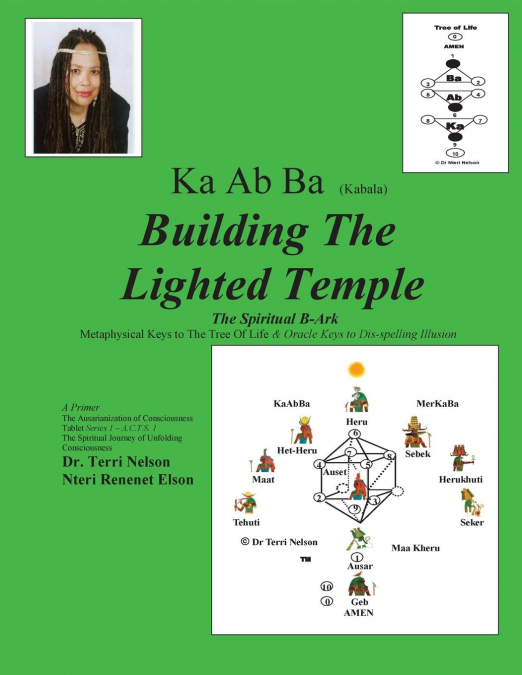
  • Ka Ab Ba Building The Lighted Temple
    Dr Terri R. Nelson / Dr Terri RNelson
    The book KaAbBa Building The Lighted Temple/Metaphysical Keys to the Tree of Life draws a circle that is inclusive of the Afrikan origin of the Ancient Kemetic/Egyptian wisdom. It reveals the undeniable root and link of Ancient Africa to all the religious systems that would develop worldwide. This book is explosive in its power to convey the meaning of KaAbBa, the Medu Neter  (...
    Disponible

    37,41 €

  • Technoethics and the Evolving Knowledge Society
    Rocci Luppicini
    Recently, there has been a major push to rediscover the ethical dimension of technology across the sciences, social sciences, and humanities. Technoethics and the Evolving Knowledge Society: Ethical Issues in Technological Design, Research, Development, and Innovation examines human processes and practices connected to technology embedded within social, political, and moral sph...
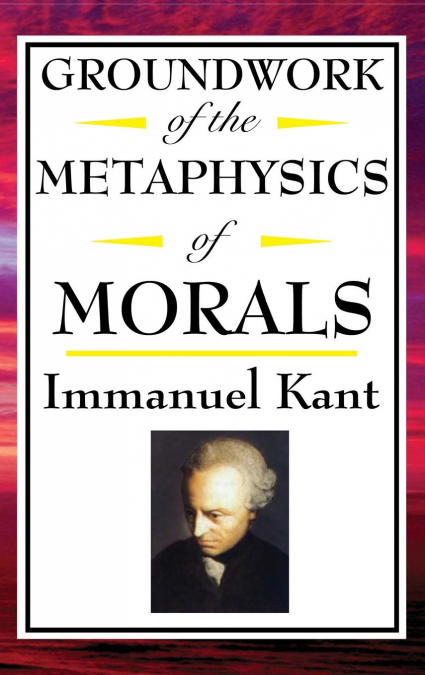
  • Kant
    Immanuel Kant
    Kant’s Groundwork of the Metaphysics of Morals is one of the most important works in modern moral philosophy. It belongs beside Plato, Aristotle, Machiavelli, and Hobbes. Here Kant sets out to articulate and defend the Categorical Imperative - the fundamental principle that underlies moral reasoning - and to lay the foundation for a comprehensive account of justice and human vi...
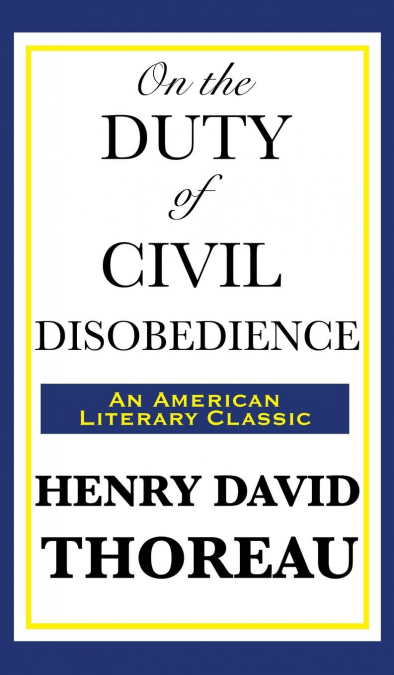
  • On the Duty of Civil Disobedience
    HENRY DAVID THOREAU
    Civil Disobedience argues that citizens should not permit their governments to overrule their consciences, and that they have a duty to avoid allowing their acquiescence to enable the government to make them the agents of injustice. Thoreau was motivated in part by his disgust with slavery and the Mexican-American War, but the sentiments he expresses here are just as pertinent ...
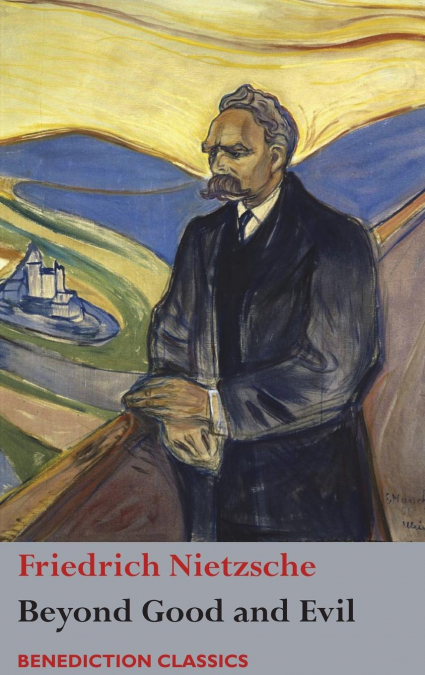
  • Beyond Good and Evil
    Friedrich Nietzsche
    Nietzsche, though primarily a philosopher, wrote widely on art, philology, history, religion, tragedy, culture, and science.  In 1886, at the height of his powers, he published Beyond Good and Evil.  Here he examines much of the best of human thought--dogmatic philosophy, Judeo-Christian morality, science and democracy – and finds it lacking.  Rejecting “slave-morality” he pres...
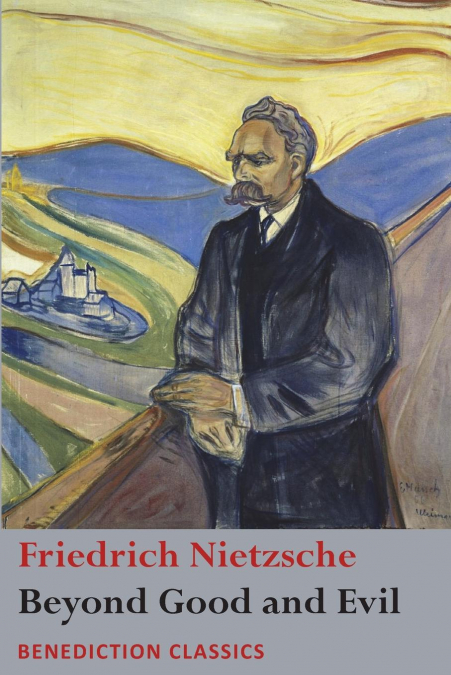
  • Beyond Good and Evil
    Friedrich Nietzsche
    Nietzsche, though primarily a philosopher, wrote widely on art, philology, history, religion, tragedy, culture, and science.  In 1886, at the height of his powers, he published Beyond Good and Evil.  Here he examines much of the best of human thought--dogmatic philosophy, Judeo-Christian morality, science and democracy – and finds it lacking.  Rejecting “slave-morality” he pres...
    Disponible

    9,99 €

Otros libros del autor

  • The Ethics of Inclusive Education
    Franziska Felder
    The Ethics of Inclusive Education clarifies the idea of inclusion and its normative content, and presents a coherent theoretical framework for inclusion and inclusive education. It serves as one of the first extended philosophical defenses in the field of inclusive education that goes beyond a simple assertion of educational value. ...
  • The Ethics of Inclusive Education
    Franziska Felder
    The Ethics of Inclusive Education clarifies the idea of inclusion and its normative content, and presents a coherent theoretical framework for inclusion and inclusive education. It serves as one of the first extended philosophical defenses in the field of inclusive education that goes beyond a simple assertion of educational value. ...
    Disponible

    70,51 €