Dictators, Democrats, and Development in Southeast Asia

Dictators, Democrats, and Development in Southeast Asia

Michael T. Rock

179,88 €
IVA incluido
Disponible
Editorial:
Oxford University Press
Año de edición:
2016
Materia
Economía del desarrollo y economías emergentes
ISBN:
9780190619862
179,88 €
IVA incluido
Disponible

Selecciona una librería:

  • Librería Samer Atenea
  • Librería Aciertas (Toledo)
  • Kálamo Books
  • Librería Perelló (Valencia)
  • Librería Elías (Asturias)
  • Donde los libros
  • Librería Kolima (Madrid)
  • Librería Proteo (Málaga)

Getting growth going has been rare in the developing world-since 1960 only nine developing countries have succeeded in sustaining high growth. The aim of Dictators, Democrats and Development in Southeast Asia is to examine how dictators and democrats in three of the nine fast growers -Indonesia, Malaysia and Thailand, hereafter IMT-built and sustained pro-growth political coalitions that enabled them to adopt policies that ushered in sustained high growth. The focus is on IMT because circa 1960 few thought the three were candidates for high growth and because the three have factor endowments, ethnic heterogeneity, and forms of governance that resemble the Rest. These similarities suggest the Rest may have much to learn from IMT. The focus is unabashedly on the politics of development in IMT because dictators and democrats in IMT built and sustained pro-growth political coalitions that enabled them to link their long term political survival with delivering development. How and why they did so should be of keen interest to the Rest. Because dictators and democrats in IMT were committed to capitalist, industrial and open economy development strategies but deeply suspicious of a laissez faire approach to development, none of the three ever adopted a Washington Consensus style growth strategy. While all three toyed with a Northeast style capitalist developmental state approach to growth, because governments in IMT lacked the political requisites to make this strategy work, none really stuck to this approach to growth either. Instead dictators and democrats in IMT implemented highly pragmatic growth and development strategies. When markets worked, governments used them. When interventions worked governments relied on them. When either failed to deliver expected results, governments weeded out bad investments to sustain high growth. Such a pragmatic, trial and error approach to development should also be of keen interest to the Rest.

Artículos relacionados

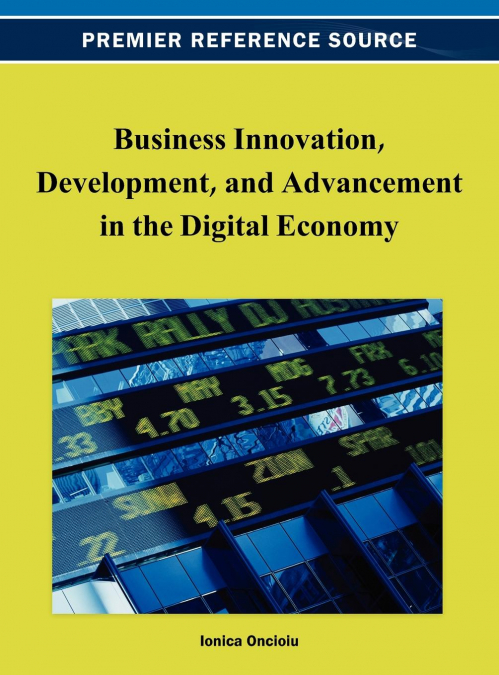
  • Business Innovation, Development, and Advancement in the Digital Economy
    Oncioiu
    Digital technologies maintain an important tool in today’s business economy. As the economy continues to change, businesses seek out solutions in order to enhance and develop their organization. Business Innovation, Development, and Advancement in the Digital Economy highlights the competitive advantages on the emerging digital economy. Bringing together the classic economy the...
    Disponible

    242,79 €

  • Green Technology Applications for Enterprise and Academic Innovation
    Ezendu Ariwa
    In the age of corporate responsibility, green technology and sustainability continue to grip the consciousness of business and academic institutions. However, development of appropriate business-driven green applications requires an awareness of best practices of the green agenda. Green Technology Applications for Enterprise and Academic Innovation addresses the importance of g...
    Disponible

    295,13 €

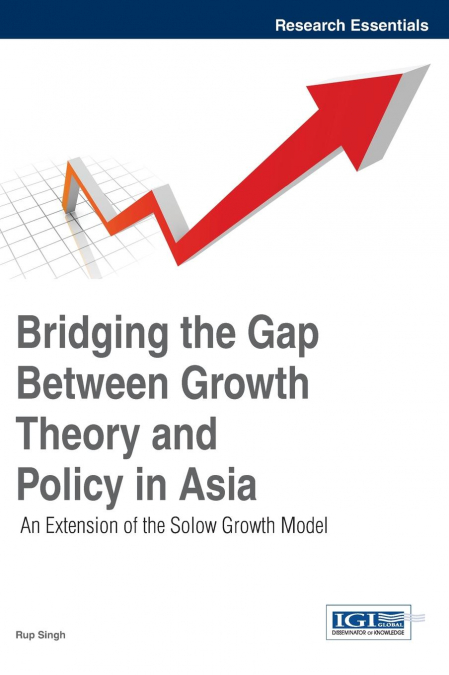
  • Bridging the Gap Between Growth Theory and Policy in Asia
    Rup Singh / Tatla Dar Singh
    Although economic growth is amongst the oldest of debates in Economics, there has been little advancement in growth theory since the classic works of Solow. As such, clear-cut answers to the context-specific determinants of growth, especially for developing countries, are rare. Bridging the Gap Between Growth Theory and Policy in Asia: An Extension of the Solow Growth Model add...
    Disponible

    255,83 €

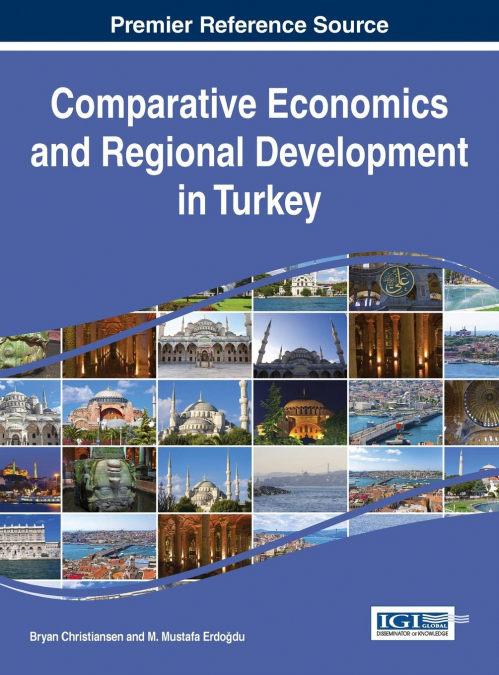
  • Comparative Economics and Regional Development in Turkey
    Bryan Christiansen / MMustafa Erdoğdu
    The rise of globalization has affected the ways in which nations maintain sustainable development and economic prosperity. Certain countries, such as Turkey, have evolved into a place of particular importance in the changing global economy. As such, it has become more important than ever to better understand the crucial role of such nations on an international scale. Comparativ...
    Disponible

    269,40 €

  • Global Perspectives on Trade Integration and Economies in Transition
    Vasily Erokhin
    In the era of globalization, foreign trade has an immense impact upon modern economies. To succeed in the global marketplace, sustainable development in trade practices is an imperative goal for countries to reach. Global Perspectives on Trade Integration and Economies in Transition is an authoritative reference source for the latest research on the dynamics of transitional eco...
    Disponible

    275,80 €

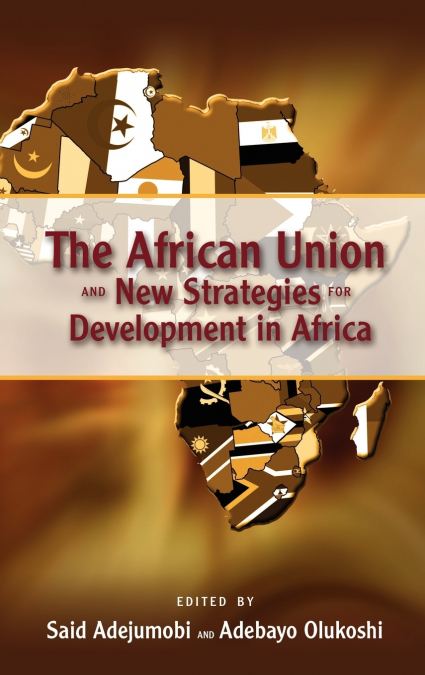
  • The African Union and New Strategies for Development in Africa
    The early twenty-first century witnessed remarkable attempts by Africa’s political leadership to promote regional integration as a means of fast-tracking economic progress, facilitating peace and security, consolidating democratic gains, and promoting the general welfare of the African people. The transition of the Organization of Unity (OAU) to the African Union (AU), as well ...
    Disponible

    146,42 €