

 Librería Samer Atenea
 Kálamo Books
 Librería Elías (Asturias)
 Librería Kolima (Madrid)
 Librería Proteo (Málaga)
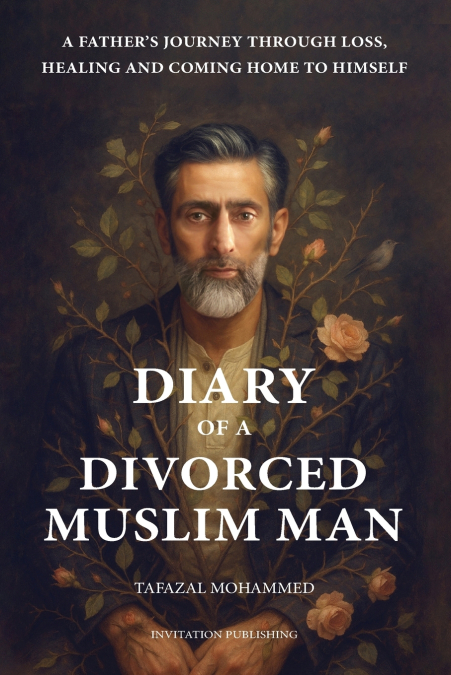
For much of his life, Taf had been the man others relied upon. A husband, a father, a provider. Someone who had learned to keep going, even when things were difficult, and to carry far more than he ever spoke about.When his marriage fell apart, he thought divorce was the deepest wound of his life.He would later discover it wasn’t.With divorce came shame, separation, grief and the unsettling question of who he was when the life he had worked so hard to build was no longer his.But this book was never meant to be about divorce alone.As Taf tried to understand what had happened, he found himself confronting questions he had avoided for years.Where does a man put the grief he doesn’t know how to name? And how much of the boy he once was is still shaping the husband, father and man he has become?Looking beyond his marriage, Taf returned to a childhood marked by loss, trauma and responsibilities no child should have to carry.Behind the man who had learned to endure was a little boy who had learned, far too early, that being strong often meant being silent.Diary of a Divorced Muslim Man follows that journey through loss, fatherhood, masculinity, trauma, faith, healing and the slow work of becoming whole again.Through intimate diary entries and reflections, Taf explores the loneliness of being a divorced Muslim man, the weight of cultural expectations, the emotions men are rarely encouraged to express, and the people and unexpected acts of kindness that helped him begin again.But this is also a book for those who love men they don’t always understand.For the wife who senses there is something her husband cannot put into words. For the daughter who knows her father loves her but knows little of the man behind Dad. For anyone who has wondered what lies beneath the silence of someone they care about.Because we meet the man as he is today, but we don’t always know the story that came before him.And there is a profound difference between knowing what happened to someone and understanding what it did to them.Understanding the past doesn’t excuse the hurt we may have caused others. But it can help us recognise the patterns we have carried forward and take responsibility for what we do with that understanding.There is grief here. Regret. Shame. Love. And the difficult realisation that surviving something is not the same as healing from it.This isn’t a manual for getting over divorce.It’s an account of what one man found when he finally stopped running from himself. 6


