
Inicio > Artes > Arte y diseño industrial / comercial > Design of Human-Powered Vehicles
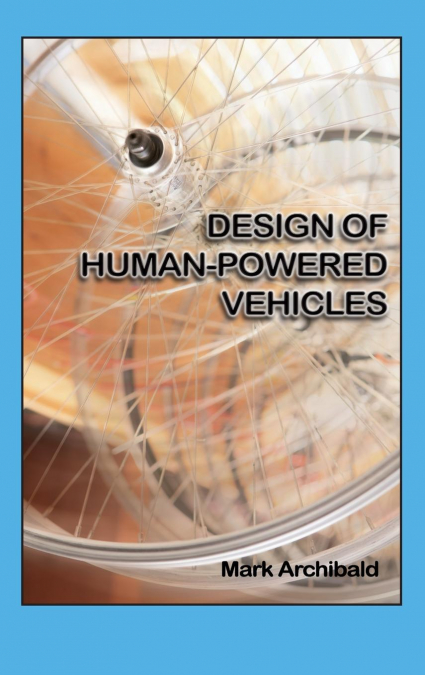
Design of Human-Powered Vehicles

Design of Human-Powered Vehicles

Design of Human-Powered Vehicles

Mark Archibald

99,20 €
IVA incluido
Disponible
Editorial:
ASME Press
Año de edición:
2016
Materia
Arte y diseño industrial / comercial
ISBN:
9780791861103
99,20 €
IVA incluido
Disponible

Selecciona una librería:

  • Librería Samer Atenea
  • Librería Aciertas (Toledo)
  • Kálamo Books
  • Librería Perelló (Valencia)
  • Librería Elías (Asturias)
  • Donde los libros
  • Librería Kolima (Madrid)
  • Librería Proteo (Málaga)

This book is about the design of vehicles with wheels that are powered by human muscles alone. These can provide affordable, sustainable, and healthy transportation to people around the globe. The term Human-Powered Vehicle, or HPV, is sometimes used to denote a sub-class of vehicles including only high-performance bicycles or tricycles equipped with aerodynamic fairings. More generally, the term refers to any semi-recumbent bicycle. But the term should properly refer to any means of carriage, conveyance, or transport that is powered solely by human muscles. This book is limited to design of human-powered vehicles for land use. There are many reasons why the design and use of such vehicles is beneficial. In developed countries, using an HPV in lieu of an automobile (or in lieu of a second automobile for a family) can save $5,000 to $10,000 each year, while improving health and reducing emissions of greenhouse gases and pollutants. Greenhouse gas emission will be reduced by more than 4,000 kg per year due to the corresponding reduction in energy consumption of more than 17,000 kWh. In addition, infrastructure for cycling is far less costly than highways designed for automotive traffic. Human-powered vehicles were originally designed for transportation, and that is still their most important use. HPVs today provide clean, quiet, and efficient transportation. Perhaps the most compelling reason to use HPVs is sustainability: the environmental footprint of HPVs is typically much, much smaller than that of other modes of transportation. Despite these commonalities, HPVs are used by a variety of different people for a wide range of diverse reasons, including recreation, competition, cost, health, transportation, and concern for the environment. The contents include manufacturing processes and materials, performance modeling, handling, drivetrains, structures, components, human performance, and design strategies.

Artículos relacionados

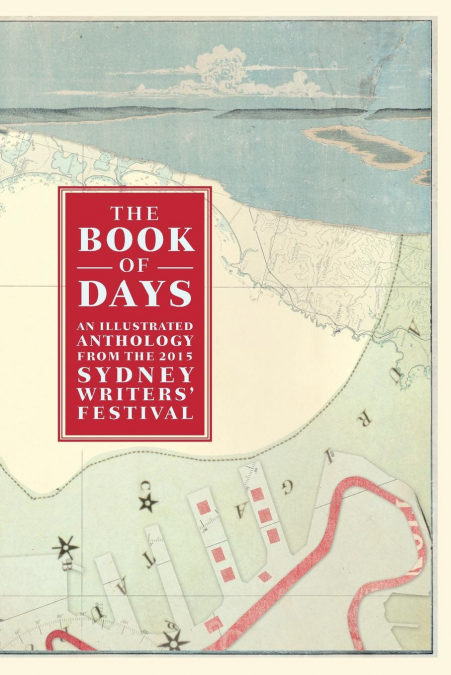
  • The Book of Days
    The Book of Days is an illustrated anthology from the 2015 Sydney Writers’ Festival. The book was designed live during the festival at a workstation next to the Pier 2/3 Main Stage at Walsh Bay. The anthology is divided into two parts. The first is a selection of writing and illustrations from festival presenters. It includes excerpts of what was read or shown at festival event...
    Disponible

    25,66 €

  • Visiones e Innovaciones
    Medardo Chiapponi
    En un panorama actual donde las innovaciones tecnológicas son tan articuladas y rápidamente cambiantes como no lo han sido nunca, es ilusorio pensar que se puede ejercer un control absoluto sobre una realidad tan compleja.En Visiones e Innovaciones el autor nos guía hacia las vías que parecen más prometedoras considerando no tanto las innovaciones tecnológicas en sí o sus aplic...
    Disponible

    24,96 €

  • Cosas del diseño
    Anna Calvera
    Abarca temas internacionales del mundo del diseño divididos en tres grandes temas, teoría del diseño, historia del diseño y estética. La autora con reflexiones profundas, inteligentes y con un toque de buen humor nos conduce de la mano y con gran claridad a través del desarrollo de la actividad del diseño siempre ligada a la cultura del ser humano, aportando además un amplio an...
    Disponible

    33,28 €

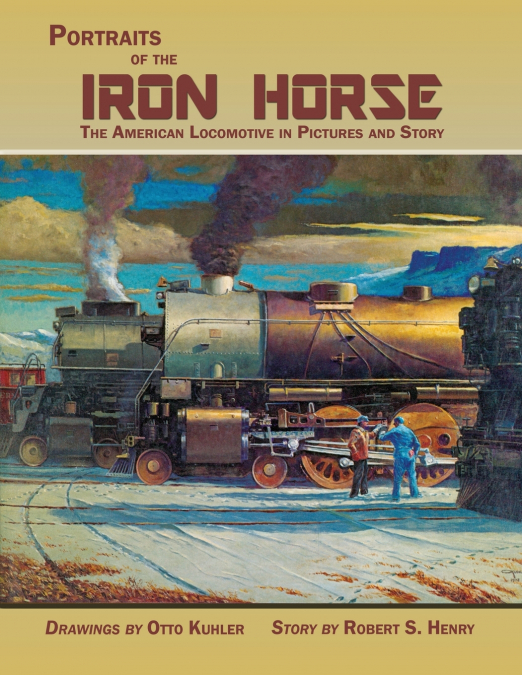
  • Portraits of the Iron Horse, The American Locomotive in Pictures and Story
    Otto Kuhler / Robert S. Henry
    Otto Kuhler was a German American designer, one of the best known industrial designers of the American railroads. According to 'Trains' magazine he stream-styled more locomotives and railroad cars than Cret, Dreyfuss and Loewy combined. His extensive concepts for the modernization of the American railroads had repercussions onto the railways worldwide until today. In addition h...
    Disponible

    16,49 €

  • Experience Thinking
    Tedde van Gelderen
    People don’t just buy products; they buy experiences. From the instant they consider a purchaseto the point when they’re ready to toss an older model for a new one, every moment ofinteraction matters. Therefore, to be successful, a business must develop an experience with itsentire life cycle in mind—a holistic approach that will ensure a “wow” factor from beginning toend. Draw...
    Disponible

    34,15 €

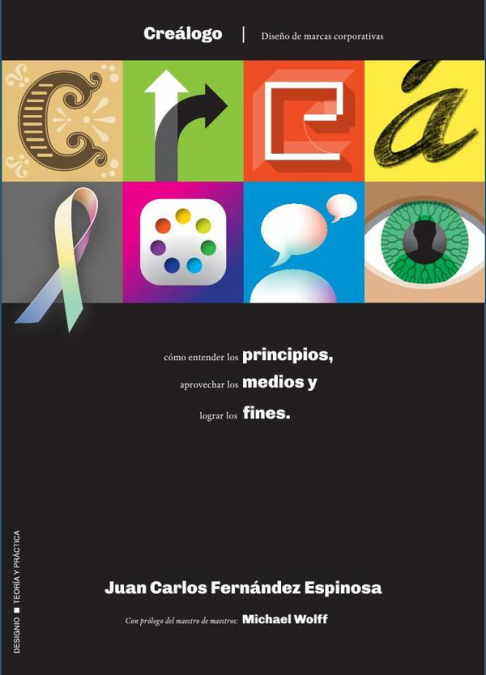
  • Creálogo
    Juan Carlos Fernández Espinosa
    El texto trata de deconstruir el proceso creativo en el diseño de un logo, y establecer ciertos lineamientos para saber qué creer y qué crear. Se pone énfasis en que el desarrollo de la identidad gráfica debe a la vez organizar todo el sistema de recursos —logos, colores, tipografías, imágenes y mensajes— para dotarla de los vehículos de comunicación idóneos para comunicarse co...
    Disponible

    26,00 €