Inicio > Humanidades > Filosofía > Ética y filosofía moral > Der Entwicklungsgang Der Kantischen Ethik Bis Zur Kritik Der Reinen Vernunft (1893)
Der Entwicklungsgang Der Kantischen Ethik Bis Zur Kritik Der Reinen Vernunft (1893)

Der Entwicklungsgang Der Kantischen Ethik Bis Zur Kritik Der Reinen Vernunft (1893)

Friedrich Wilhelm Foerster

24,81 €
IVA incluido
Disponible
Editorial:
Kessinger Publishing
Año de edición:
2010
Materia
Ética y filosofía moral
ISBN:
9781160431392
24,81 €
IVA incluido
Disponible

Selecciona una librería:

  • Librería Samer Atenea
  • Librería Aciertas (Toledo)
  • Kálamo Books
  • Librería Perelló (Valencia)
  • Librería Elías (Asturias)
  • Donde los libros
  • Librería Kolima (Madrid)
  • Librería Proteo (Málaga)

''Der Entwicklungsgang der Kantischen Ethik bis zur Kritik der reinen Vernunft'' ist ein Buch von Friedrich Wilhelm Foerster, das im Jahr 1893 ver������ffentlicht wurde. In diesem Werk beschreibt der Autor die Entwicklung der Ethik von Immanuel Kant bis zur Ver������ffentlichung von Kants Hauptwerk ''Kritik der reinen Vernunft''. Foerster untersucht dabei insbesondere die Frage, wie Kant seine Vorstellungen von Vernunft und Moral in seiner Philosophie vereinigt hat. Das Buch ist ein wichtiger Beitrag zur Philosophiegeschichte und bietet einen tiefen Einblick in die Gedankenwelt von Immanuel Kant und seinen Nachfolgern.This Book Is In German.This scarce antiquarian book is a facsimile reprint of the old original and may contain some imperfections such as library marks and notations. Because we believe this work is culturally important, we have made it available as part of our commitment for protecting, preserving, and promoting the world’s literature in affordable, high quality, modern editions, that are true to their original work.

Artículos relacionados

  • Ka Ab Ba Building The Lighted Temple
    Dr Terri R. Nelson / Dr Terri RNelson
    The book KaAbBa Building The Lighted Temple/Metaphysical Keys to the Tree of Life draws a circle that is inclusive of the Afrikan origin of the Ancient Kemetic/Egyptian wisdom. It reveals the undeniable root and link of Ancient Africa to all the religious systems that would develop worldwide. This book is explosive in its power to convey the meaning of KaAbBa, the Medu Neter  (...
    Disponible

    37,41 €

  • Technoethics and the Evolving Knowledge Society
    Rocci Luppicini
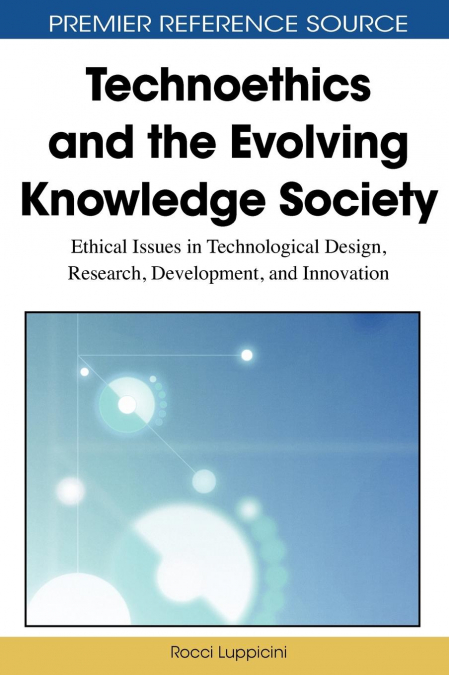
    Recently, there has been a major push to rediscover the ethical dimension of technology across the sciences, social sciences, and humanities. Technoethics and the Evolving Knowledge Society: Ethical Issues in Technological Design, Research, Development, and Innovation examines human processes and practices connected to technology embedded within social, political, and moral sph...
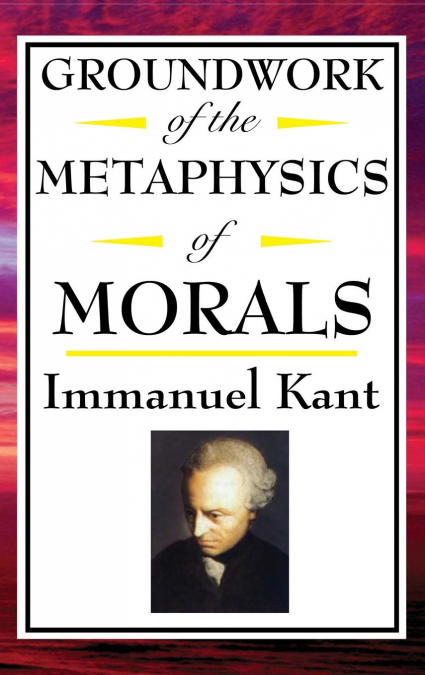
  • Kant
    Immanuel Kant
    Kant’s Groundwork of the Metaphysics of Morals is one of the most important works in modern moral philosophy. It belongs beside Plato, Aristotle, Machiavelli, and Hobbes. Here Kant sets out to articulate and defend the Categorical Imperative - the fundamental principle that underlies moral reasoning - and to lay the foundation for a comprehensive account of justice and human vi...
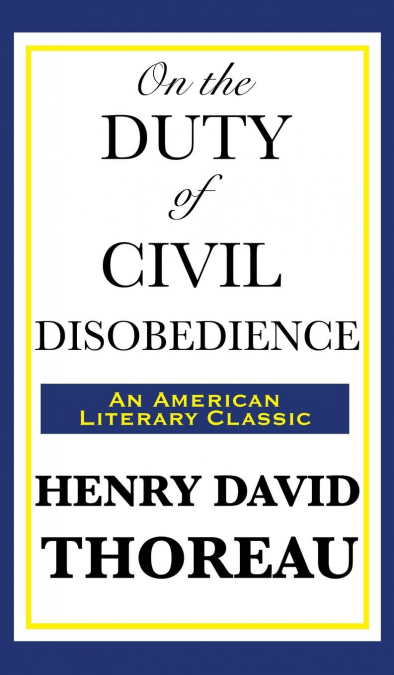
  • On the Duty of Civil Disobedience
    HENRY DAVID THOREAU
    Civil Disobedience argues that citizens should not permit their governments to overrule their consciences, and that they have a duty to avoid allowing their acquiescence to enable the government to make them the agents of injustice. Thoreau was motivated in part by his disgust with slavery and the Mexican-American War, but the sentiments he expresses here are just as pertinent ...
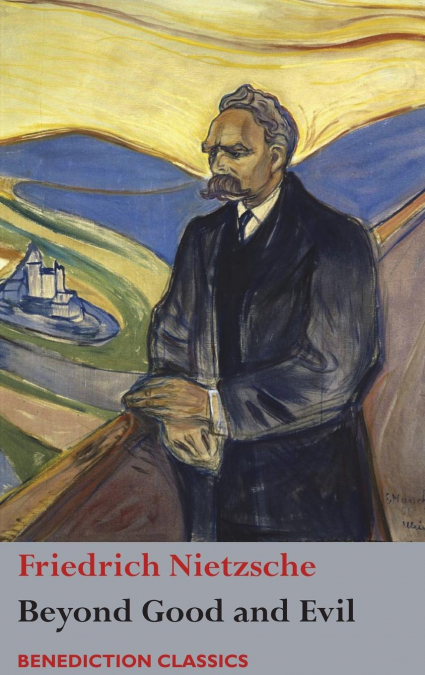
  • Beyond Good and Evil
    Friedrich Nietzsche
    Nietzsche, though primarily a philosopher, wrote widely on art, philology, history, religion, tragedy, culture, and science.  In 1886, at the height of his powers, he published Beyond Good and Evil.  Here he examines much of the best of human thought--dogmatic philosophy, Judeo-Christian morality, science and democracy – and finds it lacking.  Rejecting “slave-morality” he pres...
  • Beyond Good and Evil
    Friedrich Nietzsche
    Nietzsche, though primarily a philosopher, wrote widely on art, philology, history, religion, tragedy, culture, and science.  In 1886, at the height of his powers, he published Beyond Good and Evil.  Here he examines much of the best of human thought--dogmatic philosophy, Judeo-Christian morality, science and democracy – and finds it lacking.  Rejecting “slave-morality” he pres...
    Disponible

    9,99 €

Otros libros del autor

  • Lebensfragen und Lebensbilder, 1902
    Friedrich Wilhelm Foerster
    Lebensfragen und Lebensbilder (Questions of Life and Pictures of Life), written by Friedrich Wilhelm Foerster and published in 1902, explores fundamental questions of human existence through philosophical and ethical lenses. Foerster, known for his contributions to moral philosophy and social ethics, delves into the complexities of living a meaningful life in the modern world. ...
    Disponible

    26,02 €

  • A Voice From Germany
    Friedrich Wilhelm Foerster
    ''A Voice From Germany: Why German Peace Declarations Fail To Convince: Austria�������s Peace Proposals, The Letter To Prince Sixtus (1918)'' is a book written by Friedrich Wilhelm Foerster. The book explores the reasons behind the failure of German peace declarations during World War I to convince the international community of their sincerity. Foerster focuses on Austria’s pe...
    Disponible

    23,63 €