
Inicio > Humanidades > Filosofía > Der Begriff der Freiheit bei Jean-Paul Sartre
Der Begriff der Freiheit bei Jean-Paul Sartre

Der Begriff der Freiheit bei Jean-Paul Sartre

Der Begriff der Freiheit bei Jean-Paul Sartre

Agnes Uken

51,64 €
IVA incluido
Disponible
Editorial:
GRIN Verlag
Año de edición:
2007
Materia
Filosofía
ISBN:
9783638711715
51,64 €
IVA incluido
Disponible

Selecciona una librería:

  • Librería Samer Atenea
  • Librería Aciertas (Toledo)
  • Kálamo Books
  • Librería Perelló (Valencia)
  • Librería Elías (Asturias)
  • Donde los libros
  • Librería Kolima (Madrid)
  • Librería Proteo (Málaga)

Examensarbeit aus dem Jahr 2003 im Fachbereich Philosophie - Philosophie des 20. Jahrhunderts / Gegenwart, Note: 1,0, Universität Hamburg, 61 Quellen im Literaturverzeichnis, Sprache: Deutsch, Abstract: Sartres Leben und Werk sind vor allem durch sein immer währendes Engagement für die Freiheit geprägt. Ob als Philosoph, Staatsbürger, Dramaturg oder Schriftsteller stets galt das Hauptinteresse Sartres dem Thema der Freiheit. Da der Mensch die Erfahrung der Freiheit macht, d.h. sich als selbstbestimmt handelnd und denkend versteht, erhebt sich die Frage einer philosophischen Begründung der Freiheit. Sartre fasst die Freiheit nun aber nicht wie zum Teil in der Tradition vor ihm als eine Eigenschaft des Menschen auf, sondern als eine Grundbestimmung des menschlichen Seins, die von seiner Existenz nicht zu trennen ist. Zunächst versteht Sartre wie auch Kant Freiheit als Freiheit von Kausalität. Eine freie Tat ist als eine absolut neue Schöpfung zu verstehen, deren Keim nicht in einem früheren Zustand der Welt enthalten ist, denn dann wäre sie ja nicht frei, sondern kausal bestimmt. Infolgedessen sind Freiheit und Schöpfung eins. Während Kant die Frage der Vereinbarkeit von Naturkausalität und Freiheit löst, indem er eine Trennung von Ding-an-sich und Erscheinung vornimmt, versucht Sartre ohne eine solche Trennung auszukommen, indem er Freiheit vor aller Bestimmung im Sein des Menschen verankert. Die vorliegende Arbeit zeichnet diese ontologische Begründung der Freiheit nach, stellt die zentrale Bedeutung der Intentionalität und Negativität heraus und zeigt, inwiefern dem Bewusstsein eine Schlüsselstelle in der Sartreschen Philosophie zukommt. Ausgangspunkt ist die Auseinandersetzung Sartres mit der Phänomenologie Husserls auf deren Basis Sartre seine eigene Philosophie weiterentwickelt und schließlich zur phänomenologischen Ontologie gelangt, wie sie sich in 'Das Sein und das Nichts' findet. Verdeutlicht werden der besondere Stellenwert des präreflex

Artículos relacionados

  • Introduction to a Future Way of Thought
    Kostas Axelos / Kenneth Mills
    'Technologists only change the world in various ways in generalized indifference; the point is to think the world and interpret the changes in its unfathomability, to perceive and experience the difference binding being to the nothing.'Anticipating the age of planetary technology Kostas Axelos, a Greek-French philosopher, approaches the technological question in this book, firs...
    Disponible

    18,58 €

  • Capsule
    John Kenneth Press
    Join John and Adam as they wander the mean streets of Japan on a psychedelic fueled search for identity. While fun for the average reader, this book could also serve as a philosphy textbook because of its ordered exploration of sources of identity. Ultimately this trip through nationalist attacks, sex, and drugs, will take you to a better understanding of yourself and your pl...
    Disponible

    11,51 €

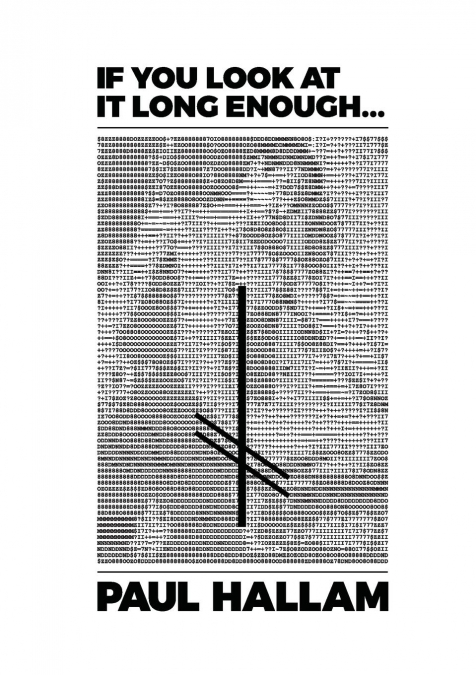
  • If you look at it long enough...
    Paul Hallam
    Originally written for an academic journal, If you look at it long enough... is primarily a personal account of Paul Hallam’s recollections of “self-abuse” through the consumption of porn over several decades. Challenging the familiar form of an “academic essay,” this autobiographical narrative raises several questions in relation to our contemporary morals related to sex in ge...
    Disponible

    11,30 €

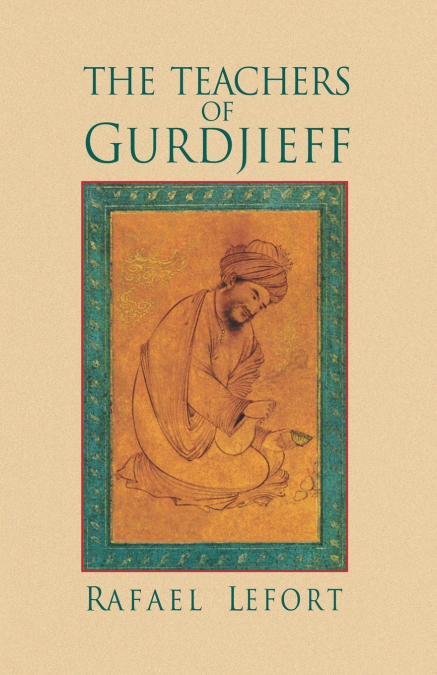
  • The Teachers of Gurdjieff
    Rafael Lafort / Rafael Lefort
    When The Teachers of Gurdjieff was first published more than 50 years ago, it made a considerable stir. George Ivanovich Gurdjieff had been one of the most famous mystics in the West in the first half of the 20th century - a teaching master who had many fashionable and influential pupils. He had a striking appearance and manner of teaching, and his teaching proved to be very in...
    Disponible

    20,45 €

  • Manifesto of the Communist Party
    Karl Marx
    The Communist Manifesto was first published on February 21, and it is one of the world’s most influential political tracts. Commissioned by the Communist League and written by communist theorists Karl Marx and Friedrich Engels, it laid out the League’s purposes and program. The Manifesto suggested a course of action for a proletarian (working class) revolution to overthrow the ...
  • The Art of Literature
    Arthur Schopenhauer
    Collected here are eight short essays, On Authorship, On Style, On the Study of Latin, On Men of Learning, On Thinking for Ones Self, On Criticism, On Reputation, On Genius, by the world renowned philosopher Arthur Achopenhauer. ...

Otros libros del autor