 Librería Samer Atenea
 Kálamo Books
 Librería Elías (Asturias)
 Librería Kolima (Madrid)
 Librería Proteo (Málaga)
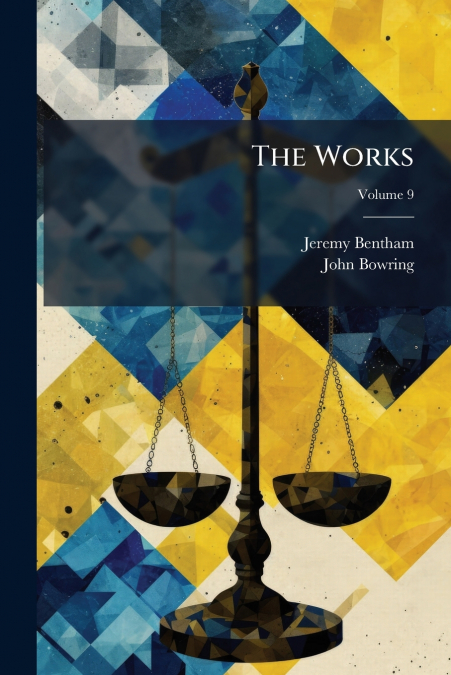
Where duty meets self-interest: Bentham’s Deontology. Clear and uncompromising, it collects a sustained argument about the harmony of obligation and advantage, drawn from Bentham’s manuscripts. A cornerstone of moral thought. Presented here as both an ethical theory collection and a philosophical essays anthology, the text explores duty and self-interest alongside the relations of virtue and happiness and the balance between prudence and benevolence. Readers will find lucid expositions that anticipate debates in utilitarianism origins, offering insight into eighteenth-century ethics and the sweep of Enlightenment-era philosophy without disguising the hard choices moral reasoning demands. As a philosophy students resource and as an academic ethics reference, this volume rewards close study; yet its direct prose and moral seriousness also make it accessible to curious general readers and collectors of classic moral philosophy. The material ranges from abstract principle to concrete application, making it a practical companion for anyone exploring moral calculation and public reform. The work’s combination of analytic clarity and prescriptive force rewards solitary reflection and seminar debate alike.Republished by Alpha Editions in a careful modern edition, this volume preserves the spirit of the original while making it effortless to enjoy today - a heritage title prepared for readers and collectors alike. Its historical importance is plain: Deontology stands within the works of Jeremy Bentham as a formative attempt to reconcile duty and self-interest and to articulate the principles that underpin later utilitarian thought. Beyond its arguments, the book records a transitional moment in moral theory; Bentham’s insistence on measurable consequences and his effort to harmonise prudence and benevolence helped make the utilitarian programme an organising lens for modern ethics. Casual readers will appreciate the clarity, students will find a reliable philosophy students resource and academics a steady academic ethics reference, while collectors of eighteenth-century ethics and Enlightenment-era writing will value a carefully prepared edition that restores Bentham’s voice to active conversation about classic moral philosophy.