Deep Brain Stimulation

Deep Brain Stimulation

Kelvin L. Chou MD / Kelvin L. MD Chou / Kelvin LChou MD / MSN Susan Grube RN / Parag G. MD PhD Patil / PhD Parag Patil MD / Susan RN MSN Grube

28,39 €
IVA incluido
Disponible
Editorial:
Springer Publishing
Año de edición:
2011
Materia
Neurología y neurofisiología clínicas
ISBN:
9781936303113
28,39 €
IVA incluido
Disponible

Selecciona una librería:

  • Librería Samer Atenea
  • Librería Aciertas (Toledo)
  • Kálamo Books
  • Librería Perelló (Valencia)
  • Librería Elías (Asturias)
  • Donde los libros
  • Librería Kolima (Madrid)
  • Librería Proteo (Málaga)

In the United States, an estimated 42 million people suffer from some form of movement disorder. Common movement disorders include Parkinson’s disease (PD), essential tremor (ET), and dystonia. Although medications may be helpful for these conditions, in many patients, symptoms cannot be controlled with medications alone. In such situations, their physicians may recommend a surgical procedure known as Deep Brain Stimulation (DBS). DBS is a revolutionary technology using an implanted device to deliver electrical stimulation to the brain to help symptoms, alleviate suffering, and improve quality of life. The Food and Drug Administration (FDA) approved DBS as a treatment for essential tremor in 1997, for Parkinson’s disease in 2002, and dystonia in 2003. Deep brain stimulation has dramatically changed the lives of many patients with uncontrollable tremors. Patients often can resume normal activities, such as feeding and dressing themselves, and can have active and fulfilling lives. The need for anti-tremor medications is often reduced or eliminated. Though it’s no longer considered experimental, DBS is, for now, still used as a second- or third-line treatment, reserved for patients with more advanced cases of the disease and those for whom medication alone is inadequate or can’t be adjusted precisely enough to keep their tremors and writhing under control. However the idea of this surgery being a 'last resort' is an evolving concept. Ten years ago doctors were operating on only the most severe, disabled, wheelchair-dependent patients, now they are operating on patients with moderate-to-severe cases of PD, ET and Dystonia. The thought is that this trend will continue. Instead of saying 'wait another five to ten years until you become more disabled' doctors are realizing that the earlier they use DBS, the more they can improve the quality of life of their patients.
Artículos relacionados

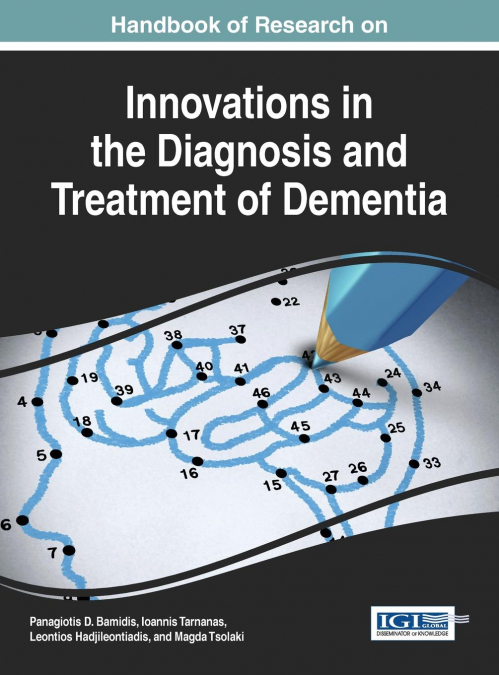
  • Handbook of Research on Innovations in the Diagnosis and Treatment of Dementia
    Ionnis Tarnanas / Leontios Hadjileontiadis / Panagiotis D Bamidis
    Technology is playing an increasing role in the lives of the elderly. One of the most prevalent developments for the aging population is the use of technological innovations for intervention and treatment of individuals with mental impairments. The Handbook of Research on Innovations in the Diagnosis and Treatment of Dementia offers empirical research and theoretical analyses o...
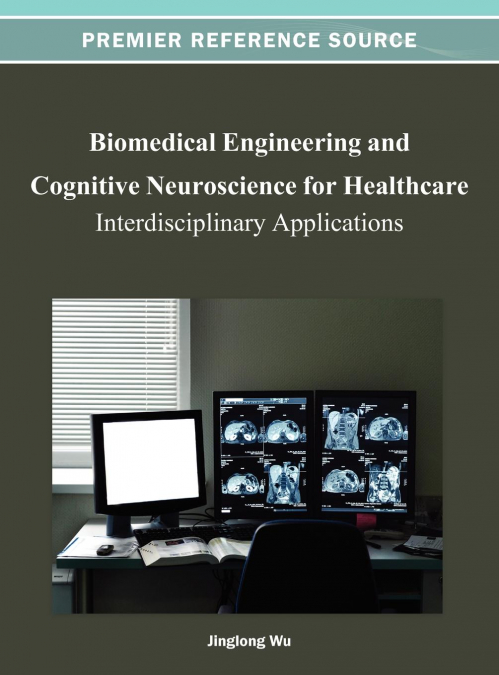
  • Biomedical Engineering and Cognitive Neuroscience for Healthcare
    Jinglong Wu
    New developments in medical technology have paved the way for the ongoing studies of cognitive neuroscience and biomedical engineering for healthcare. Their different but interconnected aspects of science and technology seek to provide new solutions for difficult healthcare problems and impact the future of the quality of life. Biomedical Engineering and Cognitive Neuroscience ...
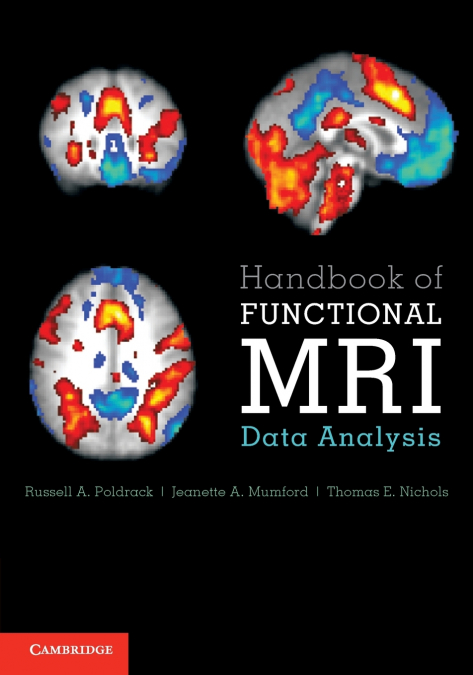
  • Handbook of Functional MRI Data Analysis
    Jeanette A. Mumford / Russell A. Poldrack / Thomas E. Nichols
    ...
    Disponible

    63,88 €

  • How Do You Feel?
    A. D. Craig
    A book that fundamentally changes how neuroscientists and psychologists categorize sensations and understand the origins and significance of human feelingsHow Do You Feel? brings together startling evidence from neuroscience, psychology, and psychiatry to present revolutionary new insights into how our brains enable us to experience the range of sensations and mental states kno...
    Disponible

    47,73 €

  • Deep Learning Approaches for Early Diagnosis of Neurodegenerative Diseases
    Within the context of global health challenges posed by intractable neurodegenerative diseases like Alzheimer’s and Parkinson’s, the significance of early diagnosis is critical for effective intervention, and scientists continue to discover new methods of detection. However, actual diagnosis goes beyond detection to include a significant analysis of combined data for many cases...
  • Ignite Global Change
    Alessandro Crimi
    Your essential guide to global entrepreneurship and activism. From Accra and Mumbai to Milan and New York, a vibrant new generation of activist entrepreneurs turn visionary ideas into impactful realities. Ignite Global Change offers a roadmap for crafting wealth from minimal resources, from ideation to implementation. Its practical, real-world approach provides strategies that ...
    Disponible

    23,34 €