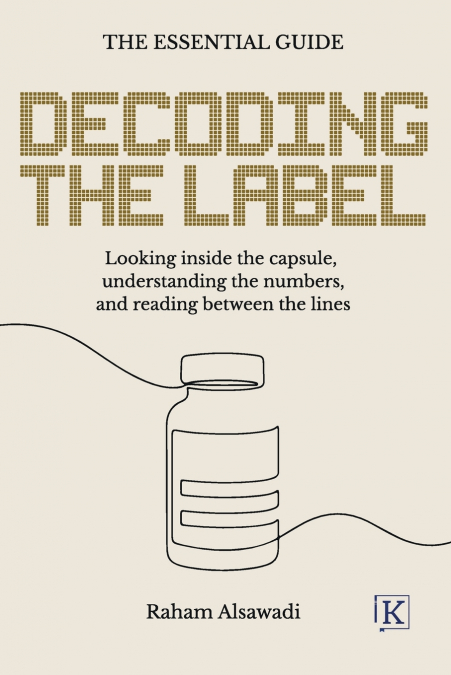

Decoding the Label

Decoding the Label

Raham Alsawadi

10,72 €
IVA incluido
Disponible
Editorial:
Kanthos House
Año de edición:
2026
ISBN:
9781067658977
10,72 €
IVA incluido
Disponible

Selecciona una librería:

  • Librería Samer Atenea

  • Kálamo Books
  • Librería Elías (Asturias)
  • Librería Kolima (Madrid)
  • Librería Proteo (Málaga)

Do you actually know what’s inside your supplements?The label says 'High Strength.' The number looks impressive. The ingredients list is long. But what does any of it actually mean - and are you getting what you think you’re paying for?Decoding the Label cuts through the confusion. Written by an NHS doctor with direct experience of the supplement industry, this practical guide gives you the tools to read any supplement label clearly, compare products honestly, and make confident choices - without being misled by packaging, marketing language, or cleverly presented numbers.Inside you’ll discover:Why the headline milligram figure is often not what it appearsThe difference between active ingredients and compound forms - and why it mattersHow fillers, bulking agents, and 'perception fillers' take up space that should be used for activesWhat extract ratios and standardisation percentages actually tell youHow proprietary blends hide dosing information - and what you can still work outThe marketing tactics behind 'equivalent to,' 'high strength,' and 'premium' claimsA simple 30-second framework for evaluating any label in secondsWhether you spend £10 or £50 on a supplement, you deserve to know what you’re actually buying.Clear, evidence-based, and free from industry bias - Decoding the Label is the guide the supplement industry would rather you didn’t read.
Artículos relacionados

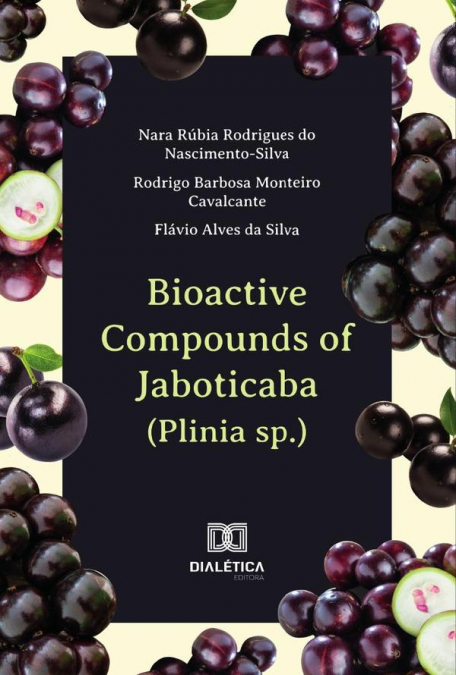
  • Bioactive Compounds Of Jaboticaba (Plinia Sp.)
    Flávio Alves Da Silva / Nara Rúbia Rodrigues Do Nascimento-Silva / Rodrigo Barbosa Monteiro Cavalcante
    The Whole Jaboticaba Fruit Stood Out For Its High Levels Of Total Polyphenols, Mainly Anthocyanins (Cyanidin And Delphinidin), Ellagic Acid, Methylellagic Acid, Gallic Acid, Myricetin, Quercetin, Castalagin, Pedunculagin And Vescalagin. When Evaluating The Behavior Of These Compounds After In Vitro Digestion, It Is Observed That Anthocyanins Did Not Suffer As Much In The Saliva...
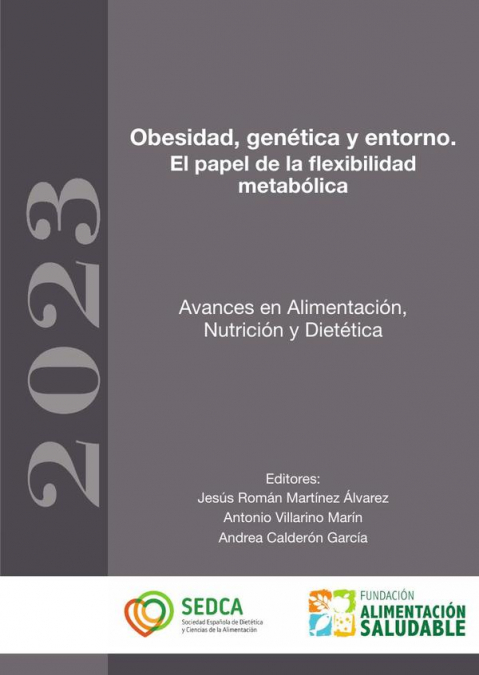
  • Obesidad, genética y entorno. El papel de la flexibilidad metabólica
    Fundación alimentación saludable
    Afortunadamente, gracias a la investigación, somos más conscientes de que la obesidad no es una patología que se deba en exclusiva a la desidia ola falta de voluntad del sujeto y que los mensajes de culpabilidad o estigmatización hacia los pacientes no sólo no ayudan a poner freno al sobrepeso, sino que pueden perjudicar seriamente su salud mental. También sabemos, y esto es mu...
    Disponible

    20,00 €

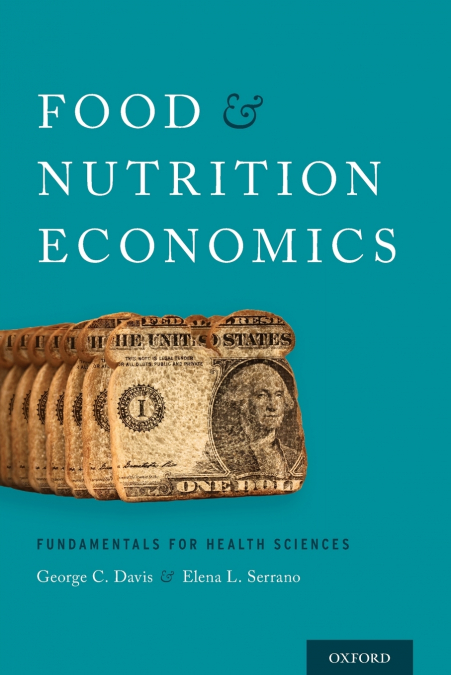
  • FOOD AND NUTRITION ECONOMICS P
    GEORGE C DAVIS
    ...
    Disponible

    125,42 €

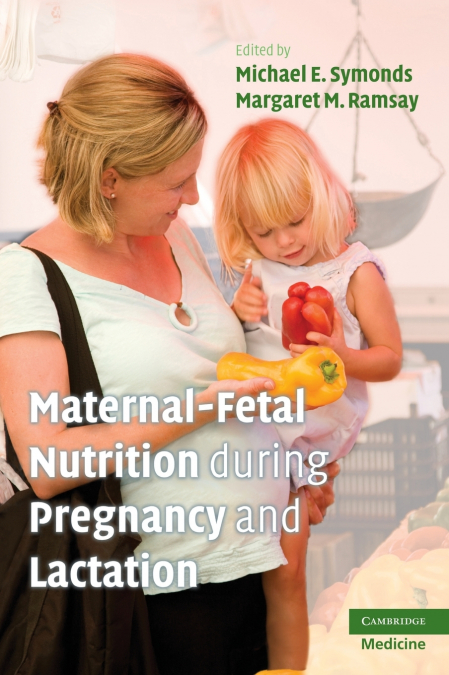
  • Maternal-Fetal Nutrition During Pregnancy and Lactation
    ...
  • The Myths About Nutrition Science
    David Lightsey
    The Myths About Nutrition Science provides an authoritative, yet readily understandable, overview of the common misunderstandings that are commonplace within consumer or athletic communities regarding the food production process and nutrition science, which may affect their physical development, performance, and long-term health ...
  • Local Food Environments
    Allison E. Karpyn / Kimberly B. Morland / Yael M. Lehmann
    This second edition contains four sections including (1) disparities between local food environments in the United States; (2) effect of restricted local food environments on dietary intake; (3) interventions to local food environment and their impact on communities; and (d) macro-level influence on the development of local food environments. ...