David Hume

David Hume

Doreen Kötschau

25,53 €
IVA incluido
Disponible
Editorial:
GRIN Verlag
Año de edición:
2008
Materia
Filosofía
ISBN:
9783640212187
25,53 €
IVA incluido
Disponible

Selecciona una librería:

  • Librería Samer Atenea
  • Librería Aciertas (Toledo)
  • Kálamo Books
  • Librería Perelló (Valencia)
  • Librería Elías (Asturias)
  • Donde los libros
  • Librería Kolima (Madrid)
  • Librería Proteo (Málaga)

Studienarbeit aus dem Jahr 2007 im Fachbereich Philosophie - Philosophie des 17. und 18. Jahrhunderts, Note: 1,7, Friedrich-Schiller-Universität Jena (Institut für Philosophie), Veranstaltung: Humes praktische Philosophie, Sprache: Deutsch, Abstract: „ Nie ist es einem literarischen Unternehmen unglücklicher ergangen als meinem Traktat über die menschliche Natur: Als Totgeburt fiel er aus der Presse und fand nicht einmal so viel Beachtung, um wenigstens unter den Eiferern ein leises Murren zu erzeugen.' , so schrieb David Hume selbst über das Werk, mit dem ich mich auszugsweise in dieser Hausarbeit beschäftigen möchte.David Hume wurde am 7. Mai 1711 in Edinburgh geboren und starb am 25. August 1776 in seinem Geburtsort. Sein „Traktat über die menschliche Natur' entstand 1737 während eines Aufenthaltes in Frankreich. Hume selbst tat ihn als unreifes Jugendwerk ab. 1739 erschienen der erste und zweite Band des Traktats.Der Traktat gliedert sich in drei Bücher; das erste Buch behandelt den Verstand, das zweite Buch die Affekte und das dritte die Moral.„Hume’s moral theory is an aspect of the more general account of man’s emotional nature. Hume, in the second two books of the Treatise, is concerned with an attempt to discover those psychological laws that explain human emotions (including moral emotions) and the behviour of people in societey. There is no neat division between Hume’s psychology and his moral theory.' Hume war über die desolate Wissenschaftssituation frustriert und wollte einen Neuanfang machen. Er war der Meinung, dass wir uns zuerst mit uns selbst und unserem eigenen Geist befassen müssen: Was kann unser Geist und was nicht? Ausgehend von dieser Frage legt Hume schon am Anfang des zweiten Bandes des Traktats über die menschliche Natur grundlegende Unterscheidungen fest. Wenn diese schon bestritten werden können, würde Humes Theorie ins Nichts verlaufen, denn auf diese bezieht er sich im Traktat immer wieder.

Artículos relacionados

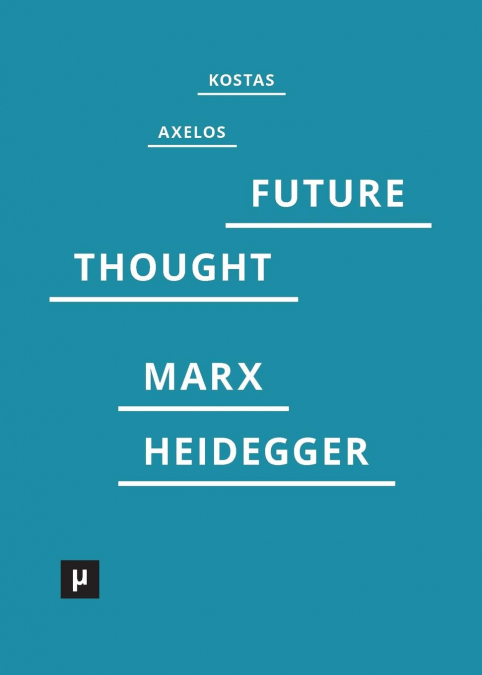
  • Introduction to a Future Way of Thought
    Kostas Axelos / Kenneth Mills
    'Technologists only change the world in various ways in generalized indifference; the point is to think the world and interpret the changes in its unfathomability, to perceive and experience the difference binding being to the nothing.'Anticipating the age of planetary technology Kostas Axelos, a Greek-French philosopher, approaches the technological question in this book, firs...
    Disponible

    18,58 €

  • Capsule
    John Kenneth Press
    Join John and Adam as they wander the mean streets of Japan on a psychedelic fueled search for identity. While fun for the average reader, this book could also serve as a philosphy textbook because of its ordered exploration of sources of identity. Ultimately this trip through nationalist attacks, sex, and drugs, will take you to a better understanding of yourself and your pl...
    Disponible

    11,51 €

  • If you look at it long enough...
    Paul Hallam
    Originally written for an academic journal, If you look at it long enough... is primarily a personal account of Paul Hallam’s recollections of “self-abuse” through the consumption of porn over several decades. Challenging the familiar form of an “academic essay,” this autobiographical narrative raises several questions in relation to our contemporary morals related to sex in ge...
    Disponible

    11,30 €

  • The Teachers of Gurdjieff
    Rafael Lafort / Rafael Lefort
    When The Teachers of Gurdjieff was first published more than 50 years ago, it made a considerable stir. George Ivanovich Gurdjieff had been one of the most famous mystics in the West in the first half of the 20th century - a teaching master who had many fashionable and influential pupils. He had a striking appearance and manner of teaching, and his teaching proved to be very in...
    Disponible

    20,45 €

  • Manifesto of the Communist Party
    Karl Marx
    The Communist Manifesto was first published on February 21, and it is one of the world’s most influential political tracts. Commissioned by the Communist League and written by communist theorists Karl Marx and Friedrich Engels, it laid out the League’s purposes and program. The Manifesto suggested a course of action for a proletarian (working class) revolution to overthrow the ...
  • The Art of Literature
    Arthur Schopenhauer
    Collected here are eight short essays, On Authorship, On Style, On the Study of Latin, On Men of Learning, On Thinking for Ones Self, On Criticism, On Reputation, On Genius, by the world renowned philosopher Arthur Achopenhauer. ...

Otros libros del autor

  • Welche Bedeutung haben Liebe und Hass im Zyklus des Werdens und Vergehens bei Empedokles?
    Doreen Kötschau
    Studienarbeit aus dem Jahr 2008 im Fachbereich Ethik, Note: 2,0, Friedrich-Schiller-Universität Jena (Institut für Philosophie), Veranstaltung: Die Vorsokratiker, Sprache: Deutsch, Abstract: Liebe und Hass sind Mächte, die die Menschheit beherrschten und beherrschen, früher und heute. Bei dem vorsokratischen Philosophen Empedokles werden sie sogar als göttliche Mächte definier...
    Disponible

    24,24 €

  • Hartmann von Aue ’Gregorius’ - Ist Gregorius ein guter Sünder?
    Doreen Kötschau
    Studienarbeit aus dem Jahr 2006 im Fachbereich Germanistik - Ältere Deutsche Literatur, Mediävistik, Note: 2,0, Friedrich-Schiller-Universität Jena (Germanistische Literaturwissenschaft), Veranstaltung: Hartmann von Aue: Gregorius, Sprache: Deutsch, Abstract: Zwei Herzogskinder verlieren ihre Eltern und wachsen in Eintracht und geschwisterlicher Liebe miteinander auf. Die Liebe...
    Disponible

    25,64 €