
Inicio > Humanidades > Filosofía > Das Menschenbild im platonischen Denken
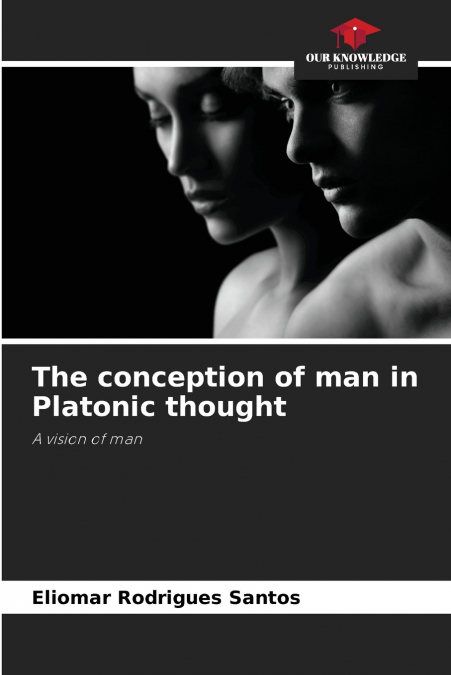
Das Menschenbild im platonischen Denken

Das Menschenbild im platonischen Denken

Eliomar Rodrigues Santos

41,63 €
IVA incluido
Disponible
Editorial:
KS OmniScriptum Publishing
Año de edición:
2024
Materia
Filosofía
ISBN:
9786208522735
41,63 €
IVA incluido
Disponible

Selecciona una librería:

  • Librería Samer Atenea
  • Librería Aciertas (Toledo)
  • Kálamo Books
  • Librería Perelló (Valencia)
  • Librería Elías (Asturias)
  • Donde los libros
  • Librería Kolima (Madrid)
  • Librería Proteo (Málaga)

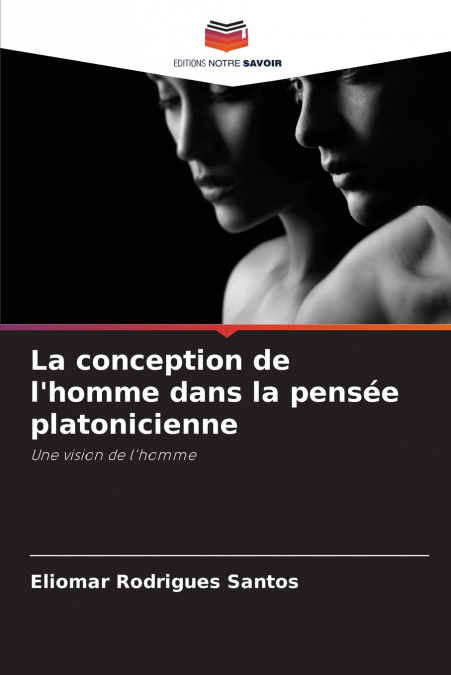
Seit der Antike hat der Mensch seine Präsenz in der Welt in Frage gestellt, und so stellt Platon sein anthropologisches Projekt vor, das das Thema der Unsterblichkeit der Seele einführt und einen großen Teil der platonischen Anthropologie untermauert, sowie das Buch IV der Republik, in dem er die Dreiteilung hervorhebt, die Platon bei der Organisation seines idealen Staates anwendet. Nach einer historischen Annäherung an das anthropologische Denken geht es weiter zur archaischen Periode der griechischen Gesellschaft, zu den Vorsokratikern, den Sophisten und schließlich zu den Studien Platons, einer in der Philosophie einzigartigen Figur, was die Aufgabe der Definition des Menschen angeht. Seine Anthropologie leitete eine neue Phase des anthropologischen Denkens ein, die auf seinem ontologischen Ansatz beruht. Für Platon ist das Wesen des Menschen seine Seele. Schließlich wird die Perspektive einer nicht-dualistischen Haltung für die platonische Anthropologie im Timaios mit der Möglichkeit einer triadischen Dimension der Interpretation seines geschriebenen und ungeschriebenen Denkens vorgestellt. Auf diese Weise prägt die platonische Anthropologie die gesamte Geschichte des westlichen Denkens über den Menschen.

Artículos relacionados

  • Introduction to a Future Way of Thought
    Kostas Axelos / Kenneth Mills
    'Technologists only change the world in various ways in generalized indifference; the point is to think the world and interpret the changes in its unfathomability, to perceive and experience the difference binding being to the nothing.'Anticipating the age of planetary technology Kostas Axelos, a Greek-French philosopher, approaches the technological question in this book, firs...
    Disponible

    18,58 €

  • Capsule
    John Kenneth Press
    Join John and Adam as they wander the mean streets of Japan on a psychedelic fueled search for identity. While fun for the average reader, this book could also serve as a philosphy textbook because of its ordered exploration of sources of identity. Ultimately this trip through nationalist attacks, sex, and drugs, will take you to a better understanding of yourself and your pl...
    Disponible

    11,51 €

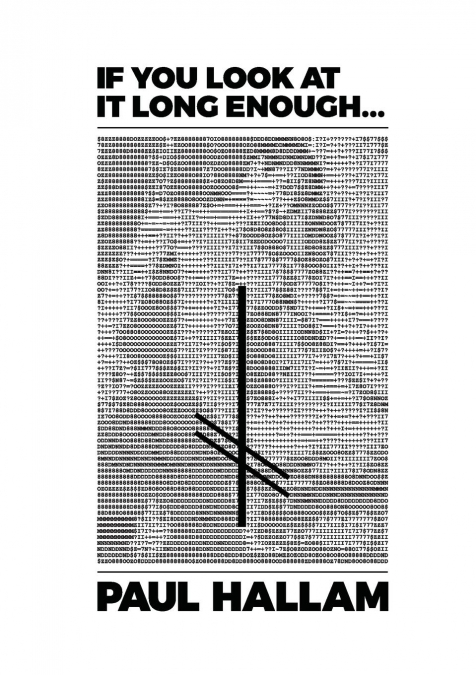
  • If you look at it long enough...
    Paul Hallam
    Originally written for an academic journal, If you look at it long enough... is primarily a personal account of Paul Hallam’s recollections of “self-abuse” through the consumption of porn over several decades. Challenging the familiar form of an “academic essay,” this autobiographical narrative raises several questions in relation to our contemporary morals related to sex in ge...
    Disponible

    11,30 €

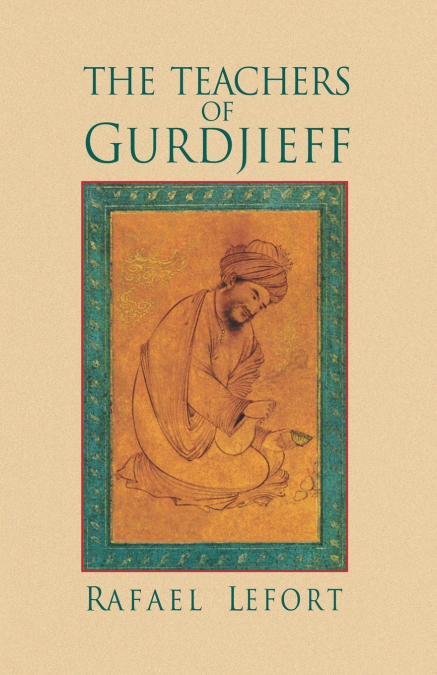
  • The Teachers of Gurdjieff
    Rafael Lafort / Rafael Lefort
    When The Teachers of Gurdjieff was first published more than 50 years ago, it made a considerable stir. George Ivanovich Gurdjieff had been one of the most famous mystics in the West in the first half of the 20th century - a teaching master who had many fashionable and influential pupils. He had a striking appearance and manner of teaching, and his teaching proved to be very in...
    Disponible

    20,45 €

  • Manifesto of the Communist Party
    Karl Marx
    The Communist Manifesto was first published on February 21, and it is one of the world’s most influential political tracts. Commissioned by the Communist League and written by communist theorists Karl Marx and Friedrich Engels, it laid out the League’s purposes and program. The Manifesto suggested a course of action for a proletarian (working class) revolution to overthrow the ...
  • The Art of Literature
    Arthur Schopenhauer
    Collected here are eight short essays, On Authorship, On Style, On the Study of Latin, On Men of Learning, On Thinking for Ones Self, On Criticism, On Reputation, On Genius, by the world renowned philosopher Arthur Achopenhauer. ...

Otros libros del autor

  • The conception of man in Platonic thought
    Eliomar Rodrigues Santos
    Since ancient times, man has questioned his presence in the world, so Plato presents his anthropological project, which introduces the theme of the immortality of the soul, and which underpins a large part of Platonic anthropology, and book IV of the Republic, highlighting the tripartition that Plato operates in the organisation of his Ideal State. After a historical approach t...
    Disponible

    41,51 €

  • La conception de l’homme dans la pensée platonicienne
    Eliomar Rodrigues Santos
    Dès l’Antiquité, l’homme s’est interrogé sur sa présence au monde. Platon présente donc son projet anthropologique, qui introduit le thème de l’immortalité de l’âme, et qui sous-tend une grande partie de l’anthropologie platonicienne, et le livre IV de la République, qui met en évidence la tripartition que Platon opère dans l’organisation de son État idéal. Après une approche h...
    Disponible

    41,51 €

  • La concezione dell’uomo nel pensiero platonico
    Eliomar Rodrigues Santos
    Fin dall’antichità l’uomo si è interrogato sulla sua presenza nel mondo, così Platone presenta il suo progetto antropologico, che introduce il tema dell’immortalità dell’anima e che è alla base di gran parte dell’antropologia platonica, e il libro IV della Repubblica, evidenziando la tripartizione che Platone opera nell’organizzazione del suo Stato ideale. Dopo un approccio sto...
    Disponible

    41,51 €