
Inicio > Humanidades > Historia > Danger’s Hour
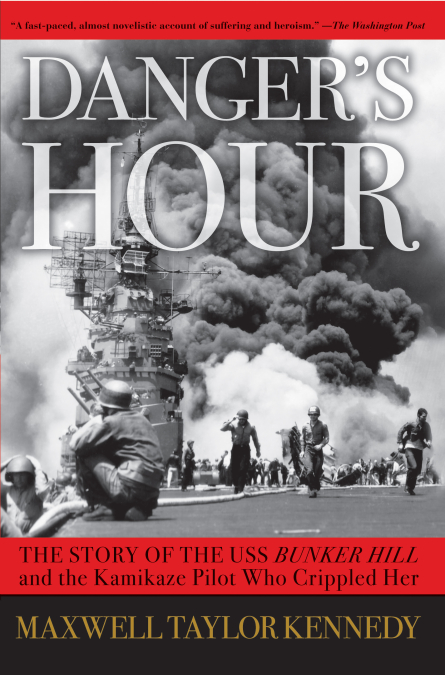
Danger’s Hour

Danger’s Hour

Maxwell Taylor Kennedy

26,47 €
IVA incluido
Disponible
Editorial:
Simon & Schuster
Año de edición:
2009
Materia
Historia
ISBN:
9780743260817
26,47 €
IVA incluido
Disponible

Selecciona una librería:

  • Librería Samer Atenea

  • Kálamo Books
  • Librería Elías (Asturias)
  • Librería Kolima (Madrid)
  • Librería Proteo (Málaga)

In the closing months of World War II, Americans found themselves facing a new and terrifying weapon: kamikazes -- the first men to use airplanes as suicide weapons. By the beginning of 1945, American pilots were shooting down Japanese planes more than ten to one. The Japanese had so few metals left that the military had begun using wooden coins and clay pots for hand grenades. For the first time in 800 years, Japan faced imminent invasion. As Germany faltered, the combined strength of every warring nation gathered at Japan’s door. Desperate, Japan turned to its most idealistic young men -- the best and brightest college students -- and demanded of them the greatest sacrifice. On the morning of May 11, 1945, days after the Nazi surrender, the USS Bunker Hill -- a magnificent vessel that held thousands of crewmen and the most sophisticated naval technology available -- was holding at the Pacific Theater, 70 miles off the coast of Okinawa. At precisely 9:58 a.m., Kiyoshi Ogawa radioed in to his base at Kanoya, 350 miles from the Bunker Hill, 'I found the enemy vessels.' After eighteen months of training, Kiyoshi tucked a comrade’s poem into his breast pocket and flew his Zero five hours across the Pacific. Now the young Japanese pilot had located his target and was on the verge of fulfilling his destiny. At 10:02.30 a.m., as he hovered above the Bunker Hill, hidden in a mass of clouds, Kiyoshi spoke his last words: 'Now, I am nose-diving into the ship.' The attack killed 393 Americans and was the worst suicide attack against America until September 11. Juxtaposing Kiyoshi’s story with the stories of untold heroism of the men aboard the Bunker Hill, Maxwell Taylor Kennedy details how American sailors and airmen worked together, risking their own lives to save their fellows and ultimately triumphing in their efforts to save their ship. Drawing on years of research and firsthand interviews with both American and Japanese survivors, Maxwell Taylor Kennedy draws a gripping portrait of men bravely serving their countries in war and the advent of a terrifying new weapon, suicide bombing, that nearly halted the most powerful nation in the world. 6
Artículos relacionados

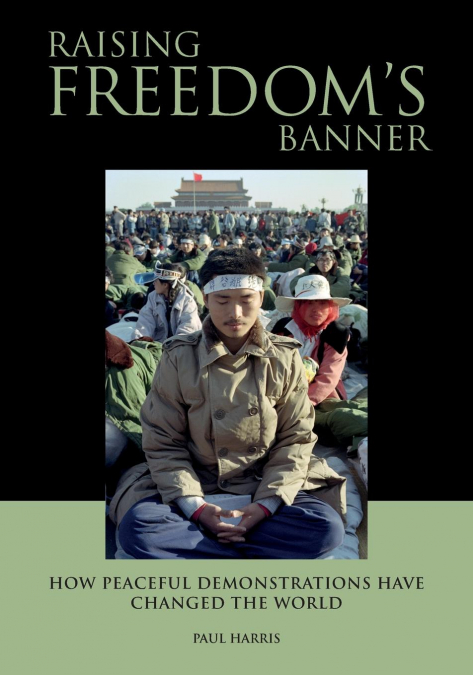
  • Raising Freedom's Banner
    Paul Harris
    World wide history of peaceful street demonstrations from their earliest beginning in eighteenth century England to their use throughout the world in the twenty-first century. Describes why some demonstration movements succeeded and others failed. Contrasts demonstrations within the law with civil disobedience demonstrations. Describes Peterloo, the Chartists, the Suffragettes,...
    Disponible

    23,59 €

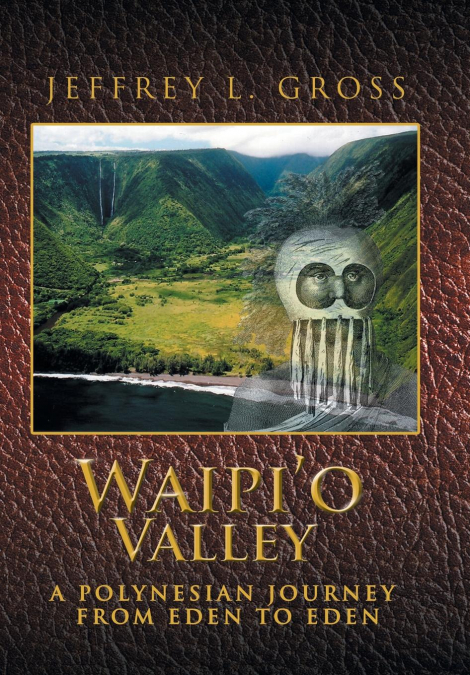
  • Waipi’o Valley
    Jeffrey L. Gross
    Waipi’o Valley: A Polynesian Journey from Eden to Eden recounts the remarkable migrations of the Polynesians across a third of the circumference of the earth. Their amazing journey began from Kalana i Hau’ola, the biblical “Garden of Eden” located along the shore of the Persian Gulf, extended to the Indus River Valley of ancient Vedic India, to Egypt where some ancestors of the...
  • Floralia
    June Rainsford Butler
    A century characterized by a growing interest in science, the opportunity for travel, and leisure for gardening furnishes the setting for Butler’s book. The rise of landscape gardening in England is traced, and the origin and history of its most famous gardens are given. The close relation between England and America in the field of horticulture is also discussed.Originally pub...
    Disponible

    61,20 €

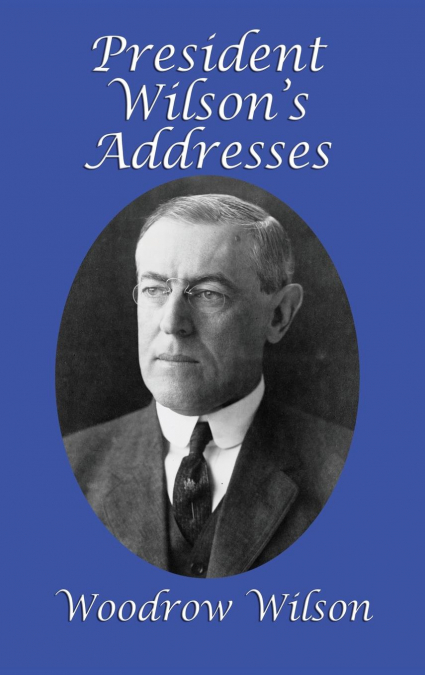
  • President Wilson’s Addresses
    Woodrow Wilson
    'These addresses of President Woodrow Wilson are almost entirely concerned with political affairs, and more specifically with defining Americanism. Yet they also show that even as he moved from academia to the heights of politics, Wilson retained something of the teacher’s interest in showing the relation between specific instances and the general forms of thought or action of ...
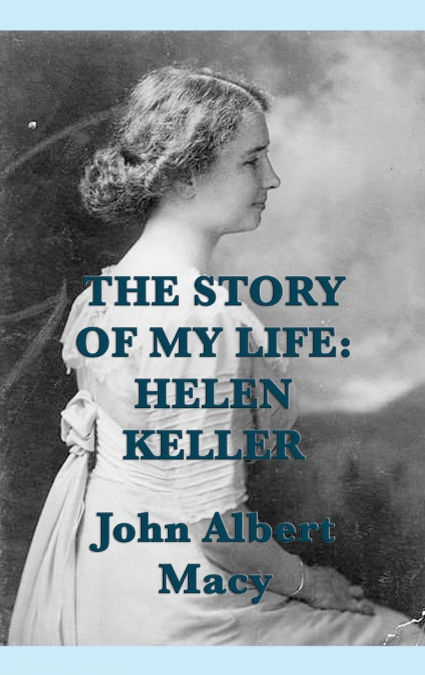
  • The Story of my Life
    John Albert Macy
    The Story of My Life, is Helen Keller’s autobiography detailing her early life, especially her experiences with Anne Sullivan. The book is dedicated to inventor Alexander Graham Bell. The dedication reads, 'To ALEXANDER GRAHAM BELL Who has taught the deaf to speak and enabled the listening ear to hear speech from the Atlantic to the Rockies, I dedicate this Story of My Life.' ...
  • The Story of My Life Vol. 6 Spanish Passions
    Giacomo Casanova
    Casanova was an Italian adventurer and author from the Republic of Venice. His autobiography, Histoire de ma vie (Story of My Life), is regarded as one of the most authentic sources of the customs and norms of European social life during the 18th century. He has become so famous for his often complicated and elaborate affairs with women that his name is now synonymous with 'wom...