 Librería Samer Atenea
 Kálamo Books
 Librería Elías (Asturias)
 Librería Kolima (Madrid)
 Librería Proteo (Málaga)
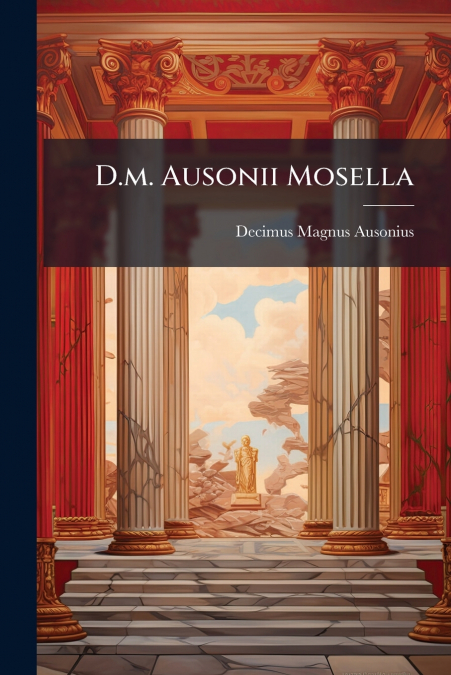
D.m. Ausonii Mosella, or La Moselle D’ausone, is a celebrated poem by the Roman poet Decimus Magnus Ausonius. Written in the late 4th century CE, the poem offers a vivid and detailed depiction of the Moselle River valley in Gaul (modern-day France). Ausonius masterfully blends classical poetic form with keen observations of the natural world, creating a work that is both aesthetically pleasing and historically significant. The poem captures the beauty of the landscape, describing the vineyards, villas, and bustling river traffic that characterized the region during Roman times. Ausonius’s personal reflections and appreciation for the land provide a unique glimpse into the life and culture of Roman Gaul. This edition presents the original Latin text alongside a French translation, making it accessible to a wider audience interested in classical literature and the history of the Moselle region. Readers will appreciate Ausonius’s elegant style and the enduring appeal of his subject matter.This work has been selected by scholars as being culturally important, and is part of the knowledge base of civilization as we know it. This work was reproduced from the original artifact, and remains as true to the original work as possible. Therefore, you will see the original copyright references, library stamps (as most of these works have been housed in our most important libraries around the world), and other notations in the work.This work is in the public domain in the United States of America, and possibly other nations. Within the United States, you may freely copy and distribute this work, as no entity (individual or corporate) has a copyright on the body of the work.As a reproduction of a historical artifact, this work may contain missing or blurred pages, poor pictures, errant marks, etc. Scholars believe, and we concur, that this work is important enough to be preserved, reproduced, and made generally available to the public. We appreciate your support of the preservation process, and thank you for being an important part of keeping this knowledge alive and relevant.