
Inicio > Humanidades > Filosofía > Ética y filosofía moral > Cultivating Virtue in the University
Cultivating Virtue in the University

Cultivating Virtue in the University

Jonathan Brant

127,92 €
IVA incluido
Consulta disponibilidad
Editorial:
Oxford University Press
Año de edición:
2022
Materia
Ética y filosofía moral
ISBN:
9780197599075

Selecciona una librería:

  • Librería Samer Atenea
  • Librería Aciertas (Toledo)
  • Kálamo Books
  • Librería Perelló (Valencia)
  • Librería Elías (Asturias)
  • Donde los libros
  • Librería Kolima (Madrid)
  • Librería Proteo (Málaga)

Across the globe, educators are grappling with how best to prepare a new generation to engage the challenges and opportunities of the twenty-first century. Along with knowledge and skills, many are now emphasizing the importance of character. Yet, while there has been a robust movement to educate character among children and adolescents, much less attention has been given to the ethical formation of college and university students. What is the role of colleges and universities in educating the character of students? Should universities even attempt to cultivate virtue? If so, how can they do so effectively in a pluralistic context? Cultivating Virtue in the University seeks to answer these questions by gathering diverse perspectives on character education within twenty-first century universities. With essays from some of the world’s leading scholars, this volume catalyzes a critical debate about the possibilities and limits of character education in the university while offering theoretical and practical perspectives on what such education could look like in increasingly global and intercultural institutions. By engaging insights from education, history, literature, philosophy, psychology, sociology, and theology, the volume encourages scholars and educators to embrace the opportunities and challenges of cultivating virtue in the university.
Artículos relacionados

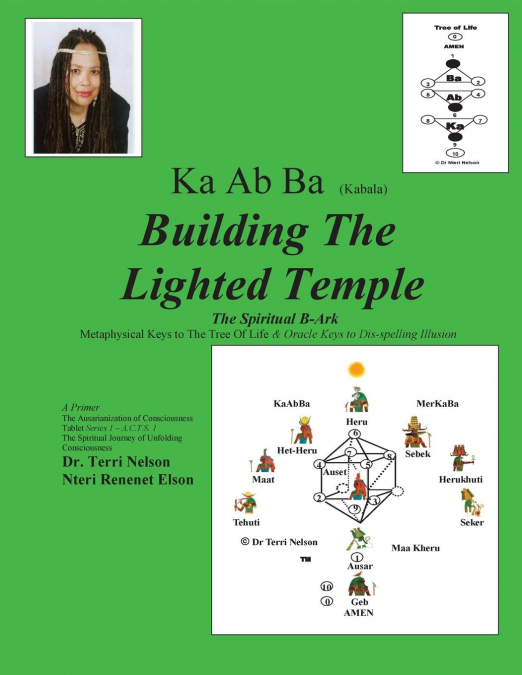
  • Ka Ab Ba Building The Lighted Temple
    Dr Terri R. Nelson / Dr Terri RNelson
    The book KaAbBa Building The Lighted Temple/Metaphysical Keys to the Tree of Life draws a circle that is inclusive of the Afrikan origin of the Ancient Kemetic/Egyptian wisdom. It reveals the undeniable root and link of Ancient Africa to all the religious systems that would develop worldwide. This book is explosive in its power to convey the meaning of KaAbBa, the Medu Neter  (...
    Disponible

    37,41 €

  • Technoethics and the Evolving Knowledge Society
    Rocci Luppicini
    Recently, there has been a major push to rediscover the ethical dimension of technology across the sciences, social sciences, and humanities. Technoethics and the Evolving Knowledge Society: Ethical Issues in Technological Design, Research, Development, and Innovation examines human processes and practices connected to technology embedded within social, political, and moral sph...
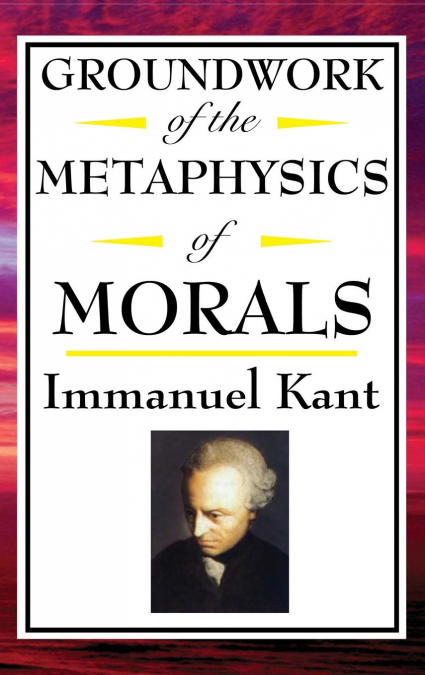
  • Kant
    Immanuel Kant
    Kant’s Groundwork of the Metaphysics of Morals is one of the most important works in modern moral philosophy. It belongs beside Plato, Aristotle, Machiavelli, and Hobbes. Here Kant sets out to articulate and defend the Categorical Imperative - the fundamental principle that underlies moral reasoning - and to lay the foundation for a comprehensive account of justice and human vi...
  • On the Duty of Civil Disobedience
    HENRY DAVID THOREAU
    Civil Disobedience argues that citizens should not permit their governments to overrule their consciences, and that they have a duty to avoid allowing their acquiescence to enable the government to make them the agents of injustice. Thoreau was motivated in part by his disgust with slavery and the Mexican-American War, but the sentiments he expresses here are just as pertinent ...
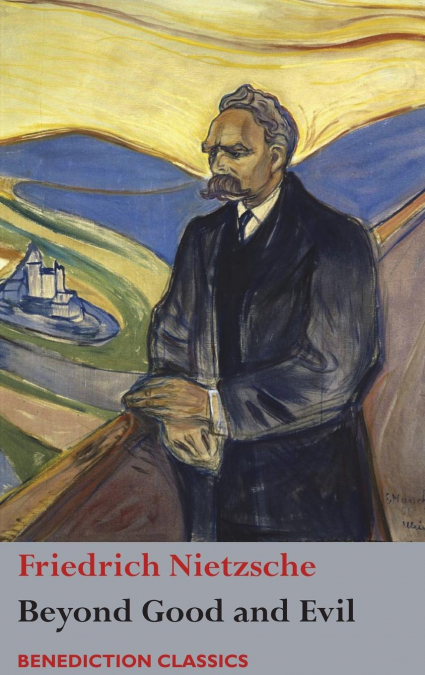
  • Beyond Good and Evil
    Friedrich Nietzsche
    Nietzsche, though primarily a philosopher, wrote widely on art, philology, history, religion, tragedy, culture, and science.  In 1886, at the height of his powers, he published Beyond Good and Evil.  Here he examines much of the best of human thought--dogmatic philosophy, Judeo-Christian morality, science and democracy – and finds it lacking.  Rejecting “slave-morality” he pres...
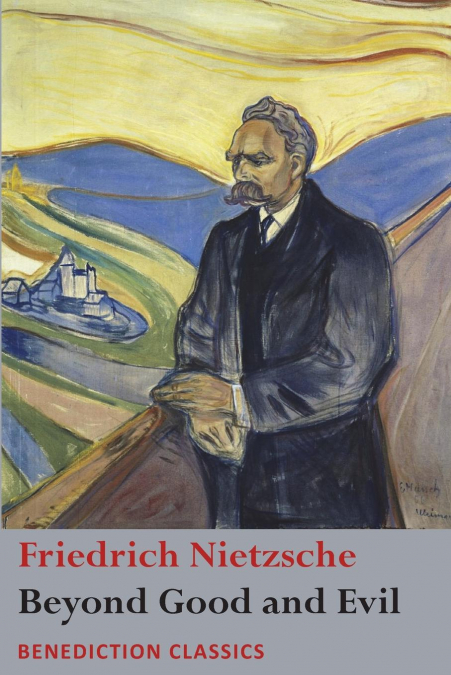
  • Beyond Good and Evil
    Friedrich Nietzsche
    Nietzsche, though primarily a philosopher, wrote widely on art, philology, history, religion, tragedy, culture, and science.  In 1886, at the height of his powers, he published Beyond Good and Evil.  Here he examines much of the best of human thought--dogmatic philosophy, Judeo-Christian morality, science and democracy – and finds it lacking.  Rejecting “slave-morality” he pres...
    Disponible

    9,99 €

Otros libros del autor

  • Paul Tillich and the Possibility of Revelation Through Film
    Jonathan Brant
    Since the birth of cinema at the end of the nineteenth century religion and film have been entwined. The Jesus-story and other religious narratives were the subject matter of some of the earliest cinema productions and this relationship has continued into the present. A recent proliferation of texts, conferences and courses bear witness to burgeoning academic interest in the re...