
Crypto for Thinkers

Crypto for Thinkers

Sameer Khalid

26,72 €
IVA incluido
Disponible
Editorial:
Alpha Editions
Año de edición:
2026
Materia
Ética y filosofía moral
ISBN:
9789374599051
26,72 €
IVA incluido
Disponible

Selecciona una librería:

  • Librería Samer Atenea
  • Kálamo Books
  • Librería Elías (Asturias)
  • Librería Kolima (Madrid)
  • Librería Proteo (Málaga)

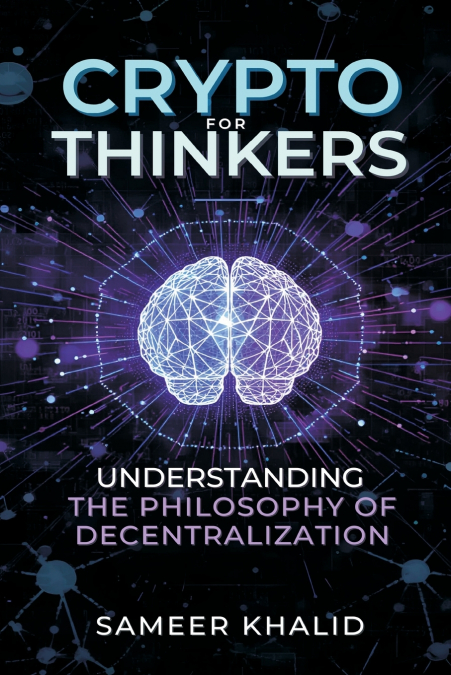
A world built on passwords and promises is breaking down. What replaces it is not another platform, but a different idea of trust: rules you can verify, freedoms you can keep, responsibilities you cannot outsource. This book is a clear, unsentimental guide to the moral stakes of crypto philosophy and decentralisation ethics-for readers who care less about price charts and more about power, privacy, and the shape of civic life.What is it about? A rigorous tour of trustless systems explained, from keys and wallets to DAOs and identity, showing where code outperforms institutions-and where it cannot. Why is it important? Because the fight between privacy and power will decide whether autonomy scales or collapses into new gatekeepers. Who is it for? Builders, policy thinkers, designers, and curious citizens who want governance in crypto without the hype.What will you gain?- A mental model for digital sovereignty that balances exit rights with accountability- A sober history of cypherpunk origins and how they still shape today’s design choices- Practical tests for legitimacy, from token incentives to the ethics of smart contracts- Language to argue the philosophy of blockchain in public without caricatureIf you want to know why decentralisation matters-and when it doesn’t-this is your map. It will not flatter your priors. It will sharpen them.once needed a mint; now it needs a protocol. In a world of programmable money and decentralised currency, the real question is not which token will moon-but who will write the rules that touch every payment, wage, and tax you make.
Artículos relacionados

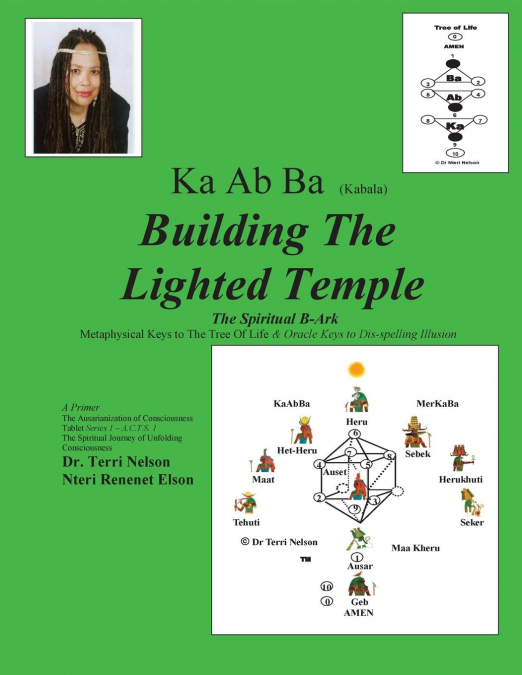
  • Ka Ab Ba Building The Lighted Temple
    Dr Terri R. Nelson / Dr Terri RNelson
    The book KaAbBa Building The Lighted Temple/Metaphysical Keys to the Tree of Life draws a circle that is inclusive of the Afrikan origin of the Ancient Kemetic/Egyptian wisdom. It reveals the undeniable root and link of Ancient Africa to all the religious systems that would develop worldwide. This book is explosive in its power to convey the meaning of KaAbBa, the Medu Neter  (...
    Disponible

    37,41 €

  • Technoethics and the Evolving Knowledge Society
    Rocci Luppicini
    Recently, there has been a major push to rediscover the ethical dimension of technology across the sciences, social sciences, and humanities. Technoethics and the Evolving Knowledge Society: Ethical Issues in Technological Design, Research, Development, and Innovation examines human processes and practices connected to technology embedded within social, political, and moral sph...
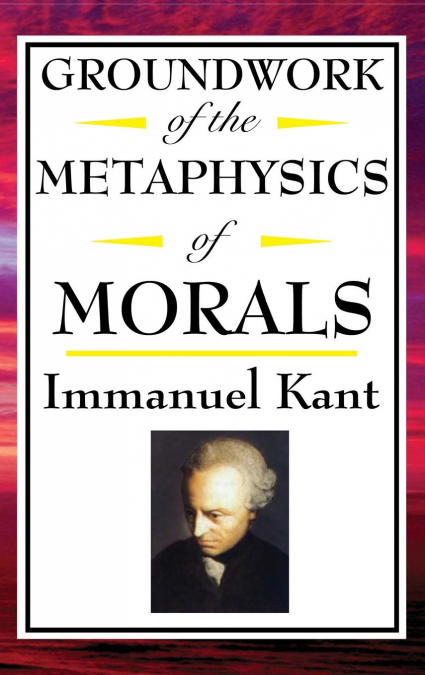
  • Kant
    Immanuel Kant
    Kant’s Groundwork of the Metaphysics of Morals is one of the most important works in modern moral philosophy. It belongs beside Plato, Aristotle, Machiavelli, and Hobbes. Here Kant sets out to articulate and defend the Categorical Imperative - the fundamental principle that underlies moral reasoning - and to lay the foundation for a comprehensive account of justice and human vi...
  • On the Duty of Civil Disobedience
    HENRY DAVID THOREAU
    Civil Disobedience argues that citizens should not permit their governments to overrule their consciences, and that they have a duty to avoid allowing their acquiescence to enable the government to make them the agents of injustice. Thoreau was motivated in part by his disgust with slavery and the Mexican-American War, but the sentiments he expresses here are just as pertinent ...
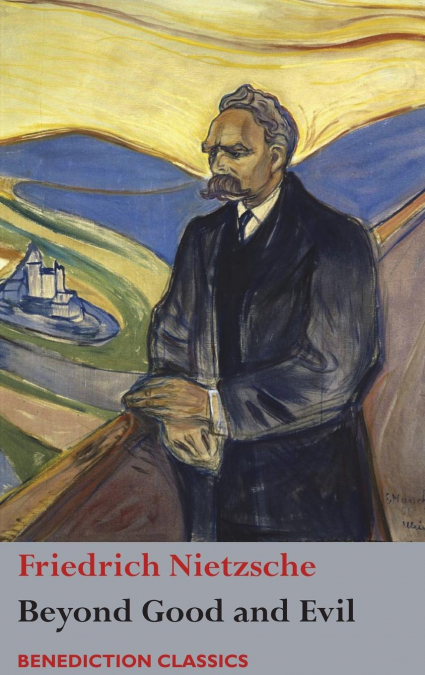
  • Beyond Good and Evil
    Friedrich Nietzsche
    Nietzsche, though primarily a philosopher, wrote widely on art, philology, history, religion, tragedy, culture, and science.  In 1886, at the height of his powers, he published Beyond Good and Evil.  Here he examines much of the best of human thought--dogmatic philosophy, Judeo-Christian morality, science and democracy – and finds it lacking.  Rejecting “slave-morality” he pres...
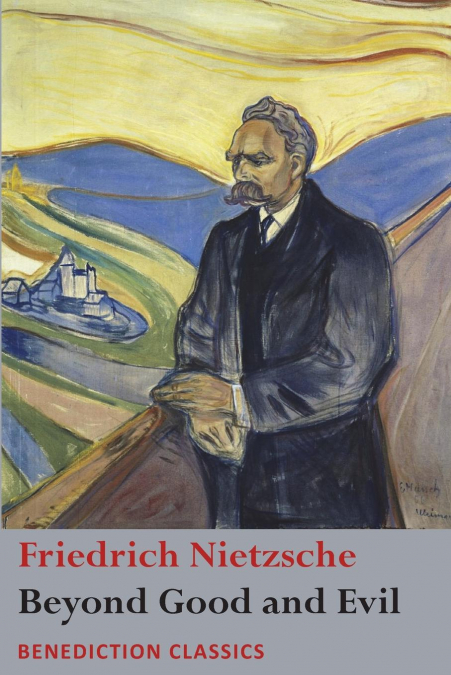
  • Beyond Good and Evil
    Friedrich Nietzsche
    Nietzsche, though primarily a philosopher, wrote widely on art, philology, history, religion, tragedy, culture, and science.  In 1886, at the height of his powers, he published Beyond Good and Evil.  Here he examines much of the best of human thought--dogmatic philosophy, Judeo-Christian morality, science and democracy – and finds it lacking.  Rejecting “slave-morality” he pres...
    Disponible

    9,99 €

Otros libros del autor

  • Eat for Immunity
    Sameer Khalid
    Your body doesn’t need a miracle supplement. It needs a terrain it can trust. This book turns everyday meals into a steady defence-clear, doable steps that help you get sick less often and recover faster.You’ll learn how the immune system actually works in the real world-barriers, sentinels, signals, memory-and why kitchen choices matter more than hype. With simple plans and re...
    Disponible

    25,82 €

  • The KPI Handbook
    Sameer Khalid
    You have numbers everywhere, yet the work still feels blind. Meetings circle the same updates, dashboards get prettier, and decisions arrive late. This book offers a sharper promise: a small set of numbers that change behaviour next week.It shows how to choose a single **north star metric** and a handful of controllable inputs, then build a weekly rhythm where numbers trigger a...
    Disponible

    29,33 €

  • The Great Resource Race
    Sameer Khalid
    When the world runs hot, power flows to whoever controls the tap. This book shows how governments and companies are quietly competing to command resource geopolitics-the flows of water, food, minerals, and energy that keep societies alive. It explains why headlines about petrostate politics or resource nationalism are really stories about chokepoints, substitutability, and time...
    Disponible

    31,62 €

  • The Great Resource Race
    Sameer Khalid
    When the world runs hot, power flows to whoever controls the tap. This book shows how governments and companies are quietly competing to command resource geopolitics-the flows of water, food, minerals, and energy that keep societies alive. It explains why headlines about petrostate politics or resource nationalism are really stories about chokepoints, substitutability, and time...