Inicio > > Seguridad informática > Cross-Industry Applications of Cyber Security Frameworks
Cross-Industry Applications of Cyber Security Frameworks

Cross-Industry Applications of Cyber Security Frameworks


248,59 €
IVA incluido
Disponible
Editorial:
IGI Global
Año de edición:
2022
Materia
Seguridad informática
ISBN:
9781668434499
248,59 €
IVA incluido
Disponible

Selecciona una librería:

  • Librería Samer Atenea
  • Librería Aciertas (Toledo)
  • Kálamo Books
  • Librería Perelló (Valencia)
  • Librería Elías (Asturias)
  • Donde los libros
  • Librería Kolima (Madrid)
  • Librería Proteo (Málaga)

Data is the most important commodity, which is why data protection has become a global priority. Data breaches and security flaws can jeopardize the global economy. Organizations face a greater risk of failing to achieve strategy and business goals as cyber threat behavior grows in frequency, sophistication, and destructiveness. A breach can result in data loss, business interruption, brand and reputation harm, as well as regulatory and legal consequences. A company needs a well-thought-out cybersecurity strategy to secure its critical infrastructure and information systems in order to overcome these challenges. Cross-Industry Applications of Cyber Security Frameworks provides an understanding of the specific, standards-based security controls that make up a best practice cybersecurity program. It is equipped with cross-industry applications of cybersecurity frameworks, best practices for common practices, and suggestions that may be highly relevant or appropriate in every case. Covering topics such as legal frameworks, cybersecurity in FinTech, and open banking, this premier reference source is an essential resource for executives, business leaders, managers, entrepreneurs, IT professionals, government officials, hospital administrators, educational administrators, privacy specialists, researchers, and academicians.


Artículos relacionados

  • Technological Change and the British Iron Industry, 1700-1870
    Charles K. Hyde
    This book describes technological change in an industry that played a central role in the Indsutrial Revolution. While earlier scholars have examined isolated aspects of ironmaking in the eighteenth- and nineteenth-century Britain, Charles Hyde surveys all aspects of its development. Costs, prices, profits, shrewd leaders, competition, new inventions, and productivity all figur...
    Disponible

    71,94 €

  • Corporate Governance in Asia
    ...
    Disponible

    72,99 €

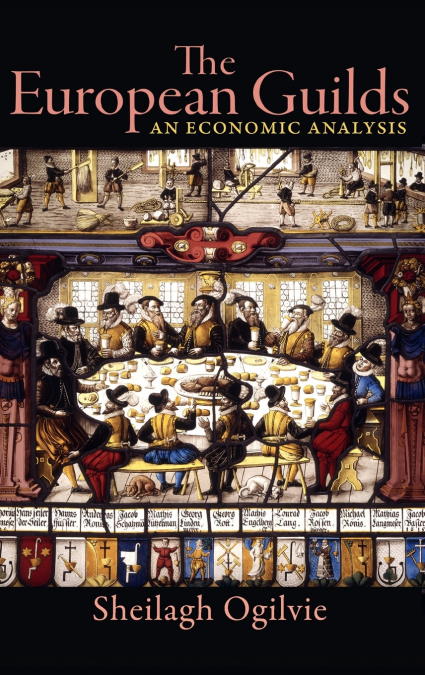
  • The European Guilds
    Sheilagh Ogilvie
    A comprehensive analysis of European craft guilds through eight centuries of economic historyGuilds ruled many crafts and trades from the Middle Ages to the Industrial Revolution, and have always attracted debate and controversy. They were sometimes viewed as efficient institutions that guaranteed quality and skills. But they also excluded competitors, manipulated markets, and ...
  • Technological Change and the British Iron Industry, 1700-1870
    Charles K. Hyde
    This book describes technological change in an industry that played a central role in the Indsutrial Revolution. While earlier scholars have examined isolated aspects of ironmaking in the eighteenth- and nineteenth-century Britain, Charles Hyde surveys all aspects of its development. Costs, prices, profits, shrewd leaders, competition, new inventions, and productivity all figur...
  • Technology Differences over Space and Time
    Francesco Caselli
    Technology Differences over Space and Time looks at how countries use their productive resources-such as workers, skills, equipment and structures, and natural resources. Francesco Caselli develops methods to assess the efficiency with which productive inputs are used, and how these efficiencies vary across countries and over time.Caselli finds that richer countries use skilled...
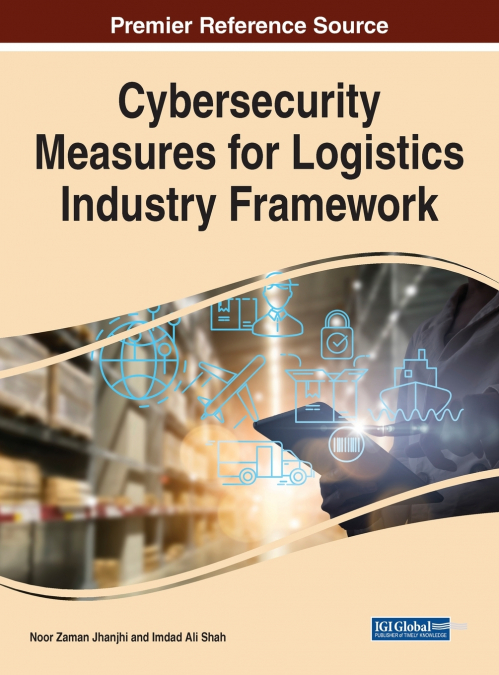
  • Cybersecurity Measures for Logistics Industry Framework
    Global supply chains are becoming more customer-centric and sustainable thanks to next-generation logistics management technologies. Automating logistics procedures greatly increases the productivity and efficiency of the workflow. There is a need, however, to create flexible and dynamic relationships among numerous stakeholders and the transparency and traceability of the supp...