AA.VV
 Librería Samer Atenea
 Kálamo Books
 Librería Elías (Asturias)
 Librería Kolima (Madrid)
 Librería Proteo (Málaga)
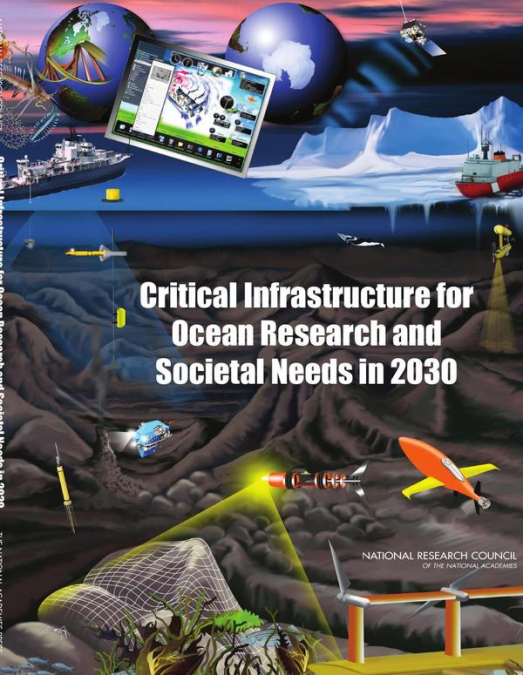
The United States has jurisdiction over 3.4 million square miles of ocean in its exclusive economic zone, a size exceeding the combined land area of the 50 states. This expansive marine area represents a prime national domain for activities such as maritime transportation, national security, energy and mineral extraction, fisheries and aquaculture, and tourism and recreation. However, it also carries with it the threat of damaging and outbreaks of waterborne pathogens. The 2010 Gulf of Mexico Deepwater Horizon oil spill and the 2011 Japanese earthquake and tsunami are vivid reminders that ocean activities and processes have direct human implications both nationally and worldwide, understanding of the ocean system is still incomplete, and ocean research infrastructure is needed to support both fundamental research and societal priorities. Given current struggles to maintain, operate, and upgrade major infrastructure elements while maintaining a robust research portfolio, a strategic plan is needed for future investments to ensure that new facilities provide the greatest value, least redundancy, and highest efficiency in terms of operation and flexibility to incorporate new technological advances. Critical Infrastructure for Ocean Research and Societal Needs in 2030 identifies major research questions anticipated to be at the forefront of ocean science in 2030 based on national and international assessments, input from the worldwide scientific community, and ongoing research planning activities. This report defines categories of infrastructure that should be included in planning for the nation’s ocean research infrastructure of 2030 and that will be required to answer the major research questions of the future. Critical Infrastructure for Ocean Research and Societal Needs in 2030 provides advice on the criteria and processes that could be used to set priorities for the development of new ocean infrastructure or replacement of existing facilities. In addition, this report recommends ways in which the federal agencies can maximize the value of investments in ocean infrastructure.