Crítica de la razón pura

Crítica de la razón pura

Immanuel Kant

0,00 €
IVA incluido
Consulta disponibilidad
Editorial:
Muze Publications
Año de edición:
2026
Materia
Filosofía: metafísica y ontología
ISBN:
9781808004780

Selecciona una librería:

  • Librería Samer Atenea

  • Kálamo Books
  • Librería Elías (Asturias)
  • Librería Kolima (Madrid)
  • Librería Proteo (Málaga)

¿Y si conocer el mundo dependiera tanto de la mente como del mundo mismo? Kant pregunta qué hace posible el entendimiento humano y dónde termina su autoridad.Publicada por primera vez en 1781, Crítica de la razón pura investiga los fundamentos y los límites del conocimiento. Kant sostiene que el conocimiento comienza con la experiencia, pero no surge únicamente de ella: la mente aporta las formas y los conceptos que hacen inteligible la experiencia. El espacio, el tiempo y la causalidad son centrales en una indagación sobre cómo experimentamos los objetos y qué podemos afirmar justificadamente que conocemos.En respuesta a las afirmaciones contrapuestas del racionalismo y el empirismo, Kant distingue las cosas tal como se nos aparecen de las cosas tal como son en sí mismas. Su filosofía crítica también examina qué ocurre cuando la razón va más allá de la experiencia posible y formula afirmaciones sobre el alma, el universo y Dios. Su fuerza perdurable reside en el desafío que plantea tanto a la especulación confiada como al escepticismo absoluto: antes de decidir qué debe ser la realidad, debemos preguntarnos cómo es posible el conocimiento.En estas páginas encontrará:Idealismo trascendental: Kant explora el papel de la mente en la configuración del mundo tal como lo experimentamos.Espacio y tiempo: se examinan como formas de la intuición humana, en lugar de propiedades que puedan conocerse independientemente de la experiencia.Categorías del entendimiento: conceptos como la causalidad ayudan a explicar cómo las percepciones se convierten en conocimiento de los objetos.Apariencias y cosas en sí mismas: una distinción fundamental establece límites para las afirmaciones sobre la realidad.Los conflictos de la razón: las antinomias revelan cómo los argumentos sobre el universo pueden conducir a conclusiones opuestas.Esta obra atraerá a estudiantes de filosofía, a lectores interesados en los fundamentos de la ciencia y el conocimiento, y a quienes estén dispuestos a afrontar un desafío intelectual sostenido. Recompensa la atención paciente con un examen profundo de los poderes y los límites del pensamiento.Inicie una indagación que no solo pregunta qué sabe, sino qué hace posible el conocimiento. 10
Artículos relacionados

  • Formas tradicionales y ciclos cósmicos
    René Guénon
    Los artículos reunidos en el presente libro representan acaso el aspecto más "original" -también el más desconcertante para muchos lectores- de la obra de René Guénon. Se le hubiera podido dar el título Fragmentos de una historia desconocida, pero de una historia que engloba protohistoria y prehistoria por cuanto empieza con la Tradición primordial contemporánea de los comienzo...
    Disponible

    26,21 €

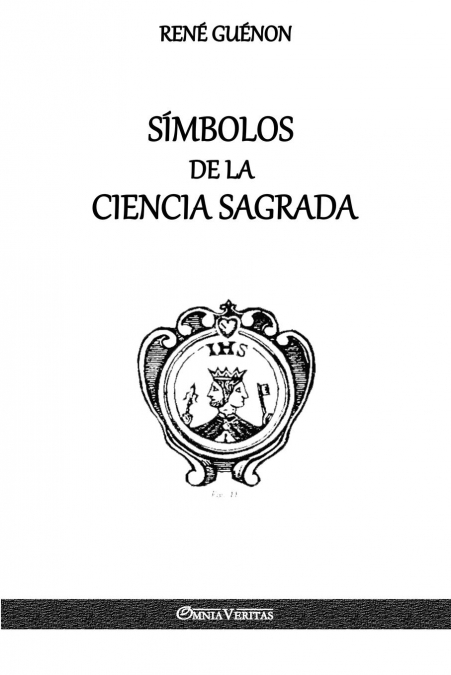
  • Símbolos de la Ciencia Sagrada
    René Guénon
    La civilización moderna aparece en la historia como una verdadera anomalía: de todas las que conocemos, es la única que se haya desarrollado en un sentido puramente material, la única también que no se apoye en ningún principio de orden superior. Este desarrollo material, que continúa desde hace ya varios siglos y que va acelerándose de más en más, ha sido acompañado de una reg...
    Disponible

    35,20 €

  • How to Master Your Karma
    Lynn Wylnn
    What is your karma? Wonder why you are here and where you are going? Want to live a prosperous life? This practical guide will reveal your karma and teach you how to Soul Walk. Soul Walking will present you with your karma, show you ways to correct it, and then teach you how to find the treasures of life so that you might use them to prosper and become successful. Follow the st...
    Disponible

    15,26 €

  • Unfinished
    John W. Galler
    What if the majority of society simultaneously withdrew their cash and investments globally, and stopped working to collapse imperialist insanity? This would actually force the much needed attention and urgency to decide what we could become next.At some point, we have to evolve as a species. Should we still insist on the current chaos that we can’t seem to escape, we could all...
    Disponible

    22,33 €

  • Wittgenstein and Modern Philosophy
    Justus Hartnack
    Justus Hartnack offers a concise and clear introduction to Wittgenstein and traces the influence of these works in the schools of logical positivism and analytical philosophy. A philosopher as great and at the same time as difficult as Wittgenstein has been the subject of innumerable studies, and universal agreement on how to interpret him cannot be expected. This is true of al...

Otros libros del autor

  • Kant
    Immanuel Kant
    Kant’s Groundwork of the Metaphysics of Morals is one of the most important works in modern moral philosophy. It belongs beside Plato, Aristotle, Machiavelli, and Hobbes. Here Kant sets out to articulate and defend the Categorical Imperative - the fundamental principle that underlies moral reasoning - and to lay the foundation for a comprehensive account of justice and human vi...
  • Perpetual Peace: A Philosophical Essay
    Immanuel Kant
    Peace is more than the pause between wars. What would it take to make it a lasting condition of life between nations?In Perpetual Peace: A Philosophical Essay, published in 1795, Immanuel Kant turns that question into a searching argument about government, law, and moral responsibility. Writing amid European revolution and conflict, he asks how states might move beyond fragile ...
  • Kant’s Prolegomena to Any Future Metaphysics
    Immanuel Kant
    What can we truly know—and what do we merely suppose? Kant turns that question into a searching inquiry into the powers and limits of human reason.Published in 1783, Kant’s Prolegomena to Any Future Metaphysics offers a shorter approach to the central questions of Critique of Pure Reason. Rather than simply asking what reality is, Kant asks how knowledge of it becomes possible....
  • Kant’s Prolegomena to Any Future Metaphysics: Large Print
    Immanuel Kant
    What can we truly know—and what do we merely suppose? Kant turns that question into a searching inquiry into the powers and limits of human reason.Published in 1783, Kant’s Prolegomena to Any Future Metaphysics offers a shorter approach to the central questions of Critique of Pure Reason. Rather than simply asking what reality is, Kant asks how knowledge of it becomes possible....
  • Critique of Pure Reason
    Immanuel Kant
    'Critique of Pure Reason' by Immanuel Kant is a foundational work of philosophy that radically redefines how we understand knowledge, reality, and the limits of human reason.First published in 1781, Kant investigates how our minds shape experiences, introducing the concept that space and time are not properties of the external world, but forms of human intuition. He distinguish...
    Disponible

    33,54 €

  • Critique of Judgement
    Immanuel Kant
    Immanuel Kant’s influential philosophical treatise Critique of Judgement, originally published in 1790, constituting Kant’s major contributions to the fields of aesthetics and teleology. Critique of Judgement is the third of Kant’s critiques and is divided into two main sections: the Critique of Aesthetic Judgment and the Critique of Teleological Judgment, and also includes a l...
    Disponible

    25,43 €