Inicio > Humanidades > Historia > Historia regional y nacional > Historia de otras regiones > Crisis of Religious Toleration in Imperial Russia
Crisis of Religious Toleration in Imperial Russia

Crisis of Religious Toleration in Imperial Russia

Thomas Marsden

193,26 €
IVA incluido
Consulta disponibilidad
Editorial:
Oxford University Press
Año de edición:
2015
Materia
Historia de otras regiones
ISBN:
9780198746362

Selecciona una librería:

  • Librería Samer Atenea
  • Librería Aciertas (Toledo)
  • Kálamo Books
  • Librería Perelló (Valencia)
  • Librería Elías (Asturias)
  • Donde los libros
  • Librería Kolima (Madrid)
  • Librería Proteo (Málaga)

This book is about an unprecedented attempt by the government of Russia’s Tsar Nicholas I (1825-1855) to eradicate what was seen as one of the greatest threats to its political security: the religious dissent of the Old Believers. The Old Believers had long been reviled by the ruling Orthodox Church, for they were the largest group of Russian dissenters and claimed to be the guardians of true Orthodoxy; however, their industrious communities and strict morality meant that the civil authorities often regarded them favourably. This changed in the 1840s and 1850s when a series of remarkable cases demonstrated that the existing restrictions upon the dissenters’ religious freedoms could not suppress their capacity for independent organisation. Finding itself at a crossroads between granting full toleration, or returning to the fierce persecution of earlier centuries, the tsarist government increasingly inclined towards the latter course, culminating in a top secret ’system’ introduced in 1853 by the Minister of Internal Affairs Dmitrii Bibikov. The operation of this system was the high point of religious persecution in the last 150 years of the tsarist regime: it dissolved the Old Believers’ religious gatherings, denied them civil rights, and repressed their leading figures as state criminals. It also constituted an extraordinary experiment in government, instituted to deal with a temporary emergency. Paradoxically the architects of this system were not churchmen or reactionaries, but representatives of the most progressive factions of Nicholas’s bureaucracy. Their abandonment of religious toleration on grounds of political intolerability reflected their nationalist concerns for the future development of a rapidly changing Russia. The system lasted only until Nicholas’s death in 1855; however, the story of its origins, operation, and collapse, told for the first time in this study, throws new light on the religious and political identity of the autocratic regime and on the complexity of the problems it faced.

Artículos relacionados

  • Negotiating the NWT Devolution of Lands & Resources
    Hal J. Gerein / Hal JGerein
    In this story, the author is the GNWT's Chief Negotiator for the devolution of lands and resources from Canada. Devolution means the transfer of authority from a senior level of government to a junior level. Many national governments today areinvolved with devolution as a means to "subsidiarity", the principle that politicalpower should be exercised by the least central or ...
    Disponible

    44,75 €

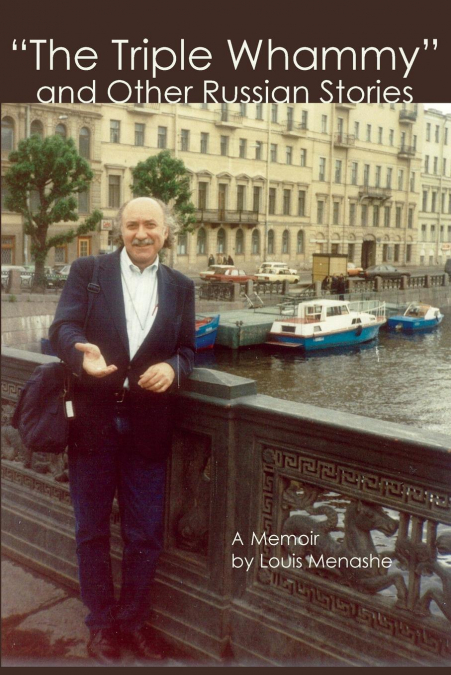
  • 'THE TRIPLE WHAMMY' AND OTHER RUSSIAN STORIES
    Louis Menashe
    A captivating lifetime of personal and professional experiences by an American historian, film specialist and documentary filmmaker in the Soviet Union and post-Soviet Russia. The author’s experiences as a radical in the turbulent 1960s, and his eventual disenchantment offer some precedents and perspectives to all those on the Left, Center or Right interested in the fluctuation...
    Disponible

    26,31 €

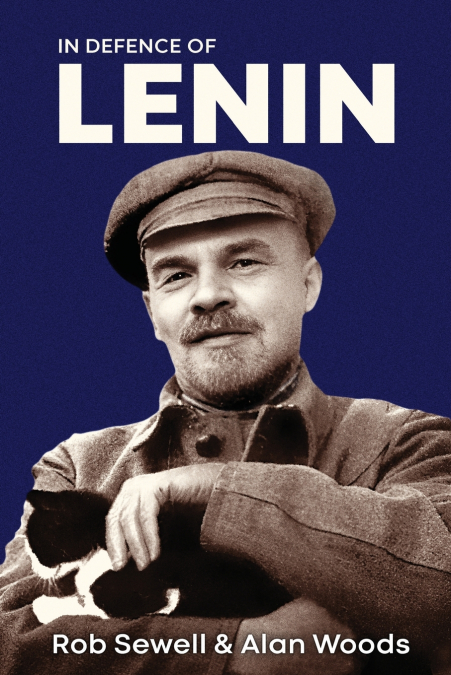
  • In Defence of Lenin
    Alan Woods / Rob Sewell
    John Reed, the author of Ten Days that Shook the World, once said that Lenin was the most loved and the most hated person alive. He was loved by tens of millions who wanted to change society, but hated by the ruling class and their apologists.As the creator of the Bolshevik Party and leader of the Russian Revolution, Lenin was a man who changed the world and translated the idea...
    Disponible

    23,85 €

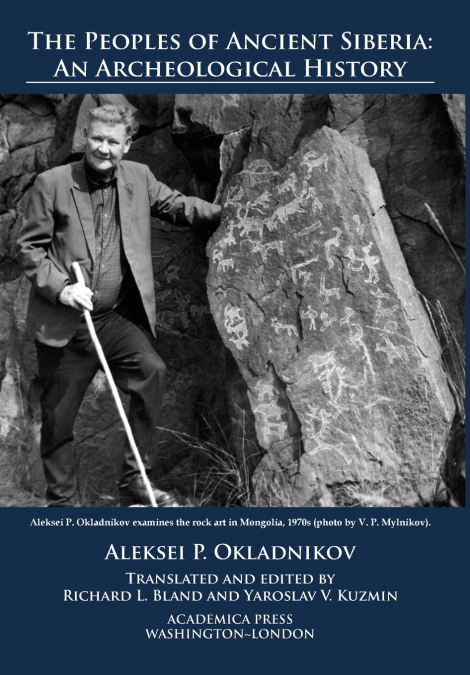
  • The peoples of Ancient Siberia
    Aleksei P Okladnikov / Richard L Bland
    Foreword: Elena A. Okladnikova, Herzen University, St. Petersburg (Russia), Deputy Director for Museum Work at the Peter the Great Museum of Anthropology and Ethnography (Kunstkamera)Translators: Richard L. Bland, Archeologist (retired), U.S. National Park Service, Heritage Research Associates, University of Oregon Museum of Natural and Cultural History; Yaroslav V. Kuzmin, Ins...
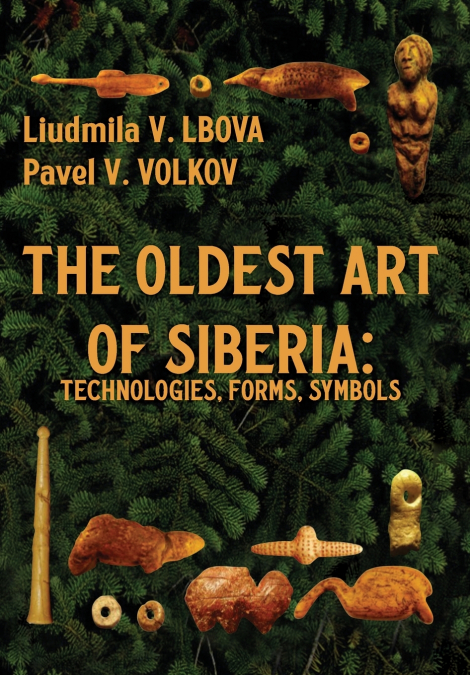
  • The Oldest Art of Siberia
    Liudmila V Lbova / Pavel V Volkov / Richard L Bland
    Primitive art is inseparable from primitive consciousness and can be correctly understood only with the correct socio-cultural context. This book examines the ancient art of Siberia as part of the integral whole of ancient society. ...
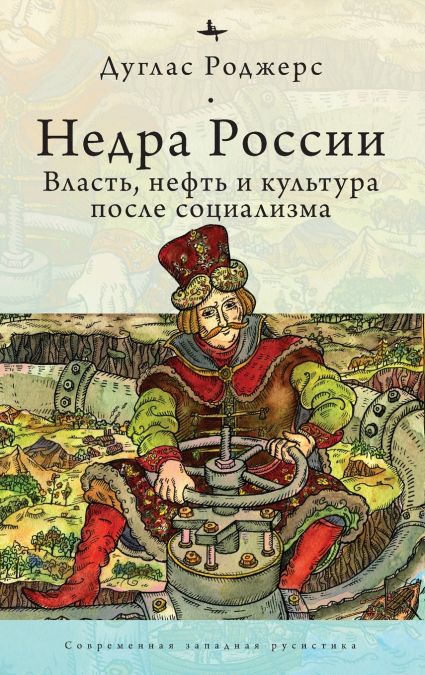
  • The Depths of Russia
    Douglas Rogers / Polina Shubina
    In The Depths of Russia, Yale anthropologist and historian Douglas Rogers tells the history of Russian oil from the perspective of the Perm region of the Urals. From the discovery of world’s first socialist oil in 1929 to the oil-fueled social and cultural politics of the 2000s, he shows how Permian oil illuminates the place of oil in the modern world in new ways. Rogers pays p...

Otros libros del autor

  • Chwech Ar Hugain O Bregethau
    Thomas Marsden
    Mae’r llyfr hwn, Chwech Ar Hugain O Bregethau: Ar Destynau Pwysig (1838) gan Marsden, Thomas, yn cynnwys chwech ar hugain o bregethau ar destynau pwysig. Mae’r llyfr yn cynnwys cyfieithiadau o bregethau a roddwyd gan y diweddar Barchedig Thomas Marsden, sydd wedi cael eu hethol yn un o bregethwyr enwocaf Cymru. Mae’r bregethau yn ymwneud ����� chwestiynau o bwysigrwydd enfawr, ...
    Disponible

    37,54 €